Iran War Erupts: US, Israel Bomb Iran, Leader Killed
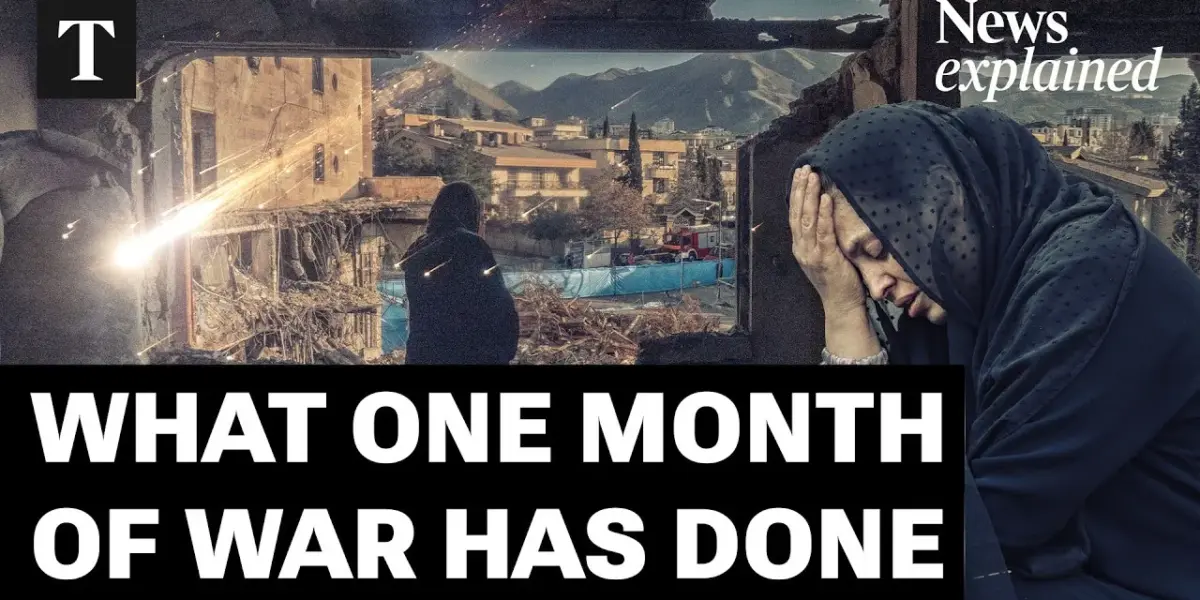
A swift and deadly conflict erupted between the US, Israel, and Iran, beginning with major aerial bombardments and resulting in the death of Iran's Supreme Leader. The war saw regional escalation, including attacks on US installations and a ground invasion in Lebanon, causing widespread disruption and a soaring death toll. Despite talk of peace, both sides ultimately claimed victory, leaving the region in a precarious state.

US, Israel Launch Major Strikes on Iran
The United States and Israel launched a significant aerial bombardment on Iran on February 28th. President Trump stated the operation’s goal was to destroy Iran’s military capabilities and end its nuclear ambitions. “We are going to destroy their missiles and raise their missile industry to the ground,” Trump announced. “It will be totally again obliterated.” The attack marked the beginning of a new and volatile chapter in regional tensions.
Iran Retaliates, Supreme Leader Dies
Iran’s Islamic Revolutionary Guard Corps (IRGC) responded quickly with a counterattack. They launched drones and missiles targeting civilian areas in Israel. Within the first 24 hours of the conflict, Iranian state media reported the death of Ayatollah Ali Khamenei, Iran’s Supreme Leader. US and Israeli airstrikes had hit Khamenei’s central compound, leading to his demise. This sudden loss of leadership added a dramatic twist to the unfolding crisis.
Regional Conflict Widens
The conflict quickly expanded beyond initial strikes. Iran began attacking US military installations in the Persian Gulf. These actions caused major disruptions to air travel throughout the region. Israel and the United Arab Emirates were forced to close their airspace to manage the danger. Hezbollah, a powerful Iran-backed group based in southern Lebanon, also joined the fight. They launched attacks against Israel, further escalating the situation.
Israel Strikes Hezbollah, Ground Invasion Begins
Israel responded forcefully to Hezbollah’s attacks. They unleashed a wave of missile and drone strikes on Hezbollah-controlled suburbs of Beirut, Lebanon. The situation then intensified as Israel launched a ground operation into Lebanon. The combined military actions led to a rising death toll across the region. Fears of a prolonged and wider regional war began to grow among international observers.
New Leader Emerges Amidst Global Disruption
On March 8th, Iran elected a new supreme leader: Morteza Khamenei, the son of the recently deceased Ayatollah Ali Khamenei. Iranian state media showed large crowds in several cities expressing support for the new leader. Simultaneously, global markets reacted sharply to the conflict. The IRGC closed the Strait of Hormuz, a vital shipping lane in the Persian Gulf. This move caused oil prices to soar worldwide, highlighting the war’s significant economic impact.
Energy Facilities Targeted, Peace Talks Emerge
As the war entered its fourth week, the conflict continued to intensify. Energy facilities across the Middle East were hit, further impacting global supply. Amidst the ongoing destruction, discussions about potential negotiations began. President Trump indicated a meeting was imminent. “We’ll at some point very, very soon meet,” he stated. “We’re doing a five-day period. We’ll see how that goes. And if it goes well, we’re going to end up with settling this.”
Strait of Hormuz Reopens Under Conditions
Iran informed the United Nations Security Council and the International Maritime Organization that non-hostile vessels could pass through the Strait of Hormuz. However, this passage required coordination with Iranian authorities. Meanwhile, the US presented a 15-point plan to end the war. This proposal included strict limits on Iran’s nuclear program and the reopening of the strait. But Iran rejected the US offer, insisting on maintaining its nuclear program and demanding the removal of all sanctions.
War Ends in Stalemate, Both Sides Claim Victory
An Iranian military spokesperson openly mocked the US ceasefire proposal. The death toll from the conflict surpassed 1,500 in Iran and 1,000 in Lebanon. President Trump suggested the war was nearing its end and submitted his plan to Iranian officials. However, Iran’s statements contradicted his claims. Both Washington and Tehran ultimately claimed victory in the war. The situation leaves lingering questions about how much either side is truly willing to compromise moving forward.
What’s Next?
The immediate aftermath of the 30-day conflict sees a region grappling with loss and uncertainty. The stated goals of the US and its allies remain unclear, particularly regarding Iran’s nuclear program. The future of the Strait of Hormuz and its impact on global energy markets will be closely watched. International efforts to de-escalate tensions and prevent future conflicts will be crucial in the coming months.
Source: The First Thirty Days Of The Iran War Explained (YouTube)

Related Articles
Pentagon Weighs 10,000 Troops for Iran Showdown
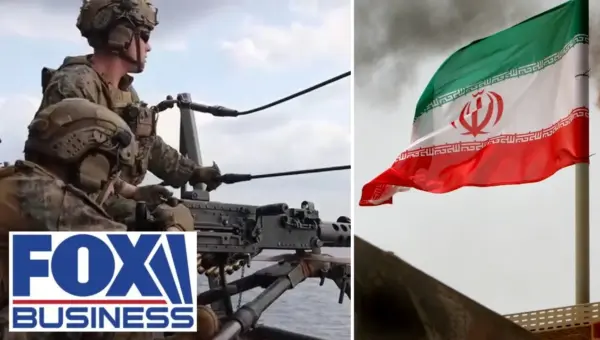
The Pentagon is reportedly weighing a significant troop increase of 10,000 soldiers to the Middle East, potentially escalating tensions with Iran. This move comes amid reports of U.S. precision strikes and interceptions of Iranian missiles by allies, raising concerns about regional stability and global oil supplies.

Iran Strikes US Base: Are We Learning from Mistakes?
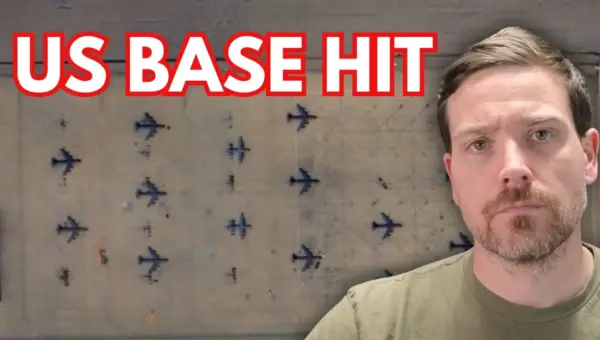
A recent Iranian drone and missile attack wounded American service members and damaged aircraft in Saudi Arabia. This incident highlights concerns about military preparedness and the failure to learn from past mistakes, as exposed aircraft remain vulnerable targets. The ongoing conflict involves complex regional dynamics, including Iran's missile capabilities and the potential involvement of groups like the Houthis, raising questions about future stability.
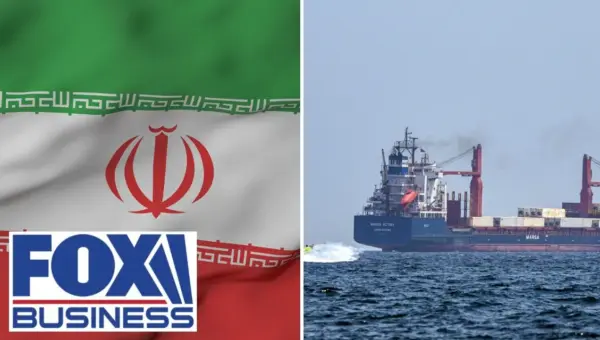
Iran Conflict Sparks Market Volatility, Experts Weigh In
Geopolitical tensions in the Middle East have rattled global markets, with stocks falling and safe-haven assets like the U.S. dollar strengthening. Experts suggest the market may have overreacted, creating potential buying opportunities, but warn of a "bumpy journey" ahead due to infrastructure damage and potential oil shortages. Concerns also linger about the Federal Reserve's independence amidst political commentary.