Iran War Costs Soar, Fueling Global Energy Price Hikes
The escalating war involving Iran, the U.S., and Israel has already cost over $11 billion, heavily impacting global energy markets. Missile strikes and drone warfare are driving up gas prices worldwide, with the Strait of Hormuz remaining a critical choke point.

Iran War Costs Soar, Fueling Global Energy Price Hikes
The conflict involving Iran, the United States, and Israel is largely being fought with missiles and drones. This aerial battle has already cost the U.S. over $11 billion in its first six days alone. The fighting is hitting critical shipping lanes, causing gas prices to jump significantly worldwide.
The High-Tech Battlefield
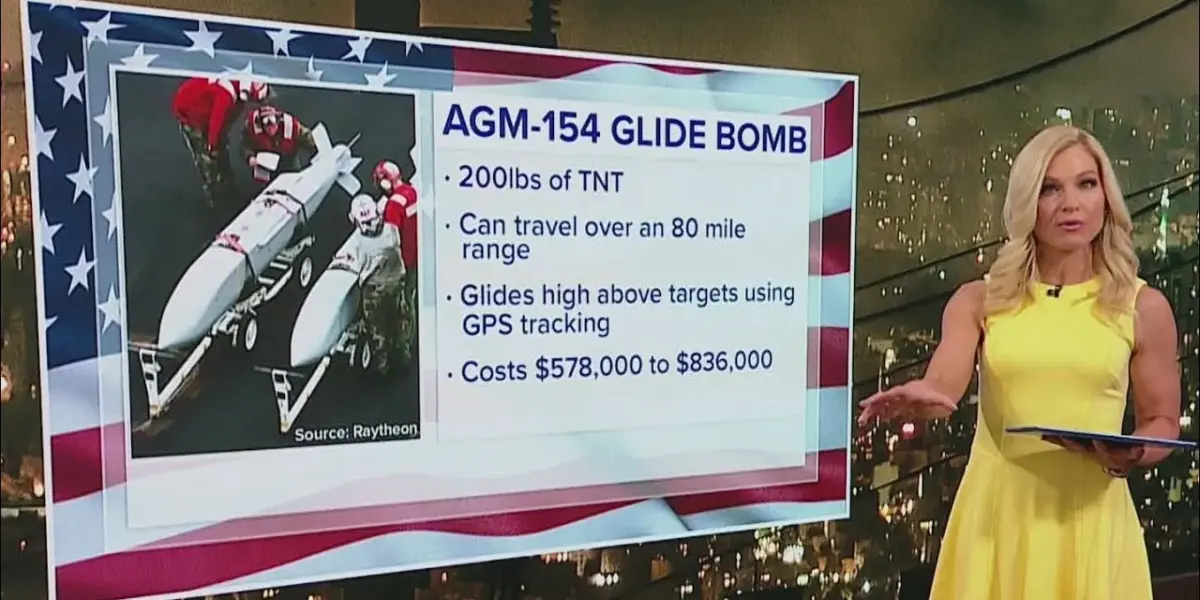
Both sides are using advanced weaponry. The U.S. relies on weapons like the Glide Bomb, a 200-pound explosive with an 80-mile range, costing up to $836,000 each. With Iran’s air defenses reportedly weakened, the U.S. is using less expensive munitions closer to targets.
Iran is firing back with its Shaab 3 missiles, capable of traveling over 1200 miles with 1500-pound warheads. These missiles are accurate to about 150 feet. Iran is also deploying drones, such as the Shahed 136, which fly low to avoid radar detection. These drones, costing around $35,000, can travel up to 1500 miles using GPS. However, they are generally no match for Israel’s Iron Dome air defense system.
Defensive Systems and Their Price Tags
Israel and other Middle Eastern nations are using the Patriot system to intercept missiles. This system uses radar to detect incoming threats and can destroy them up to 80,000 feet away. A single Patriot missile interception can cost between $2 million and $4 million. This system can take down planes, helicopters, and missiles.
Ukraine’s Unexpected Role
In a surprising twist, Ukraine is helping to intercept Iranian-made drones. Russia has used these same Shahed drones against Ukraine, meaning Ukraine has significant experience in stopping them. This assistance is invaluable to U.S. bases in the Middle East, especially as the conflict shows no clear end. The possibility of deploying troops on the ground remains a concern, which could drive costs even higher.
Global Economic Fallout: The Pump Pain
The conflict’s impact is being felt at the gas pump. The national average price for gasoline has reached its highest point in three and a half years, nearing $4 a gallon. Prices have jumped almost a dollar since the conflict began. Some states, like California, Hawaii, and Washington, are seeing prices over $5.85 per gallon, a more than 20% increase in the past month.
Experts warn that prices may continue to climb. The Strait of Hormuz, a crucial waterway for oil transport, remains closed. The White House has extended a deadline for Iran to reopen it. This closure means about 20 million barrels of oil per day, or over 100 million barrels total, are not entering the global supply chain. This shortage will continue to push prices up.
Efforts to ease the energy crisis include potentially rerouting oil supplies. However, energy experts suggest that rerouting oil from places like Venezuela might only have a small impact due to the limited daily output compared to the volume normally passing through the Strait of Hormuz.
Historical Context and Geopolitical Stakes
This conflict echoes past tensions in the Middle East, a region historically vital for global energy supplies. Control over oil routes and production has long been a source of international friction. The current escalation threatens to destabilize energy markets, much like previous conflicts have done, impacting economies far beyond the immediate combatants.
Future Scenarios
The ongoing conflict presents several potential future paths. Prices at the pump could continue to rise if the Strait of Hormuz remains closed and fighting intensifies. This would put further economic pressure on nations reliant on oil imports and could lead to increased global inflation. Another scenario involves diplomatic efforts successfully reopening the Strait, which could stabilize oil prices. However, the involvement of multiple actors and the high cost of the war suggest a prolonged period of uncertainty is more likely.
Why This Reshapes the World Order
The immense cost of this conflict, coupled with its direct impact on global energy supplies, highlights the fragility of international stability. The reliance on expensive missile defense systems and the disruption of major oil routes show how modern warfare can have immediate and far-reaching economic consequences. This situation underscores the need for secure energy pathways and raises questions about the long-term economic sustainability of prolonged regional conflicts.
Source: US says early Iran war costs topped $11B as missile strikes intensify | NewsNation Live (YouTube)

Related Articles


Houthis Join Mideast Conflict, Threaten Global Trade Routes
Yemen's Houthi rebels have joined the regional conflict, launching a missile at Israel and threatening to close the vital Strait of Mandeb. This escalation raises serious concerns about global trade disruptions. The Houthis' deep ties to Iran and the resilient structure of the Iranian regime add complexity to efforts to de-escalate the ongoing tensions.


War’s $6 Trillion Toll: Global Economy Reels
A month-long Middle East conflict has triggered a $6 trillion global stock market crash, surging oil prices to $101 per barrel, and threatening crucial trade routes. The war's expansion, now involving multiple nations, is causing severe damage to global supply chains and energy infrastructure, with long-term implications for inflation and economic growth.


US War Strategy in Iran Criticized as Overly Optimistic
A former defense official has criticized the U.S. war strategy in Iran as overly optimistic, citing conflicting signals from the administration and the potential for a prolonged conflict. The deployment of ground troops and the realism of the U.S.'s demands on Iran are key points of concern.