Iran War Claims Ring Hollow as US Troops Injured in New Attack
Days after Donald Trump claimed "we've won" the war with Iran, a new attack injured approximately a dozen U.S. troops and damaged aircraft. This incident contradicts Trump's assertions of victory and raises serious questions about the strategy and reality of the ongoing conflict.

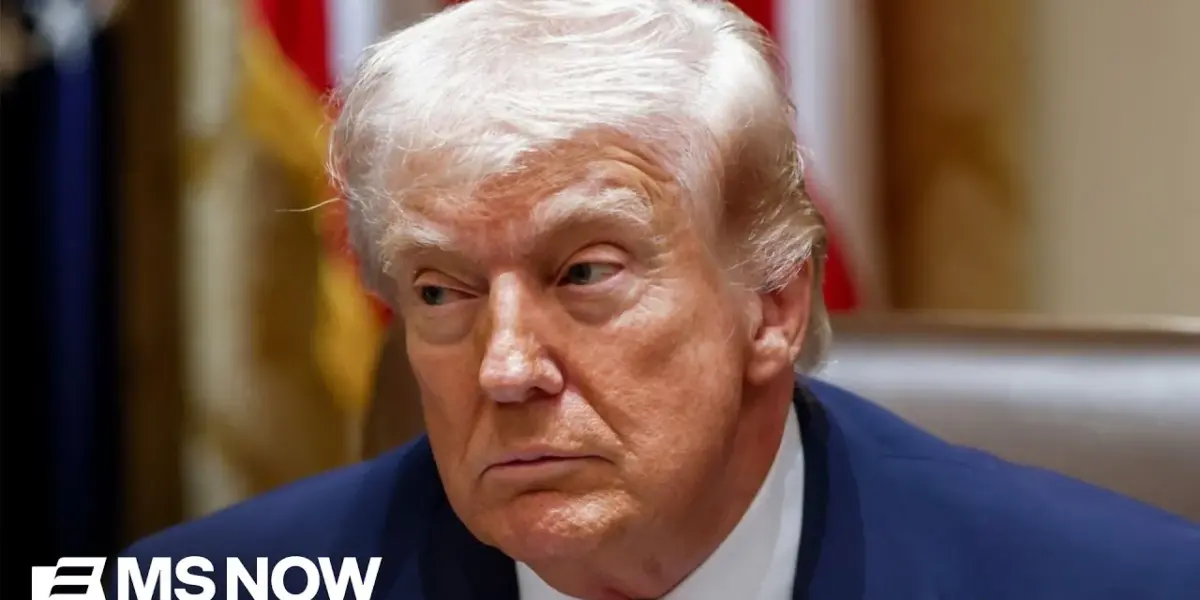
New Attack Injures US Troops Amidst Conflicting Claims
Days after former President Donald Trump declared “we’ve won” the war with Iran, a significant attack has injured approximately a dozen U.S. troops and damaged aircraft, including two tankers. The incident occurred at a U.S. air base hit by Iranian ballistic missiles and drones, according to a U.S. official. This development directly contradicts Trump’s repeated assertions of victory and the de-escalation of tensions.
Trump’s Shifting Narrative on Iran
Donald Trump’s public statements regarding the conflict with Iran have been marked by inconsistency. He has simultaneously claimed victory, announced ongoing negotiations, and stated a pause in actions to facilitate these talks. Meanwhile, Iran has reportedly denied any negotiations, even mocking Trump with memes suggesting he is texting himself. This pattern of rhetoric raises questions about the administration’s strategy and the reality on the ground.
“Trump says we could open the Strait of Hormuz and restore the global oil flow at any time except it’s not open,” the transcript notes, highlighting the disconnect between his claims and observable consequences. Rising gas prices, with a national average reaching $4 a gallon and $5.70 in California, serve as a tangible indicator of the ongoing disruption to global oil flow, directly challenging the notion of a “won” war.
Expert Analysis: A War of Choice Becomes a War of Necessity
Aaron David Miller, a senior fellow at the Carnegie Institute for International Peace and former Arab-Israeli negotiator, offered a critical perspective on the situation. He described the conflict as a “war of choice” that has tragically evolved into a “war of necessity.” Miller pointed out that the initial assumptions underpinning the conflict have proven false. Iran was not on the verge of producing a nuclear weapon, nor did it possess intercontinental ballistic missiles capable of reaching the U.S., contrary to earlier claims.
“The more one spreads falsehoods, the less one feels obliged to face reality.”
Miller further explained that Iran has demonstrated a significant capacity to weaponize geography, identifying and exploiting U.S. weaknesses. The recent attack, resulting in serious injuries to U.S. servicemen, underscores this point. He also noted that the Iranian regime has remained cohesive, unlike expectations that it might falter.
The Strait of Hormuz: A Persistent Challenge
A central issue in the conflict is the Strait of Hormuz, a critical chokepoint for global oil transport. Trump’s administration has suggested the ability to reopen it at will. However, the ongoing disruptions and rising prices suggest otherwise. Danny Citrinowicz, former head of the Iran desk at Israel’s military intelligence, predicted that Iran would not surrender or relinquish control of the strait. This prediction implies that further escalation or a negotiated settlement would be necessary.
The international community appears unwilling to support military action to reopen the strait. The U.N. is unlikely to sanction force, Europe will not participate, and the G7 will not endorse such measures. This leaves the U.S. in a difficult position, facing a choice between further escalation, retreat, or a negotiated settlement.
Uncertainty and Potential for Escalation
Miller expressed deep concern about the lack of clarity surrounding the war’s objectives and the potential consequences of continued military engagement. “We’re just not sure whose war it is who wants it who benefits from it and what success actually looks like in this thing,” he stated. The current deployment of nearly 10,000 American forces raises questions about their specific mission and the risks involved.
The expert warned that placing American forces in close proximity to hostile Iranian forces, just miles off the coast, is extremely dangerous. He fears that this situation could lead to a negative outcome, drawing a parallel to past instances where leaders misled the public about military actions, leading to significant strategic errors and personal repercussions. The situation remains volatile, with the potential for further escalation and a deepening crisis.
Looking Ahead
The recent attack and the injuries to U.S. troops highlight the ongoing dangers in the region and the failure of current strategies to achieve lasting stability. As the U.S. grapples with conflicting narratives and the international community remains hesitant to engage militarily, the path forward remains uncertain. The focus will likely remain on whether diplomacy can prevail over escalation or if the conflict will deepen into a more significant crisis.
Source: Days after Trump says 'we've won' the Iran war, a new Iran strike injures U.S. troops (YouTube)

Related Articles

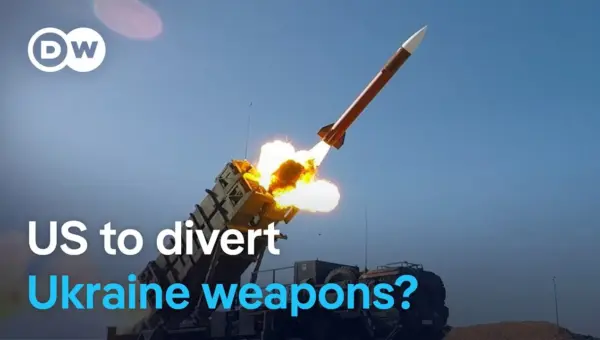
US Weighs Shifting Ukraine Weapons to Iran Amid Missile Shortage
The U.S. is reportedly considering diverting weapons destined for Ukraine to support operations against Iran, driven by rapidly depleted missile stocks. This potential shift raises concerns about Ukraine's defense capabilities and highlights the complex interplay between global conflicts.


Strait of Hormuz Blockade: Insurance Costs Soar, Ships Stuck
The Strait of Hormuz remains largely blocked despite Iran's claims of openness, with soaring insurance costs acting as a major deterrent for ships. Skyrocketing premiums, from less than 1% to potentially 7.5% of a vessel's value, make transit financially unviable for many. This situation impacts global oil prices and the broader economy, highlighting the complex interplay of geopolitical tensions, insurance markets, and international trade.

Iran Blocks China Ships, Exposing Beijing’s Weak Grip
Iran's recent decision to block Chinese ships at the Strait of Hormuz is exposing the limits of Beijing's influence in the Middle East. This action is causing delays and cancellations for Chinese manufacturers, turning a perceived geopolitical win into an economic strain.