Iran War Ceasefire: Mixed Signals Cloud Peace Hopes
A two-week ceasefire in the Iran War has been announced, but conflicting interpretations of the terms by the U.S. and Iran cast doubt on its effectiveness. Key disagreements include control of the Strait of Hormuz and Iran's nuclear program. While challenges abound, potential resolutions may arise from revised U.S. expectations and the fading possibility of internal Iranian unrest.

Iran War Ceasefire: Mixed Signals Cloud Peace Hopes
After 39 days of intense fighting, a fragile two-week ceasefire has been announced in the conflict between the United States and Iran. President Donald Trump declared the pause, but the conflicting interpretations of the agreement by both sides cast doubt on its long-term prospects for peace. The announcement came after a period of escalating tensions, including threats to bomb Iranian power plants and bridges if Iran did not reopen the Strait of Hormuz. This period saw media reports escalate concerns from targeted strikes to the potential for widespread destruction.
Conflicting Terms Undermine Ceasefire
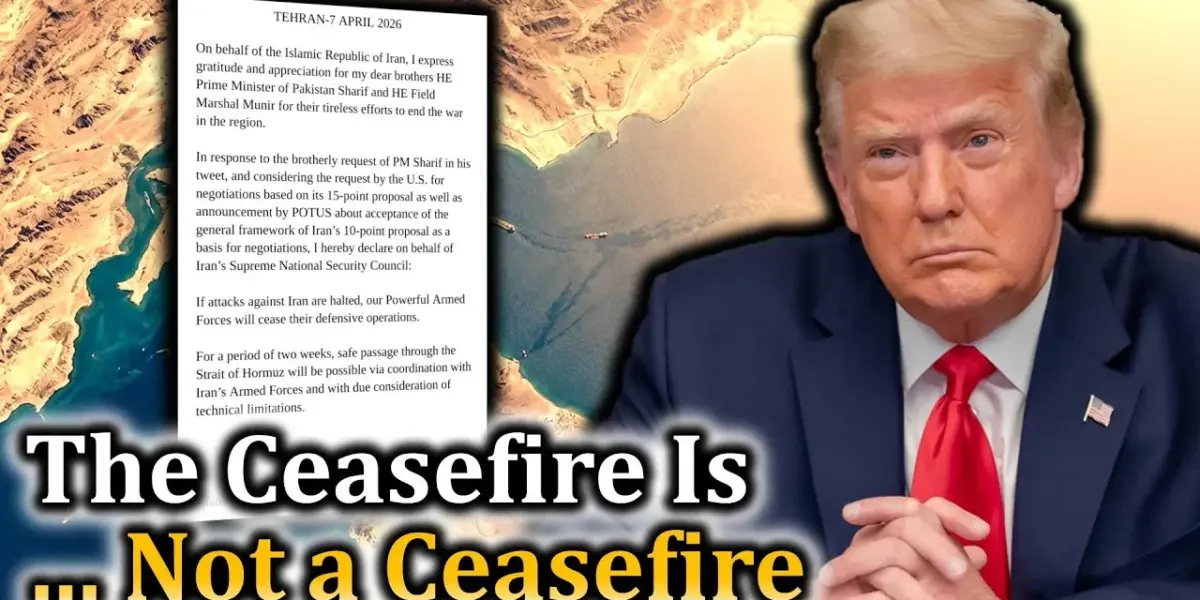
President Trump’s announcement on social media stated that the U.S. would suspend attacks for two weeks, but this was conditional on Iran agreeing to the “COMPLETE, IMMEDIATE, and SAFE OPENING of the Strait of Hormuz.” He also noted that the U.S. had received a 10-point proposal from Iran, which was seen as a potential basis for negotiations. However, the specifics of Iran’s proposal remain unclear, with Iranian state media releasing only a summary. Key demands reportedly include the lifting of all sanctions against Iran and a complete withdrawal of U.S. military forces from the Middle East. The summary also indicated that the U.S. would accept Iran’s right to enrich uranium.
These terms present significant obstacles. The U.S. is unlikely to agree to a full military withdrawal from the region, especially given current geopolitical instability. Similarly, the complete removal of economic sanctions appears improbable. The issue of Iran’s uranium enrichment, a central point of contention that led to the current crisis, is also a major hurdle. Furthermore, Iran’s ability to establish new enrichment facilities is questionable, given the damage to its air defense systems, which are reportedly a fraction of their former strength.
The most significant contradiction lies in Iran’s continued control over the Strait of Hormuz. Iran has been charging vessels approximately $2 million for passage, a move that could generate substantial revenue. If this practice were to continue after the war, it would represent a significant financial gain for Iran, potentially earning billions annually. This is a non-starter for the United States, as the ceasefire itself was predicated on the Strait’s open passage. Even if President Trump were to accept this condition, it is highly unlikely to be sustained by any future U.S. administration.
Internal Disagreements and Ambiguous Statements
Adding to the confusion, the Iranian Foreign Minister’s statement suggested that safe passage through the Strait would be possible for two weeks through coordination with Iran’s armed forces, taking technical limitations into account. This directly contradicts President Trump’s demand for a complete and immediate opening. Further complicating matters, Iran’s Security Council released a statement claiming the U.S. agreed to Iran’s 10-point plan, a report that President Trump disputed, suggesting internal divisions within the Iranian government and a potential U.S. refusal to engage with all factions.
Adding another layer of complexity, Iranian state media separately reported that Iran and Oman would jointly charge for passage through the Strait during the ceasefire. This again conflicts with the U.S. demand for an unrestricted opening. Ultimately, the actual openness of the Strait depends not on declarations but on whether shipping companies perceive it as safe to transit. The two-week ceasefire period is also notably short compared to historical precedents, where resolving conflicts typically takes many months, if not years. This suggests the current pause is more of a cooling-off period, with a renewal or resumption of hostilities likely after the two weeks expire.
Reasons for Cautious Optimism
Despite the significant challenges, there are reasons for cautious optimism regarding the potential end of the conflict. Wars often end when bargaining failures are resolved, and fighting can sometimes clarify the realities on the ground, leading to more realistic negotiations. One optimistic perspective stems from the U.S. intelligence community’s assessment of the war’s potential outcomes. Initial assessments, reportedly influenced by Israeli arguments, suggested that regime change and the destruction of Iran’s military capacity were feasible with minimal damage to U.S. allies.
However, internal U.S. intelligence reviews, described by some as “farcical” or “male cow feces,” may have provided a more sobering view. Decisions to go to war are often made under conditions of uncertainty. If the U.S. initially overestimated what a conflict could achieve, and subsequent fighting or intelligence updates have led to a reassessment, this could pave the way for a settlement. Iran’s rejection of initial U.S. demands likely stems from its belief that it can achieve a better outcome than U.S. intelligence initially suggested. As U.S. expectations are downgraded to align with Iran’s original assessment, a negotiated settlement becomes more plausible.
A second source of optimism relates to the possibility of internal unrest in Iran. Intelligence suggested that regime change or popular uprisings were possible, even if not guaranteed. The U.S. may have initiated the conflict partly to exploit the Iranian government’s distraction by potential protests. If intelligence now indicates that the window for significant internal protests has closed, and Iran’s coercive power is stabilizing, the strategic incentive for the U.S. to continue fighting diminishes. This reduction in perceived U.S. leverage could push both sides towards a lasting settlement, even if it requires further negotiation beyond the current two-week period.
Strategic Implications
The current ceasefire, while a welcome pause in hostilities, is fraught with contradictions. The core issue remains the control and passage through the Strait of Hormuz, a vital global shipping lane. Iran’s attempts to control this chokepoint have significant economic and strategic implications for global energy markets and international trade. The U.S. objective of maintaining freedom of navigation clashes directly with Iran’s desire to exert influence and generate revenue through passage fees.
The internal divisions within both the U.S. and Iranian leadership, as suggested by conflicting statements, highlight the complexity of de-escalation. For the ceasefire to evolve into a lasting peace, these fundamental disagreements, particularly regarding Iran’s nuclear program and regional influence, must be addressed. The potential for renewed fighting remains high if a mutually acceptable framework for negotiation cannot be established within the limited timeframe of the current pause.
Source: Closing Time? Causes for Pessimism and Optimism for an End to the Iran War (YouTube)

Related Articles

NATO Allies Urged to Step Up Support for US
Retired Navy SEAL Mike Cirelli urges NATO allies to increase their support for U.S. international efforts, citing delays in crucial operations. NATO's chief acknowledges past slow responses, while Cirelli emphasizes the need for allies to take greater responsibility for global security, especially concerning energy supplies.

Iran Nuclear Talks Heat Up Amid Ceasefire Concerns
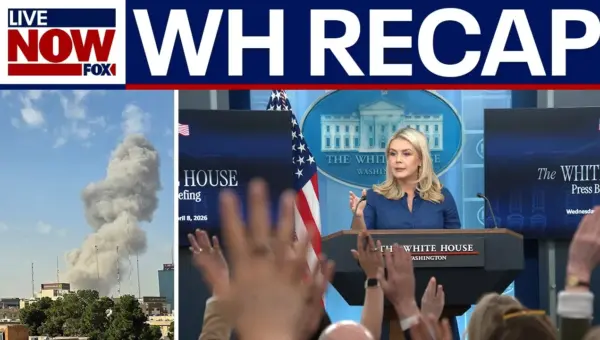
The White House is clarifying its stance on Iran's nuclear program, emphasizing that enrichment is off the table. Meanwhile, a high-level delegation is heading to Pakistan for critical talks amid reports of continued hostilities and the alleged closure of the Strait of Hormuz, testing a fragile ceasefire.

US-Iran Talks Falter Amid Hormuz Standoff, Ceasefire Strain
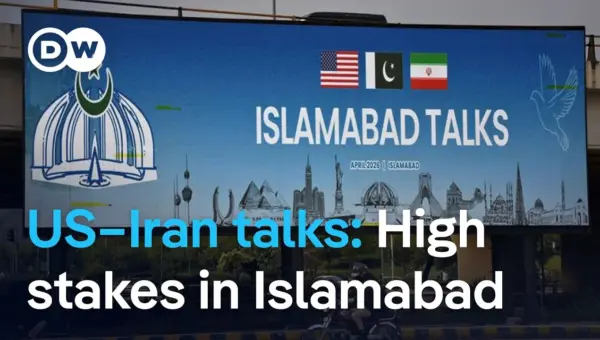
A fragile ceasefire between the US and Iran is under severe strain as tensions rise over the critical Strait of Hormuz. Both nations accuse each other of violating the terms of a recent deal, while international efforts to secure the vital shipping lane intensify. Crucial peace talks are underway in Pakistan, but deep-seated distrust and maximalist demands from both sides cast doubt on the likelihood of a comprehensive agreement.