Iran War: An ‘Israeli Expansionist Project,’ Activist Claims
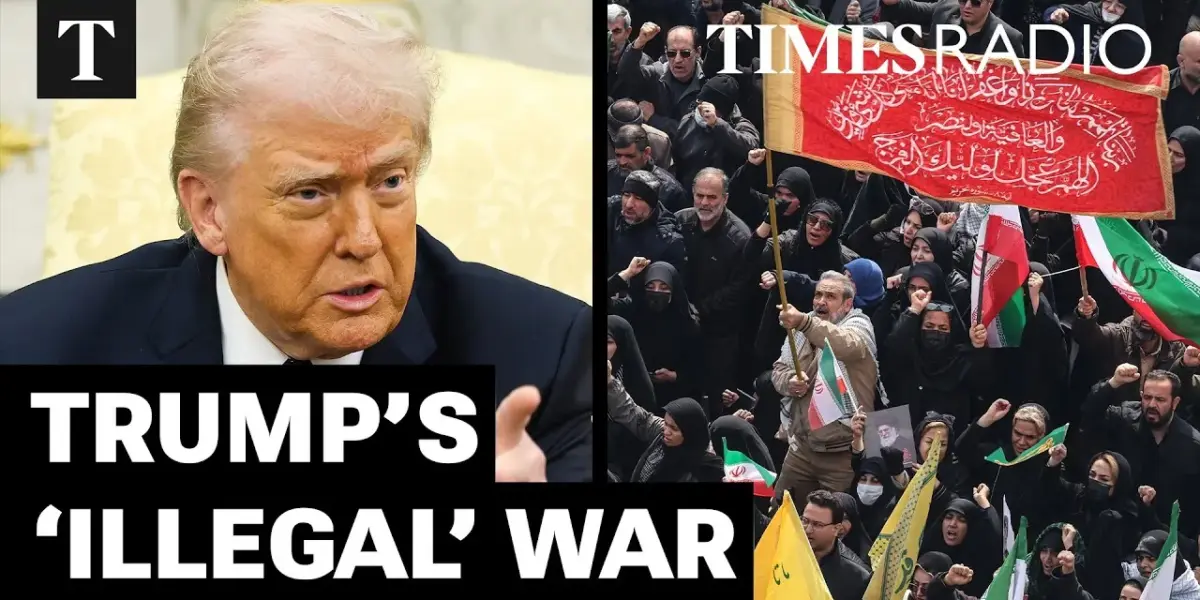
An activist has described the ongoing conflict in Iran as an 'Israeli expansionist project,' facilitated by the U.S. Susan Tamasi highlighted the devastating humanitarian impact, including the destruction of civilian homes and the erosion of women's rights. She criticized external calls for regime change, arguing that military interventions have historically led to chaos and destruction, not liberation.

Iran Conflict Escalates Amidst Humanitarian Crisis and Activist Concerns
The ongoing conflict involving Iran has ignited significant debate, with critics labeling the military actions as an “Israeli expansionist project” facilitated by the United States and European nations. Susan Tamasi, Executive Director of FENA, an organization dedicated to women’s rights in the SWANA region, voiced these strong accusations, highlighting the devastating humanitarian impact and the erosion of hard-won rights for Iranian women.
Operation Epic Fury and Civilian Casualties
Operation Epic Fury, a military campaign involving the U.S. and Israel, has reportedly resulted in civilian casualties across Iran. Reports indicate that a strike hit a girls’ primary school in Minab, underscoring the indiscriminate nature of the attacks. Tamasi stated that while the stated aim of the U.S. and Israel is to target Iran’s military structures, approximately 19,000 civilian structures have been impacted, with 16,000 of those being residential. This has led to widespread displacement, with families losing their homes, often the sole asset accumulated over a lifetime or even multiple generations.
Erosion of Women’s Rights Amidst Conflict
The conflict has cast a shadow over the progress made by Iranian women in asserting their rights. The female-led protests that swept the nation in 2022, following the death of Mahsa Amini after her arrest for hijab violations, brought global attention to the plight of women in Iran. These protests saw women pushing boundaries, engaging in activities technically illegal such as dressing as they wished in public, participating in marathons, and riding motorbikes. However, Tamasi warns that the ongoing crackdown and the current war threaten to reverse these gains. “It seems that some of those rights may be lost,” she stated, emphasizing the continued repression and the indiscriminate humanitarian impact on all Iranians, including women and children.
Humanitarian Infrastructure and International Isolation
A critical concern raised by Tamasi is the lack of established humanitarian structures to support civilians impacted by the conflict in Iran. Unlike typical conflict zones where the international community mobilizes aid, Iran’s years of sanctions and its isolated status have left a void. “There’s no structures in place to provide this support,” Tamasi explained. Furthermore, she noted the Iranian government’s alleged lack of preparedness, such as the absence of sirens or shelters for citizens during bombings. The severe nature of the strikes, as acknowledged by the U.S. and Israel, exacerbates the crisis, particularly given the destruction of residential buildings and the displacement of thousands of families.
The Role of External Intervention and Regime Change
Tamasi was critical of pronouncements from figures like former U.S. President Donald Trump, who urged the Iranian people to rise up, suggesting American strength was behind them. She dismissed such calls as naive, asserting that neither the U.S. nor Israel are motivated by a desire to save the Iranian people. “Anyone who assumed that Israel or the U.S. is out to save the Iranian people assumed wrong. They were very naive to assume that President Trump doesn’t care about the Iranian people. Neither does Israel,” Tamasi stated. She reiterated her view that the conflict is an “Israeli expansionist project,” drawing parallels to actions in Gaza over the past two years, supported by the U.S. and European countries. She believes the intent behind the attacks is to create chaos and destroy the country, regardless of who governs it.
Internal Uprising vs. External Influence
When questioned about the possibility of an internal uprising leading to regime change without external intervention, Tamasi acknowledged the brutality of the Islamic Republic but also pointed to external influences that may have contributed to the escalation of violence. She noted that while initial protests were largely peaceful, calls for retaliation from external actors may have emboldened the state’s violent response. “It’s not at all to justify it by any means, but I do think that the geopolitics played a role in this,” she remarked. Tamasi also expressed skepticism about military interventions as a path to liberation, citing historical examples in Iraq, Afghanistan, and Libya, where such campaigns have led to devastation rather than freedom.
Condemnation and International Law
Tamasi called for the condemnation of the U.S. and Israeli actions against Iran, questioning why such military offensives are not met with the same international scrutiny as other geopolitical conflicts. She referenced the UK’s stated position of adhering to international law and learning from past campaigns, implying a contradiction if such principles are not applied to the current situation in Iran. She concluded by emphasizing that liberation cannot be achieved through death and destruction, questioning the very premise of military intervention as a solution.
Looking Ahead
The unfolding situation in Iran demands continued international attention, particularly regarding the humanitarian crisis and the potential long-term impact on the rights and freedoms of its citizens. The validity of external actors’ motivations and the effectiveness of military interventions versus internal reform movements will remain critical points of analysis as the conflict progresses. The international community faces a challenge in navigating these complex geopolitical dynamics while advocating for humanitarian aid and the protection of human rights within Iran.
Source: Iranian Activist: Trump’s Iran War Is ‘Israeli Expansionist Project’ (YouTube)

Related Articles
GOP Struggles for Iran War Message Amidst Economic Pain
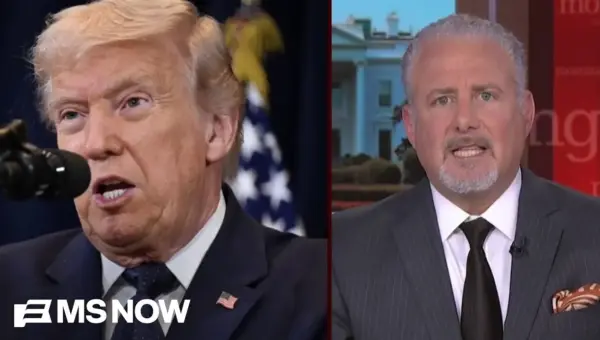
Republicans are struggling to articulate a unified message regarding the ongoing conflict with Iran, as Americans face rising gas prices and economic uncertainty. Concerns over affordability and the lack of clear justification for the war are creating significant political challenges for the party.
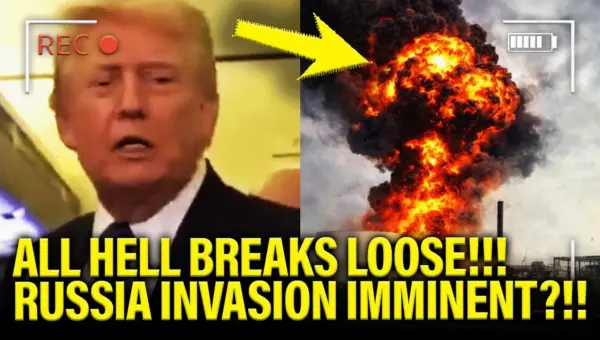
Global Conflict Ignites: Is Trump’s Iran War a Catalyst?
A provocative analysis suggests the conflict in Iran, under the Trump administration, is a catalyst for global war, potentially drawing in Russia and destabilizing regions from the Baltics to East Asia. The piece highlights shifting alliances, strategic vulnerabilities, and Ukraine's evolving role in drone warfare, painting a grim picture of escalating international tensions.
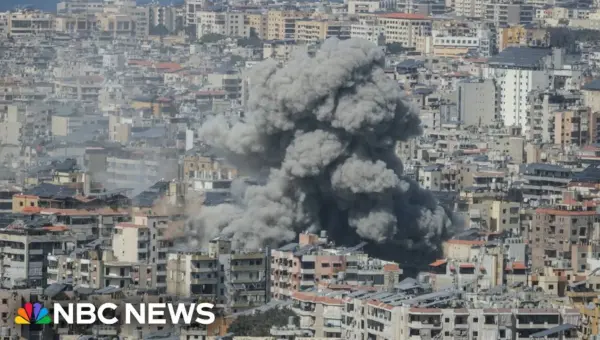
Iran Conflict Escalates: US Strikes Intensify Amidst Leadership Questions
Escalating tensions in the Middle East see intensified U.S. strikes on Iran amidst questions about the health of its new Supreme Leader. The conflict's economic impact is felt globally, with rising oil prices and threats to the Strait of Hormuz, while the U.S. grapples with domestic concerns over the war's objectives and severe weather.