Iran Wages Meme War, Targeting Trump’s Pain Points
Iran and the U.S. are engaged in an online information war, using memes and viral videos to influence public opinion. Iran targets President Trump's vulnerabilities with tactics like Lego-style animations, while the U.S. uses pop culture to reach younger audiences. This asymmetric warfare aims to inflict political pain, highlighting the evolving nature of international conflict.

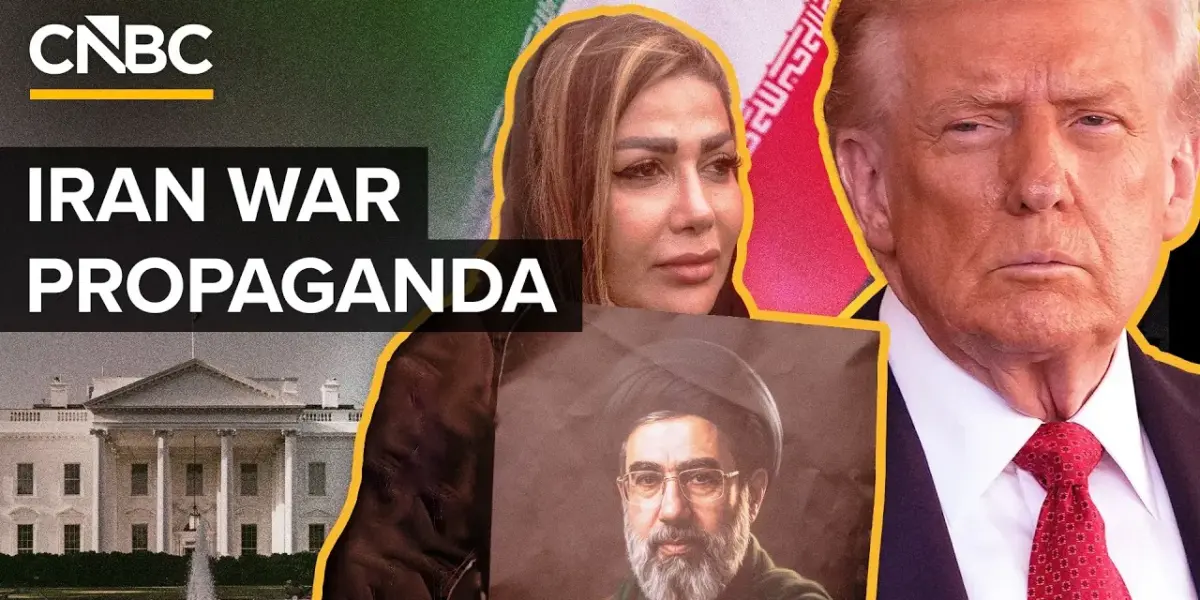
Iran Wages Meme War, Targeting Trump’s Pain Points
As tensions rise between the U.S. and Iran, a new kind of battlefield has emerged: social media. Both nations are using online content, especially memes and videos, to shape public opinion and spread their messages. Many experts believe this information war is becoming just as important, if not more so, than the actual military actions.
Iranian officials, state-run media, and accounts supporting the regime have been actively targeting President Donald Trump online. They use tactics like creating rap diss tracks, some appearing to be made with artificial intelligence. One example featured lyrics calling Trump a “L.O.S.E.R.” and mocking him for being “shaking in your suite.” Another video used Lego-style animation. It showed a Lego version of President Trump ordering a military strike after looking at files related to Jeffrey Epstein with Israeli Prime Minister Benjamin Netanyahu and a figure representing Satan.
Pressing Geopolitical Weaknesses
The repeated mention of Jeffrey Epstein is a deliberate strategy. This is a common tactic where one side finds a sensitive issue or a weakness in their rival and keeps bringing it up. They press that weak point, hoping to cause political pain or embarrassment. This approach aims to exploit existing controversies and turn them into a public relations challenge for the opposing nation.
Lego Memes: A Smart Tactic
The use of Lego-style animation might seem unusual for serious political messaging. However, experts explain that it’s a calculated move. Legos are universally recognized and liked by many people. Using such a format can make even sensitive or aggressive content more appealing. This approach encourages audiences to lower their guard and makes them more likely to share the material, spreading the message further.
U.S. Responds with Pop Culture
The meme war is not one-sided. The Trump administration has also used popular culture in its online messaging since the conflict began. The White House itself has released videos that combine footage of actual military strikes with clips from well-known movies, sports events, and video games. This strategy aims to make the events relatable and attention-grabbing for a wider audience.
Criticism and Effectiveness
Some critics have argued that using pop culture references trivializes the conflict. Tragically, the fighting has resulted in the deaths of 3,400 Iranians and over a dozen U.S. service members. Despite these concerns, White House officials maintain that these videos are effective in reaching younger demographics. For instance, four videos posted in early March reportedly received nearly 100 million views by the end of that month. This shows a significant reach and engagement with the content.
Asymmetric Warfare: Iran’s Strategy
Despite the U.S. efforts, some analysts suggest that Iran’s online campaign is currently more effective. This is partly because of the target audience and the nature of the conflict. Only about 1% of Iranians have internet access, meaning the memes from Iran are likely not aimed at its own citizens. Instead, the social media propaganda from the U.S. appears designed to energize President Trump’s supporters and rally his political base.
Iran’s approach is a form of what’s known as asymmetric warfare. This means Iran cannot compete with the United States or Israel in a traditional military conflict. They cannot match the firepower or the number of military actions. Therefore, Iran’s strategy is to fight a different kind of war.
By using social media and memes, Iran aims to make the conflict more politically difficult and costly for the United States. Their goal is to inflict political damage rather than military defeat. This online engagement is their way of competing on a different playing field where they have a better chance of making an impact.
Market Impact
While this conflict is primarily geopolitical, prolonged tensions and information warfare can create uncertainty. Investors often react to instability, which can lead to fluctuations in oil prices and stock markets. The effectiveness of these online campaigns in shaping public perception could indirectly influence political decisions and international relations, which in turn can affect global markets. However, the direct impact on financial markets from meme warfare is difficult to quantify. It’s more about the underlying geopolitical risk that these tensions represent.
What Investors Should Know
Investors should monitor geopolitical developments closely, as they can impact energy prices and overall market sentiment. While memes and social media campaigns are part of the modern information war, they are secondary to the real-world political and military actions. The key takeaway is that geopolitical instability, regardless of how it’s communicated, can create market volatility. Understanding that Iran is using this as an asymmetric tactic to gain political leverage is important for assessing the broader risks associated with the U.S.-Iran relationship.
Source: How The Iran War Is Being Fought Through Memes (YouTube)

Related Articles
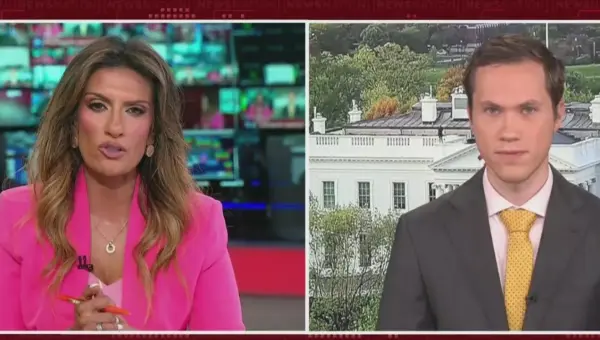
US Rescues Airman, Uniting Congress in Rare Bipartisan Praise
Washington reacted with widespread relief and bipartisan praise following the successful rescue of a U.S. service member held in Iran. The operation united lawmakers, demonstrating American resolve and capability in a complex geopolitical landscape. This event highlights the enduring importance of military power and its impact on regional dynamics.
GOP Rep Stumbles on Iran Policy Amidst War Confusion
A Republican congressman struggled to explain Iran's continued control over the Strait of Hormuz on live TV, raising questions about U.S. foreign policy clarity. The interview highlighted the complex reality of Iran's military capabilities, particularly its IRGC Navy, and the ongoing challenges in global trade security.

Trump’s Golf Habit Drains Millions from Taxpayers
Donald Trump's golf trips have cost taxpayers over $100 million in just 14 months, a rate significantly faster than his previous term. This analysis highlights concerns about the use of public funds and potential conflicts of interest when presidential stays at private properties incur charges for government services.