Iran Vows Retaliation After Israel Strikes Gas Facility
Iran has vowed "decisive action" after an alleged Israeli strike on a key natural gas facility, raising fears of a wider regional conflict and impacting global energy markets. Oil prices have surged as attacks target critical infrastructure and high-ranking officials.

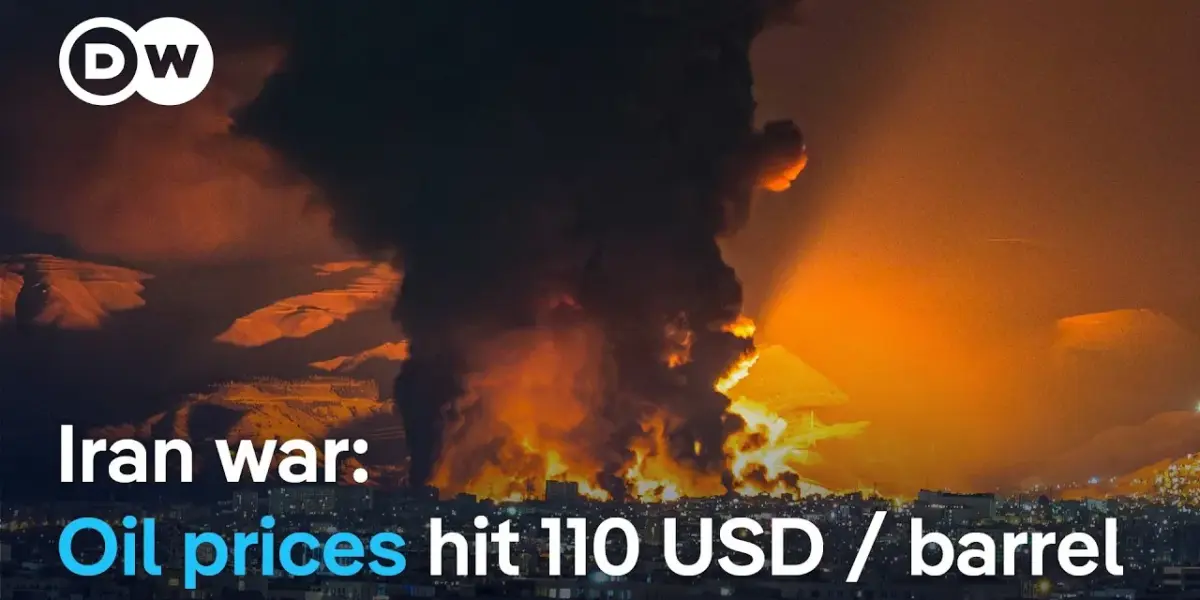
Iran Threatens Action After Alleged Israeli Attack on Gas Field
Tehran has vowed to take “decisive action” following an alleged Israeli attack on an Iranian petrochemical complex linked to the massive South Pars natural gas field. The facility is part of the world’s largest natural gas deposit, a resource shared by Iran and Qatar. This development has sent shockwaves through global energy markets, with oil prices surging to $110 a barrel.
Qatar has condemned the attack, labeling it a “dangerous and irresponsible step.” The incident underscores the growing volatility in the region and its potential impact on international energy supplies.
Key Figures Targeted in Escalating Conflict
The conflict has also seen the confirmed death of Iran’s intelligence minister, Katib, who was reportedly killed in an Israeli airstrike. Katib was previously under U.S. sanctions for alleged cyber activities against the United States and its allies. This strike signals a direct targeting of high-ranking Iranian officials.
Further complicating the situation, Australia’s prime minister reported that an Iranian projectile struck an air base in the United Arab Emirates where Australian soldiers are stationed. While the attack on the Al-Minhad base caused only minor damage to barracks and a medical facility, it highlights the expanding reach of the conflict.
Additionally, three private planes at a private airport near Tel Aviv were damaged by debris from Iranian missiles. Earlier in the day, two people died when Iranian missiles bypassed Israeli air defenses, indicating ongoing strikes and counter-strikes.
Regional War Fears Mount as Energy Security Threatened
Yosi Meclagg, a senior consulting fellow at Chatham House in London, warned that targeting energy installations like the South Pars gas field or oil tankers in the Strait of Hormuz makes them “fair game” in the war. This, he explained, creates significant insecurity in both the short and long term.
“The more these kinds of energy installations… become a fair target as part of the war, the more it creates insecurity not only in the longer run, now, it’s in the short term run because we are talking about a high percentage of energy that comes through this place.”
Meclagg pointed out that the region is a crucial transit point for a significant portion of global energy. Approximately 20% of oil passes through the Strait of Hormuz, and the shared natural gas field between Qatar and Iran holds vast reserves. This precarious situation naturally makes global markets extremely anxious, leading to immediate price increases for oil and natural gas.
Is the Conflict Spreading Across the Middle East?
The recent attacks, including those in Beirut, Dubai, and Oman, along with strikes on oil tankers, raise serious questions about whether this war is evolving into a broader regional conflict. Meclagg stated that the conflict has, in many ways, been regional from its inception.
He noted that Iran has attacked neighboring countries, and Israel and the United States may have initially underestimated the duration of the war. What was perhaps expected to be a short conflict, lasting days, has now extended for weeks, involving complex objectives like Iran’s nuclear program, ballistic missiles, and support for proxies.
The most dangerous objective, according to Meclagg, is regime change within Iran. This is a regime fighting for its very survival. As the conflict expands, impacting neighboring countries and creating international economic consequences, both Iran and its adversaries are drawn deeper into a wider confrontation. Escalation, often intended to bring a conflict to a quicker end, frequently has the opposite effect.
Regime Destabilization as a Key Objective?
The idea that destabilizing the Iranian regime, or even achieving regime change, is a primary goal of the war is gaining traction. Meclagg suggested that targeting senior figures within the Iranian regime, including Supreme Leader Ali Khamenei, indicates an intent to replace them.
The question remains whether replacing these individuals will lead to the collapse of the regime itself and the installation of a new one. Calls for the Iranian people to take to the streets further suggest that undermining the current government is a central aim.
The Unfolding Scenario: Chaos, Stalemate, or Long Conflict?
Meclagg outlined three potential outcomes if the war continues. One possibility is the collapse of the Iranian regime without a clear alternative, which could lead to prolonged chaos. Another scenario involves a U.S. declaration of victory, as dictated by political will rather than clear objectives, potentially leaving many issues unresolved and the region unstable.
The third, and perhaps most likely, outcome is a protracted war. Such a conflict would be deeply destabilizing for the region, cause immense damage, and continue to disrupt international markets, as already seen over the past three weeks.
Israeli Intelligence: Precise but Politically Uncertain
Despite the uncertainties, one aspect that appears certain is the precision of Israeli intelligence operations. The ability to locate and strike high-ranking Iranian officials has been repeatedly demonstrated, both recently and in past incidents.
However, Meclagg cautioned that the effectiveness of these strikes depends on achievable political aims. While the intelligence and operational capabilities are clear, the strategic goals and their attainability remain subjects of doubt.
Looking Ahead
As tensions remain high, the world will be watching to see if Iran follows through on its threats of retaliation and how Israel responds. The stability of global energy markets hinges on de-escalation, but the current trajectory suggests a prolonged and potentially wider conflict across the Middle East.
Source: Iran war: Tehran threatens retaliation after attack on gas facility | DW News (YouTube)

Related Articles
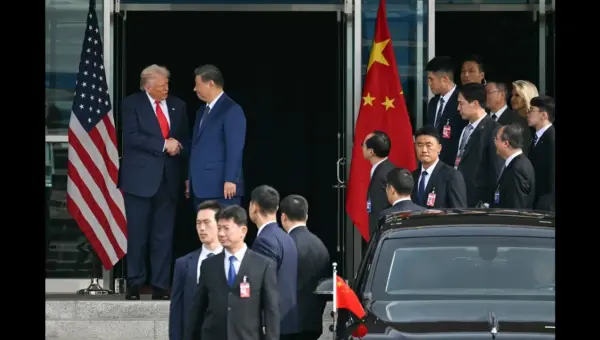
Trump’s “Walk Away” Tactic Signals Tougher Stance on China
Retired Air Force Brigadier General David Stillwell believes President Trump's strategy of being willing to walk away from negotiations puts pressure on China. This tactic, combined with US global actions and strengthened alliances, signals a more assertive American foreign policy.
China Fights Back: Tariffs Loom Ahead of Trump Visit
China is retaliating against US trade investigations that could lead to higher tariffs. This escalating trade tension occurs just before a planned visit by President Trump. The dispute involves accusations of unfair practices and impacts global supply chains.


Israelis Forge Resilience Amidst Constant Bomb Shelter Drills
Life in Israel is a blend of resilience and constant vigilance, with many families adapting to frequent bomb shelter drills and even sleeping in makeshift shelters. Despite ongoing missile attacks, Israelis strive to maintain normalcy, though businesses face disruption and emotional fatigue is a growing concern.