Iran Vows “Anything” To Avoid Gaza-Like State Amid Tensions
Iran is determined to avoid a Gaza-like situation amid escalating tensions with the US. A new US blockade of Iranian ports is seen as an act of war, raising fears of wider conflict. Deep distrust and stalled peace talks highlight the fragile state of regional security.

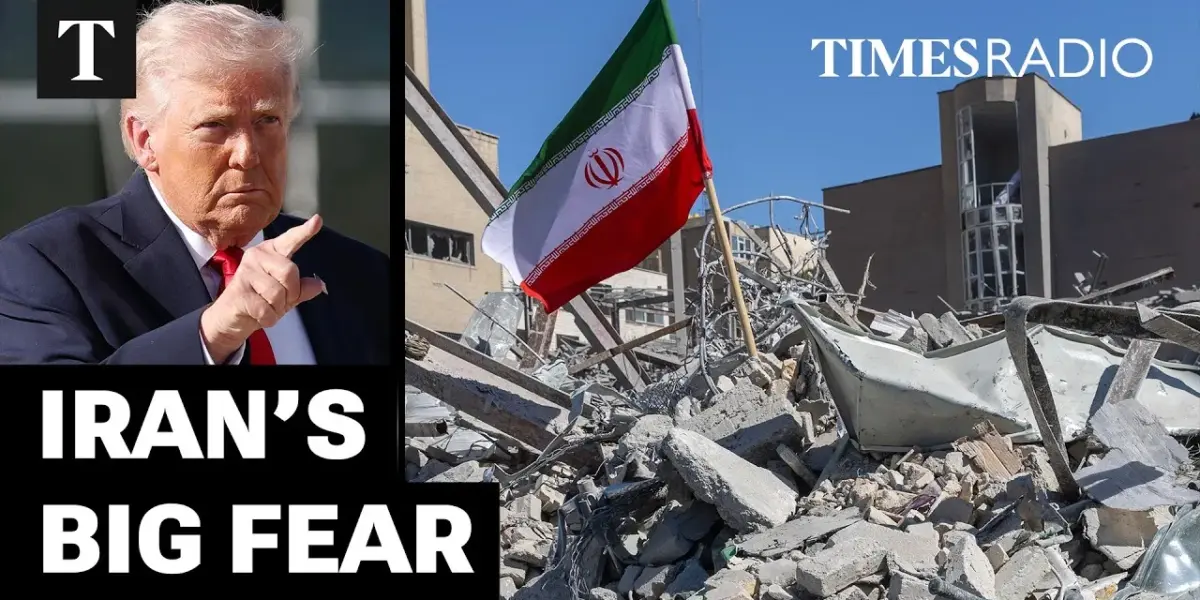
Iran Fears Gaza Scenario Amid US Blockade Threat
Iran is determined to avoid a situation similar to Gaza or Lebanon, where it feels ceasefires are interpreted by Israel as permission to continue striking targets. This fear comes as the United States, under President Trump, has introduced a blockade affecting Iranian ports, a move Iran views as an act of war. The situation highlights deep mistrust between Iran and the US, even as both sides express a desire for a resolution to the ongoing conflict.
US Blockade: A Move With Unclear Goals
President Trump announced a blockade of Iranian ports, aimed at preventing the export of Iranian oil. However, experts question the effectiveness of this action, especially since the US has previously allowed ships to carry Iranian oil to destinations like China. A blockade now is seen as a significant military step that could dangerously escalate the conflict.
Yazid Sayigh, a senior fellow at the Malcolm H. Kerr Carnegie Middle East Center, explained that blockading Iranian ports is unlikely to achieve its intended goal. “It doesn’t. The Iranians have maintained effective control over the Strait of Hormuz,” Sayigh stated. He added that Iran could respond by blocking the strait for all shipping, a move that would disproportionately harm global trade and regional stability.
The US has been allowing ships from non-Iranian ports to pass through the Strait of Hormuz. This selective approach raises questions about the overall strategy and its potential impact. While the blockade might aim to cut off Iran’s oil revenue, Sayigh suggests it will not fundamentally change Iran’s ability to influence shipping through the Strait of Hormuz. Instead, it could push Iran to retaliate in ways that create greater instability.
Peace Talks Stall Amid Deep Distrust
Recent peace talks, involving senior figures from both the US and Iran, have shown a mutual desire for an end to the conflict. However, reaching an agreement remains difficult. Years of tension and the unilateral cancellation of the 2015 nuclear deal by President Trump have created a significant trust deficit.
Key sticking points include Iran’s nuclear program and sanctions relief. Iran insists on its right to enrich uranium for civilian purposes, while the US demands an end to all enrichment. Additionally, Iran seeks the lifting of international sanctions to rebuild its economy and secure future income, potentially through shipping fees from the Strait of Hormuz.
Sayigh pointed out that Iran’s lack of faith in President Trump’s willingness to negotiate in good faith is a major obstacle. “Twice in the last year, they’ve been hit while Trump… while engaging in negotiations that Trump had called for,” he said. This experience makes Iran wary of agreeing to a ceasefire that doesn’t allow for economic recovery and leaves them vulnerable to continued strikes.
Allies Hesitate to Join US Efforts
Despite the US call for international support, many allies are reluctant to get involved. The UK has stated it is not supporting the blockade and does not want to be drawn into an Iran war. This lack of broad support suggests that the US may be acting largely alone in its current actions.
Sayigh believes the US military does not strictly need allies for its blockade efforts. However, he noted that the Trump administration is seeking political backing from allies. Many, including Arab Gulf states, are hesitant. They feel dragged into a conflict they didn’t want and are wary of the consequences of further escalation.
The Arab Gulf states face a precarious future. If the Iranian regime survives, they will have a hostile neighbor that could threaten their energy infrastructure and security. Conversely, supporting regime change in Iran could lead to a failed state and further instability on their borders. They are seeking a multilateral agreement that is transparent and binding on both sides.
A Fragile Ceasefire and Uncertain Future
The current situation is described as a fragile ceasefire, with both sides using pressure tactics to gain concessions. This approach is seen as a recipe for failure. The ultimate fear for Iran is to be in a position where a ceasefire offers no economic benefit and allows for continued strikes, a scenario they are prepared to fight to avoid.
The lack of clear, binding agreements and the ongoing mistrust create a dangerous environment, particularly for the Arab Gulf states caught in the middle. As tensions remain high, the region braces for potential further conflict, with the Strait of Hormuz remaining a critical flashpoint.
Source: Iran ‘Will Do Anything’ To Avoid Turning Into Gaza (YouTube)

Related Articles

U.S. Tightens Grip on Hormuz Strait
Tensions escalate in the Strait of Hormuz as the U.S. threatens to blockade Iranian ports, causing oil prices to surge. Following failed peace talks, Iran vows retaliation against any perceived violations, setting the stage for a significant geopolitical standoff.

US Blockades Hormuz: War Looms as Iran Threatens to Fire
The U.S. military has imposed a total blockade on the Strait of Hormuz, leading to a dangerous standoff with Iran. This move could see U.S. forces boarding Chinese ships, escalating tensions significantly. Iran has threatened retaliation, raising fears of a wider regional conflict.


General Warns of War Crime Trials for U.S. Military
Retired U.S. Army Brigadier General Steve Anderson warns that U.S. military members could face Nuremberg-style trials for war crimes. He criticizes former President Trump's handling of international conflicts, particularly in Iran, calling it a major geopolitical blunder. Anderson urges strategic international action for accountability after the current administration.