Iran Violates Ceasefire: Missiles Fly After US-Iran Deal
Despite a declared ceasefire between the US and Iran, ballistic missiles and drones continue to fly, with the UAE reporting ongoing attacks. Experts question the scope of the deal, especially concerning regional allies and Iran's nuclear program. The situation remains tense as negotiations progress.

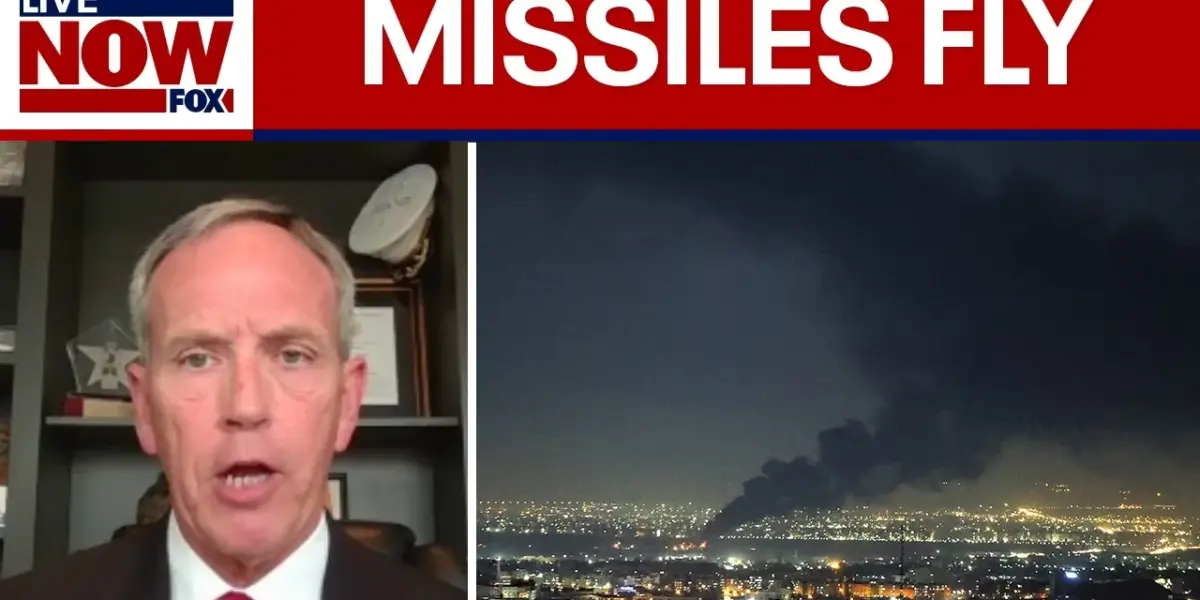
Ceasefire Shattered: Iran Continues Attacks Despite US Deal
In the Middle East, peace remains elusive. Despite announcements of a potential ceasefire between the United States and Iran, the United Arab Emirates (UAE) reports ongoing attacks from Iran. Ballistic missiles and drones continue to be launched, with Kuwait also confirming similar incidents. The Iranian Revolutionary Guard Corps (IRGC) has even claimed responsibility for attacks on Israel and Saudi Arabia.
This situation raises critical questions about the scope of the agreement. While the US and Iran may be halting attacks against each other, there is no clear indication that Iran will stop targeting other nations in the region. The UAE, in particular, has faced numerous attacks in recent weeks, with residents occasionally receiving alerts to take shelter.
Dubai’s Fragile Normalcy Amidst Conflict
In Dubai, life continues, but with an underlying tension. While businesses remain open and people attempt to maintain daily routines, the usual vibrancy is diminished. Many Americans and foreign workers have left the country due to the unrest. Those who remain are trying to carry on, but the constant threat of incoming fire is a stark reality.
Matt Finn, reporting from Dubai, noted the unusual quiet in some areas. “You go into certain restaurants they’re completely dead,” he said. “A lot of people are saying these are not normal times. It’s it’s much much slower than usual.” Despite this, people are seen enjoying public spaces, adapting to a new normal where alerts for shelter are frequent.
Experts Question Iran’s Intentions and Deal’s Scope
Mark Chandler, a professor at Coastal Carolina University and former defense intelligence official, suggests that President Trump’s administration is actively promoting the ceasefire deal. “He needs to sell this deal out there to make it look like it’s beneficial to the United States and that it’s working forward to that,” Chandler explained.
However, significant issues remain unresolved. One major point of contention is Iran’s nuclear program. Iran has proposed a 10-point peace plan that includes continuing uranium enrichment, a move the US opposes. President Trump has stated that Iran will not be enriching uranium, but the exact terms of the agreement are still unclear.
The Strait of Hormuz: A Strategic Chessboard
The potential reopening of the Strait of Hormuz is another key element being discussed. An Iranian official suggested it could open soon if a ceasefire framework is reached, but emphasized it would be limited and controlled by Iran. Chandler pointed out that Iran’s continued control over the strait is a significant strategic advantage.
“Iran remains in charge of the strait of Hormuz,” Chandler stated. “That’s kind of a strategic benefit for Iran, if you will, at this time.” This means that even with a deal, shipping companies will face ongoing security concerns and insurance costs, potentially limiting the expected increase in traffic.
Israel’s Separate Conflict with Hezbollah
The ceasefire deal appears to exclude conflicts involving Iran’s proxy, Hezbollah, in Lebanon. Israel has stated that the ceasefire does not include them and has continued operations against Hezbollah in Beirut. Chandler noted that Hezbollah is Iran’s primary proxy and has been actively attacking Israel.
Israel aims to create a buffer zone in southern Lebanon, clearing the area of Hezbollah threats. This action is seen as a strategic move by Israel to protect its own security, and they have made it clear that this aspect is not part of the broader US-Iran negotiations.
Concerns Over Iran’s Negotiation Tactics and Human Rights
There is skepticism regarding Iran’s approach to the negotiations. Chandler described Iran as “master negotiators” who have historically used talks to advance their own agenda. He believes Iran may be using the current discussions to buy time and survive politically.
Furthermore, concerns are raised about Iran’s internal human rights record. Reports indicate that Iran continues to execute protesters, with young people as young as 12 reportedly being recruited into their military. This raises questions about the regime’s disregard for human life and its commitment to genuine peace.
What’s Next in a Fluid Situation
The situation remains highly fluid, with developments changing rapidly. While the US has eased military pressure on Iran, experts urge caution and a close examination of the actual outcomes of the negotiations. Key questions remain about whether Iran will cease its strikes on regional allies, relinquish control of the Strait of Hormuz, and address its nuclear ambitions.
The world will be watching to see if the fragile ceasefire holds and if a lasting peace can be achieved, or if Iran will continue to exploit the situation for its own strategic gains. The upcoming talks in Pakistan will be a crucial indicator of the direction these complex negotiations are heading.
Source: Missiles continue to fly after ceasefire deal (YouTube)

Related Articles
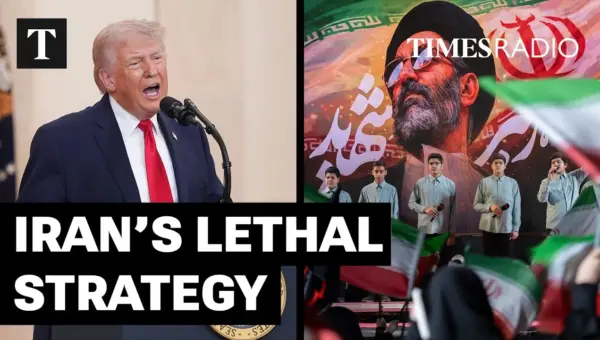
Iran Claims Victory as US Agrees to Ceasefire, Strait of Hormuz Reopens
Iran has claimed a strategic victory after securing a temporary ceasefire with the United States and an agreement to reopen the Strait of Hormuz. U.S. officials confirmed the deal, highlighting the removal of Iran's enriched uranium stockpiles as a key outcome. Experts remain cautiously optimistic, noting the complex geopolitical implications and the potential impact on international relations.
Iran Deal Faces Doubt Amid Ceasefire and Sanctions Talk
A two-week ceasefire between the U.S. and Iran offers a path to negotiations, potentially easing tensions and leading to sanctions relief. However, strong verification of Iran's commitments remains a key challenge for U.S. policymakers.

US, Iran Agree to Ceasefire, Gulf Nations Report New Attacks
The U.S. and Iran have agreed to a two-week ceasefire, de-escalating recent conflict. However, Gulf nations report new drone and missile attacks, expressing concerns over the truce's fragility. Experts question the long-term gains and criticize President Trump's aggressive rhetoric.