Iran Uses Rumors to Gain Market Favor
Unconfirmed reports of Iran's president considering an end to the conflict have boosted markets. However, experts caution this may be a tactic to gain time, citing the regime's 47-year history of using information to its advantage. The underlying geopolitical risks, including the nuclear program, remain significant for investors.

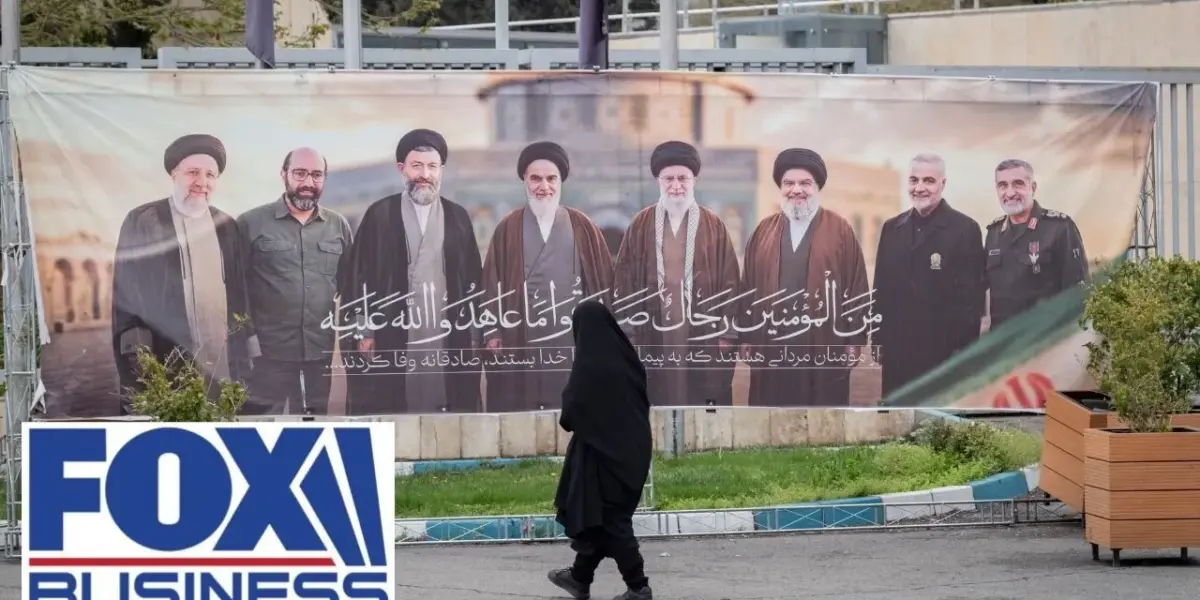
Stocks Surge on Unconfirmed Iran Peace Talks
Markets reacted strongly this week to unconfirmed reports suggesting the Iranian president might be open to ending the current conflict. These reports, previously mentioned on this show and covered by Israeli television, sent a wave of optimism through the financial world. The market’s positive response, however, is being met with caution by foreign policy experts.
Regime’s Tactic: Buying Time with Information
According to foreign policy analysts, the Iranian regime has a history of using unconfirmed information to its advantage. When feeling pressured, they often release stories to media outlets or trusted journalists. This strategy aims to create a narrative that suggests a willingness to de-escalate. It’s a tactic that has been observed for the past 47 years, allowing the regime to gain breathing room. The media often embraces these stories, and financial markets respond positively, creating a win-win situation for the regime.
No Real Change in Sight
While such reports may create a temporary shift in market sentiment, experts stress that this does not signal a new regime or a genuine victory for the United States or Israel. The current leadership structure in Iran is deeply entrenched. Any potential personnel changes within the current system do not represent a fundamental shift. The Iranian people themselves do not view the current regime as legitimate, a sentiment that has persisted for decades. Every leader within the current system must be vetted and approved by the Supreme Leader, making the emergence of a moderate leader from within highly unlikely.
Existential Threat and the Nuclear Program
For Israel, Iran’s actions are seen as an existential threat. The ongoing conflict and the regime’s nuclear ambitions continue to be a major concern. Analysts believe that if the international community provides Iran with more time and accepts minor leadership adjustments, the regime will likely continue its pursuit of nuclear weapons. The fear is that this would lead to further missile development, increased proxy activities, and the suppression of internal dissent, including the killing of protesters.
Psychological Warfare and Historical Irony
Recent military actions, including the reported use of 2,000-pound bombs, are also viewed as part of a psychological warfare strategy. The targeting of significant historical sites, like the ancient city of Ahvaz, which has a 2,500-year history, carries symbolic weight. This irony is not lost on many Iranians who feel nostalgic for a time before the current Islamic Republic. Younger generations, born after the revolution, are reportedly drawn to music and cultural expressions from the 1970s, a period preceding the current regime. This connection to Iran’s pre-revolution heritage highlights a disconnect between the people and the current government, which, notably, does not even include the word ‘Iran’ in its official name.
Market Impact
The immediate market reaction to unconfirmed reports of de-escalation from Iran demonstrates the sensitivity of global markets to geopolitical developments. Investors often price in potential resolutions to conflicts, leading to short-term rallies. However, the underlying issues and the regime’s historical patterns suggest that such rallies may be temporary. The long-term implications depend on whether these reports signal a genuine shift in policy or merely a strategic maneuver by the Iranian government to alleviate external pressure and consolidate its position.
What Investors Should Know
Investors should approach news regarding de-escalation from Iran with a high degree of skepticism. The historical pattern suggests that the regime may use such reports to gain time and international favor without making substantive changes to its policies or its nuclear program. The focus should remain on the fundamental drivers of geopolitical risk in the region, including the nuclear program, proxy activities, and internal stability. While short-term market movements can be significant, a long-term investment strategy should account for the persistent geopolitical complexities associated with Iran.
Source: This is how the Iranian regime BUYS A LIFELINE (YouTube)

Related Articles
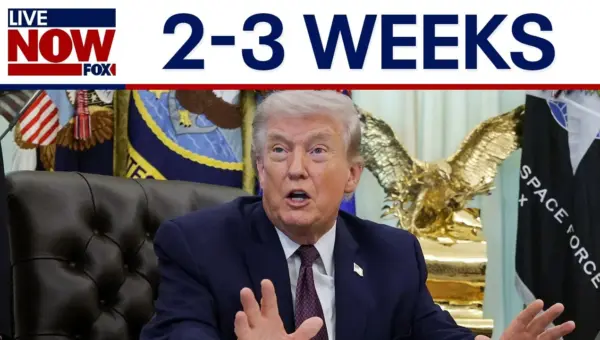
Trump Signs Order on Election Integrity, Addresses Iran
President Trump signed an executive order focused on election integrity, aiming to secure voter rolls and combat mail-in ballot fraud. He also discussed the U.S. withdrawal from Iran, predicting a swift resolution to regional conflict and a drop in oil prices.

Markets Rally as Iran War Hopes Rise, Gas Prices Surge
Markets surged on questionable hopes of an end to the Iran war, while oil prices climbed, pushing gas to over $4 a gallon. President Trump urged allies to secure their own oil amidst shifting tones on the U.S. military campaign and disruptions to the Strait of Hormuz.
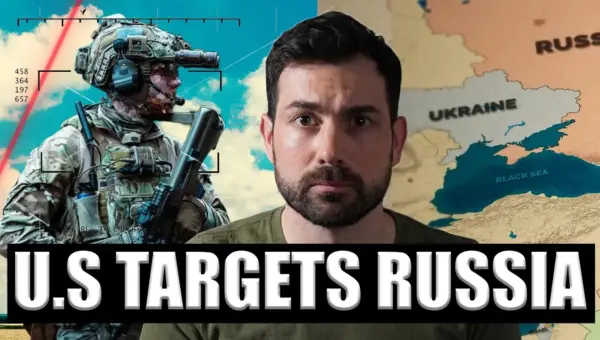
Global Powers Fuel Wars With Real-Time Targeting Data
Global superpowers are increasingly fueling conflicts by sharing advanced targeting data, blurring the lines between proxy wars and direct confrontation. The U.S. provides Ukraine with real-time intelligence, while Russia, China, and Iran collaborate, escalating tensions.