Iran Uses Civilians as Shields Amidst Escalating Tensions
Iran has reportedly deployed civilians as human shields around power plants and bridges amidst escalating tensions and collapsing diplomatic talks. This tactic aims to deter potential attacks by creating a moral dilemma, while official statements deny the use of nuclear weapons. The situation highlights a disturbing trend in modern warfare.

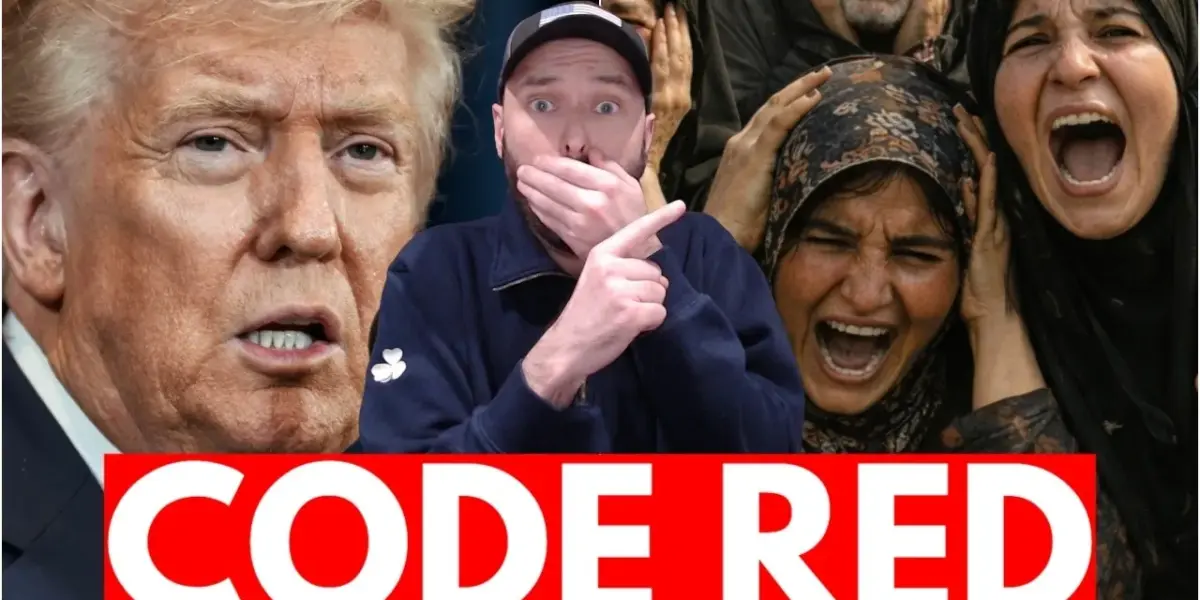
Iran Uses Civilians as Shields Amidst Escalating Tensions
As a critical deadline loomed, reports emerged that Iran was deploying civilians as human shields around sensitive sites. This tactic, intended to deter potential attacks by creating a moral dilemma for an adversary, significantly raised the stakes in an already volatile geopolitical situation. The move came as diplomatic channels appeared to be collapsing, pushing the region closer to a military confrontation.
On April 7th, the clock was ticking down to a reported ultimatum from then-President Donald Trump. The ultimatum, which included a demand regarding the Strait of Hormuz, carried the threat of strikes against key Iranian infrastructure, such as power plants and bridges. The deployment of human shields was seen as a direct response, aiming to make any military action by the United States result in civilian casualties. These casualties, in turn, could be used by the Iranian regime for propaganda purposes, painting the U.S. as the aggressor.
Diplomacy Collapses as Ultimatums Loom
The situation escalated rapidly as negotiations for a ceasefire reportedly broke down completely. Reports indicated that Iran had ceased direct diplomacy with the United States. This breakdown in talks is often a precursor to conflict, as one commentator noted, “When the talking stops, the bullets start flying.” With the deadline approaching, the lack of diplomatic progress meant that military action became an increasingly likely outcome.
President Trump’s administration, as of the video’s filming, was sticking to an 8:00 p.m. Eastern deadline. The action was contingent on the Strait of Hormuz remaining open. Targets were reportedly identified, and plans were in place for an attack if the deadline passed without resolution. However, Iran’s decision to cut off all talks suggested a hardening of its stance, pushing the situation toward a critical point.
The Horrific Reality of Human Shields
The use of human shields is a deeply concerning tactic, often involving the deliberate placement of civilians, including women and children, in areas likely to be targeted. This forces an attacker into an impossible choice: either refrain from striking legitimate military or strategic targets, potentially allowing a hostile regime to continue its actions unchecked, or proceed with the strike and cause civilian deaths. The latter outcome can then be used to garner international sympathy and condemnation against the attacker.
The Iranian regime, according to analysts, would likely attempt to frame these civilians as patriotic supporters. However, the presence of numerous women and children suggested a deliberate strategy to maximize civilian risk. This tactic is widely condemned under international law and humanitarian principles. The U.S. government, in contrast, has historically avoided such methods, emphasizing a commitment to different values.
The Iranian regime will likely try to claim these are proud supporters. We know that. Well, and that there could be some. Let’s not discount the fact there could be some. But what you really have here is a lot of women and children that are being lined up outside the targets and they’re going to force the United States to make what is an impossible decision.
Addressing Fears of Nuclear Weapons Use
Amidst the escalating tensions, fears arose about the potential use of nuclear weapons. However, official statements from the White House, as reported by AFP, clearly denied that nuclear weapons were part of the plan. The narrative that nuclear strikes were imminent was dismissed as fear-mongering, driven by those seeking attention and financial gain.
The argument was made that the U.S. possesses a wide array of conventional, highly destructive weapons, such as 30,000-pound bunker busters, that would be sufficient for any necessary action. There was no strategic or practical need to resort to nuclear arms. The military’s capabilities were described as vast and varied, offering numerous options that did not include nuclear weapons. Therefore, any claims of impending nuclear use were characterized as unfounded and intended to scare the public.
Pre-Ultimatum Strikes and Military Posturing
Even before the 8:00 p.m. ultimatum, a series of strikes had already been carried out against Iranian targets. These included bridges in various provinces, such as Yah Yabad in Isfahan, and others in Tre, Zajan, and Hash Trud. The railway bridge in Treeze and a rail line in Garage were also hit, along with a bridge outside of Qom. Footage showed collapsed bridges, indicating significant damage.
These pre-ultimatum strikes appeared to be focused on infrastructure, particularly bridges, possibly as a prelude to actions against power plants. At the time of reporting, fighter jets were observed flying at very low altitudes over Tehran. The Israeli Defense Forces (IDF) also released footage of air defense sites being struck, an apparent effort to clear airspace and prevent aircraft from being shot down, referencing a past incident involving an F-15.
Furthermore, B-2 stealth bombers were reported to be active, conducting bombing runs from Whitman Air Force Base. This military activity demonstrated a readiness to execute strikes and maintain pressure on Iranian forces. The deployment of advanced stealth bombers signaled a significant commitment to the operation.
Advisories Issued to Foreign Nationals
The gravity of the situation was underscored by advisories issued to foreign citizens in the region. The U.S. government advised its citizens in Bahrain to shelter in place, stay away from windows, and seek secure structures. This was a precautionary measure, anticipating potential missile responses from Iran that could affect surrounding areas.
Similarly, the Indian Ministry of External Affairs issued an advisory to its nationals in Iran. They were urged to stay away from military installations, multi-story buildings, and power plants. These warnings highlighted the widespread danger and the potential for retaliatory actions that could impact civilian populations and infrastructure across the region.
Why This Matters
The use of human shields represents a disturbing escalation in conflict tactics, blurring the lines between combatants and civilians and complicating any potential military response. It forces a difficult ethical and strategic calculus for the targeted nation. The situation also highlights the fragility of diplomatic solutions in the face of hardened stances and the potential for miscalculation to lead to widespread conflict.
The denial of nuclear weapon use, while reassuring, also points to the heightened rhetoric surrounding such conflicts. It underscores the importance of clear communication from official sources to prevent the spread of misinformation and panic. The advisories to foreign nationals illustrate the tangible risks to civilian populations caught in the crossfire of international disputes.
Trends and Future Outlook
This incident reflects a broader trend of asymmetric warfare, where non-state actors or regimes facing superior conventional military power resort to tactics that exploit international norms and humanitarian concerns. The use of human shields is a tactic that has been seen in other conflicts, often employed by groups seeking to maximize their leverage and international impact.
The future outlook remains uncertain, heavily dependent on the de-escalation or escalation of diplomatic and military actions. The reliance on advanced conventional weaponry by major powers, contrasted with the use of human shields by adversaries, suggests a continued evolution in the nature of warfare. Future conflicts may increasingly involve sophisticated technological capabilities on one side and the deliberate entanglement of civilian populations on the other, posing profound challenges for international law and humanitarian efforts.
Historical Context
The use of human shields has a long and grim history, dating back to ancient times. Throughout modern history, various regimes and non-state actors have employed this tactic to deter attacks, particularly against civilian infrastructure that also serves strategic purposes. It gained significant international attention during conflicts in the late 20th and early 21st centuries, where it was used to shield military targets or government buildings.
The international community has consistently condemned the practice, and it is considered a war crime under international humanitarian law. However, its effectiveness in creating political and moral dilemmas for opponents has sometimes led to its repeated use, despite the condemnation and legal ramifications.
Source: Iran DEPLOYS Human Shields For Trump's Attack – Will NUKES Be Used? (YouTube)

Related Articles


Trump Threatens Iran With ‘Demolition’ Amid Impeachment Talk
President Trump issued a stark warning to Iran, threatening widespread demolition of its infrastructure if a deal isn't reached. Meanwhile, domestic politics heat up as an Arizona Democrat plans to introduce articles of impeachment against Secretary of War Pete Hegseth, though success is unlikely in the current political climate.

Trump’s ‘Civilization Dies’ Threat Sparks War Crime Fears
Former President Donald Trump's social media threat that "a whole civilization will die tonight" has sparked international outcry, with experts warning of potential war crimes. Analysts question the feasibility of such an attack and its devastating implications for regional stability and international law.

Trump’s Civilization Threat Sparks Global Alarm
President Trump's stark warning of "civilizational destruction" in Iran has ignited global concern, raising questions about diplomatic norms and the potential for wider conflict. As communications break down and military actions escalate, the world watches anxiously for de-escalation or further confrontation.