Iran, US, Israel: Analyzing Goals Amidst Escalating Middle East Conflict
As the Middle East teeters on the brink of wider conflict, this analysis delves into the strategic goals and limitations of Iran, the US, and Israel. Iran prioritizes regime survival amidst leadership losses, employing a strategy of attrition through missiles and drones. The US faces unclear objectives and domestic constraints, while Israel focuses on neutralizing Iranian threats and preventing nuclearization.


Iran’s Primary Goal: Regime Survival Amidst Leadership Losses
In the volatile landscape of the Middle East, the recent US-Israeli strikes on Iran have heightened fears of a wider conflict. As the situation unfolds, understanding the primary goals and limitations of key players – Iran, the United States, and Israel – is crucial. For Iran, the immediate aftermath of strikes that have reportedly eliminated top leadership, including the Supreme Leader, has placed regime survival at the forefront of its agenda. This focus underscores the resilience of the Iranian system, which has prepared for such contingencies through constitutional processes designed to ensure continuity.
The leadership’s current objective appears to be a preservation of power, aiming to quell any potential internal unrest or protests that could challenge the regime’s authority. The Iranian constitution outlines a succession process, though recent assassinations have disrupted this flow, raising concerns about the safety of high-level officials gathering. While the constitutional framework remains, the practical implementation might see a shift in influence, with various spheres of power potentially playing a more significant role than the clergy.
Iran’s Military Strategy: Attrition and Cost Imposition
Iran’s military strategy appears to be centered on imposing costs and deterring further attacks, primarily through missile and drone capabilities. Historically, Iran has relied on its missile program to dissuade Israeli or US strikes, anticipating that the threat of retaliation would outweigh the benefits of an attack. However, recent operations, including “Operation Promise One” and “True Promise Two” in late 2024 and early 2024, have highlighted the limitations of this strategy, with missiles not proving as effective as perhaps intended.
The current targeting of the Gulf and Israel appears to be an attempt to inflict economic and population costs, and crucially, to dissuade greater involvement from Gulf states. By pressuring these nations, Iran hopes to influence the United States to cease military activity. This strategy of attrition is also a compensatory measure for Iran’s lack of advanced conventional military capabilities. While not entirely successful as planned, Iran’s actions demonstrate an ability to disrupt trade flows, markets, and civilian livelihoods.
The Role of Drones in Iran’s Arsenal
Drones have played a more prominent role in recent conflicts compared to previous strikes. Iran’s focus has been on Gulf infrastructure and civilian targets in closer proximity, aiming to exhaust the interceptor capabilities of the US and its Gulf allies. This low-cost strategy seeks to deplete valuable interceptor stocks, potentially incentivizing the US and its partners to conclude the conflict.
The Drone vs. Interceptor Dynamic
The strategic advantage of drones lies in their low manufacturing cost compared to the high expense of interceptor missiles. Iran highlights the cost-prohibitive nature of engaging its drone swarms, especially given existing strains on US munitions production and depleted interceptor stocks from previous escalations. Iran’s ability to rapidly produce variants of drones like the Shahed at a relatively low cost, even after being cut off from advanced technology, presents a significant challenge.
Constraints on Iran’s Military Capabilities
Iran’s ability to sustain its military operations is subject to significant constraints, particularly concerning its missile and drone stockpiles. Analysts note that Iran has been conserving its missile reserves, evidenced by smaller salvos in recent retaliatory actions. The destruction or damage to missile facilities during previous strikes, coupled with a perennial issue of limited and targeted launchers, further restricts Iran’s offensive capacity.
While Iran has sought to reconstitute its mid-range ballistic missile capabilities, the availability and condition of launchers remain a bottleneck. Shorter-range ballistic missiles, which were less targeted and used primarily in the final stages of retaliation, may represent a more preserved capability, though recent US targeting has reportedly shifted to these facilities as well.
Uncertainty Surrounding Drone Stockpiles
The exact size of Iran’s drone stockpile remains unclear, with conflicting reports and no consistent figures. However, the intensity and scale of drone usage suggest a substantial reserve. While production costs are low (estimated between $50,000-$100,000 per drone), they are still significant compared to the cost of interceptors. Iran’s ability to produce additional drones within days or weeks, however, remains a key factor.
US Goals: Unclear Objectives Amidst Shifting Strategies
The United States’ objectives in the current conflict have been characterized by inconsistency, with justifications for potential strikes oscillating between nuclear proliferation, ballistic missile programs, and historical grievances. Operationally, targeting Iranian leadership and military facilities suggests an intent to degrade the regime and potentially facilitate a change in government. However, the US’s long-term endurance for such a strategy, especially with potential negotiations or a limited conflict duration, remains uncertain.
The “day after” scenario and the figures the US administration might engage with in Iran remain undefined. As casualties, including American servicemen, rise, the cost of the war, both human and economic, particularly concerning oil market disruptions, will likely influence the duration of US involvement.
Constraints on US Operations
While the US possesses advanced military capabilities that can sustain operations for several weeks, its primary constraints appear to be domestic: public reaction, market volatility, and the upcoming midterm elections. A prolonged or unsuccessful military campaign, especially if regime change efforts fail to yield a stable Iranian government, could significantly tarnish the Trump administration and impact electoral outcomes.
The operational success of US and Israeli forces in degrading Iranian capabilities is notable. However, the potential for unintended consequences, such as fostering internal conflict, regional destabilization, or the rise of a more repressive Iranian government, raises questions about whether military objectives align with desired political outcomes.
Israel’s Clearer Objectives: Neutralizing Threats and Preventing Nuclearization
Israel’s goals in the conflict appear more cohesive, primarily focused on degrading Iran’s military capabilities, eliminating the threat posed by its ballistic missile program, and preventing it from acquiring nuclear weapons. While statements suggest a desire for a regime change in Iran, the immediate priority for Israel lies in neutralizing Iranian retaliatory capabilities and ensuring enrichment levels do not reach weaponization thresholds.
Although Israel has supported opposition groups within Iran, its ambitions seem more long-term and strategically defined compared to the more recent and seemingly reactive approach of the US administration.
Constraints on Israel
Israel’s operational constraints include its reliance on US support for crucial assets like tankers and the replenishment of air defense munitions. The psychological cost of Iranian missile attacks on civilian areas and domestic political pressures also weigh on Israeli decision-making. Ultimately, Israel’s willingness to continue operations may be significantly influenced by the US’s sustained commitment.
Wildcards: Gulf States and Russia
The potential involvement of Gulf states and Russia introduces further complexity. Iran’s targeting of Gulf nations aims to impose costs and pressure them towards a resolution, but it could also provoke direct military intervention. A more escalatory scenario could see Gulf states actively participating in operations against Iran, leading to a broader regional conflict. Conversely, the economic repercussions might push these states to mediate and seek a de-escalation.
Russia’s role remains limited, particularly given the short duration of past conflicts. While Iran has provided drones to Russia, the negotiation and delivery of material support can be a lengthy process, contingent on Russia’s own capabilities and willingness to engage, especially if the conflict escalates significantly.
Looking Ahead: Signals and Potential Developments
In the coming days, key indicators to watch include Iran’s sustained ability to launch missiles, the process of selecting a new Supreme Leader and the potential shift in power dynamics within Iran’s leadership, and the stance of hardliners. For the US, potential diplomatic backchannels, congressional pushback on the War Powers Act, and internal party divisions could signal shifts in strategy. Israel’s actions, such as a more forceful targeting strategy or any divergence from US policy, will be crucial. The response of Gulf states to continued Iranian provocations, particularly concerning the Strait of Hormuz, and any potential mediation efforts by countries like Oman, will also shape the conflict’s trajectory.
Source: Iran, US, Israel: Analyzing their goals & limitations | DW News (YouTube)

Related Articles


US Strikes Iran to Neutralize Missile Threat, Official Says
U.S. Secretary of State Marco Rubio confirmed a proactive military operation against Iran, aimed at dismantling its ballistic missile capabilities. The strike was deemed necessary to prevent Iran from acquiring the power to threaten global security, with officials emphasizing a defensive posture to avert future escalation and casualties.
Israel Unveils Ambitious War Aims: Target Iran’s Nuclear Program
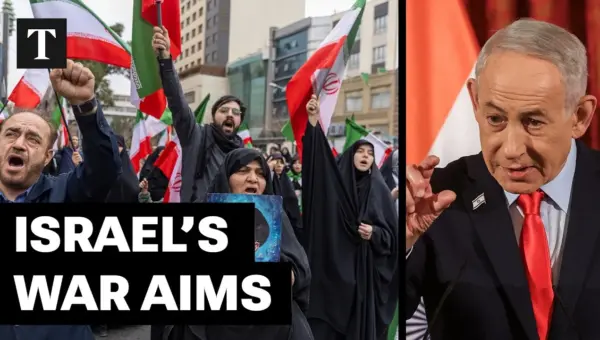
Israel has declared three primary war aims in its conflict with Iran: the complete eradication of its nuclear program, the cessation of ballistic missile production, and the empowerment of the Iranian people to overthrow their current regime. Spokesperson Alex Gandler detailed the strategy, acknowledging the ambitious nature of the goals and highlighting the importance of Iranian internal support and international cooperation.
Retired US General Stuck in Dubai Amid Regional Unrest
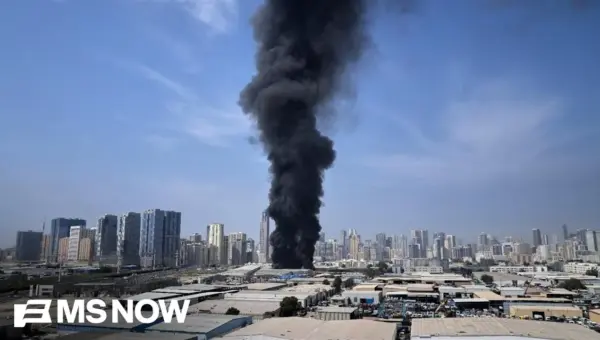
Retired U.S. Army Major General Randu Manor is among tens of thousands stranded in Dubai following regional unrest. He describes the situation as "surreal" and expresses disappointment with the U.S. government's response compared to allies.