Iran Unleashes Missile Barrage, Escalating Middle East Conflict
Iran has launched a significant ballistic missile attack on Israel, breaching air defenses and causing casualties. The conflict is escalating with U.S. responses and failed diplomatic efforts, signaling a potentially prolonged period of military engagement.

Iran Unleashes Missile Barrage, Escalating Middle East Conflict
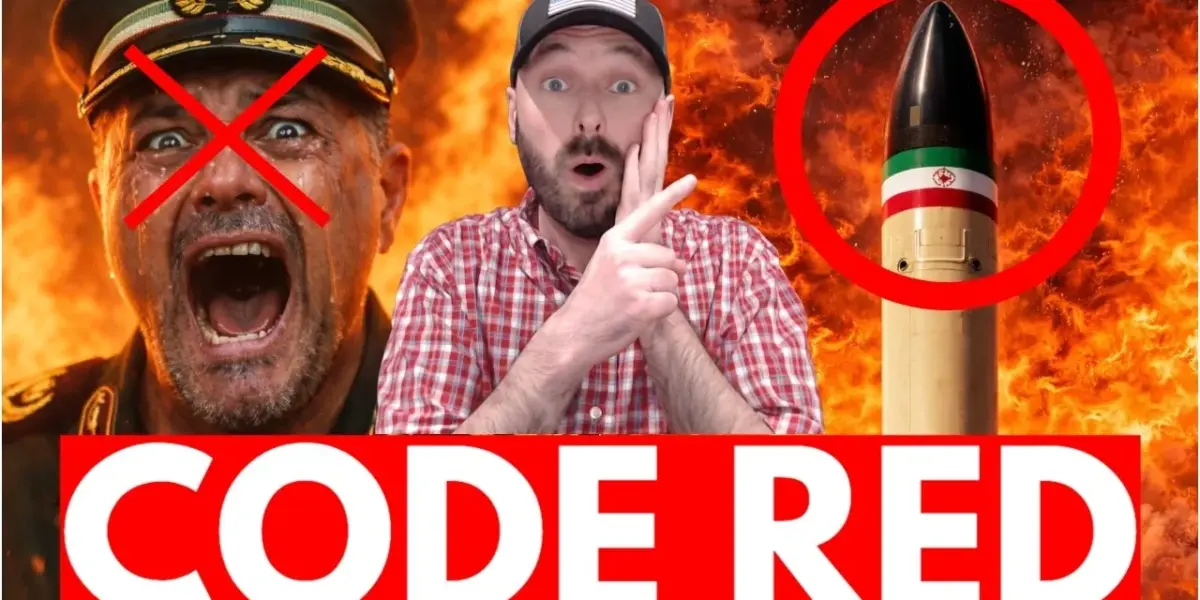
The Middle East is facing a significant escalation of conflict following a direct, large-scale ballistic missile attack by Iran on Israel. This attack, which occurred on April 5th, saw Iranian missiles breach Israel’s air defenses, striking both industrial sites and residential areas. The strikes resulted in casualties, with reports of people missing and potentially trapped under rubble in areas like Haifa.
A Direct Challenge to Air Defenses
The attacks highlight Iran’s continued capability to launch significant volleys of ballistic missiles and drones. Israeli assessments suggest Iran possesses at least a thousand ballistic missiles and thousands of drones. While Israel’s air defense systems are advanced, the sheer volume and type of projectiles used in this latest barrage managed to penetrate, causing damage and casualties. Images from the affected sites show widespread destruction, with buildings completely flattened and rescue efforts underway to reach those feared trapped.
Hezbollah Joins the Assault
The Iranian assault was not an isolated event. Hezbollah, operating from Lebanon, also launched rockets and drones towards Israel. Some of these projectiles also bypassed air defenses, adding to the pressure on Israel’s defensive systems and contributing to the overall intensity of the attacks. This coordinated action from Iran and its proxy forces underscores a broader regional strategy aimed at overwhelming Israeli defenses.
Targeting Regional Infrastructure
Beyond direct strikes on Israel, Iran has also targeted regional oil infrastructure. The Bapco refinery in Bahrain reportedly caught fire after an Iranian attack, possibly involving a ballistic missile or drone. This targeting of oil production facilities is a serious development, as it directly impacts global energy supplies and is likely to provoke strong responses from major global powers, including the United States.
US Response and Special Operations
In response to the escalating situation, the United States has continued its bombing campaign against targets associated with Iran. U.S. Central Command (CENTCOM) released footage showing American forces taking down Iranian drones intended to threaten U.S. interests and civilians in the region. Furthermore, a remarkable U.S. special forces operation saw the successful rescue of an American weapons officer from an F-15. This operation, which took place within Iran, involved intelligence gathering, high-level authorization from President Trump, and a rapid deployment of special forces, demonstrating significant U.S. military capability in a highly contested environment. The U.S. military also deployed B-52 bombers loaded with cruise missiles, indicating a readiness for further strikes.
Elimination of Senior Leaders
Alongside the missile and drone exchanges, there has been a concerted effort to eliminate senior Iranian military leaders. Reports indicate that Mustafa Azizi, a naval commander in the Revolutionary Guards, was killed in an airstrike in Ahvaz. This marks a pattern of striking high-value targets, with multiple senior Iranian military figures reportedly killed in recent days. These actions suggest a strategy of degrading Iran’s military leadership and operational capacity.
Diplomacy Collapses, Conflict Continues
Efforts to de-escalate the conflict through diplomatic channels appear to have failed. Iran has reportedly rejected a proposal to open the Strait of Hormuz in exchange for a temporary ceasefire. Officials familiar with the matter have indicated that negotiations with Iran have yielded no results, suggesting a continued path of military engagement. In response to this diplomatic deadlock, Israel is reportedly planning further strikes targeting Iran’s energy and infrastructure, signaling a commitment to a prolonged period of intense military action.
Why This Matters
The direct missile attacks by Iran on Israel, coupled with retaliatory strikes and ongoing operations by the United States and its allies, represent a dangerous escalation in the Middle East. The breaching of Israeli air defenses by ballistic missiles is a stark indicator of evolving threats. The targeting of oil infrastructure and the apparent collapse of diplomatic efforts point towards a prolonged and potentially wider conflict. The success of the U.S. special forces rescue mission within Iran also highlights the complex and direct nature of the current confrontation. The ongoing elimination of senior military leaders on both sides suggests a strategy of attrition, which could lead to further unpredictable responses.
Implications and Future Outlook
The current trajectory suggests a high likelihood of continued military exchanges. Iran’s demonstrated ability to launch significant missile attacks, combined with its willingness to target regional infrastructure, poses a substantial threat to global stability and energy markets. The United States and its allies appear committed to retaliatory strikes and the degradation of Iranian military capabilities. The failure of diplomatic initiatives implies that de-escalation will be difficult to achieve in the short term. The regional implications are vast, potentially drawing in more actors and exacerbating existing tensions. The coming weeks will be critical in determining whether this escalation can be contained or if it will spiral into a broader regional war.
Historical Context
The current conflict is rooted in decades of complex geopolitical tensions between Iran and Israel, often playing out through proxy forces and indirect confrontations. However, this direct exchange of ballistic missiles marks a significant departure from previous patterns. The U.S. involvement reflects its long-standing security commitments in the region and its opposition to Iran’s nuclear program and regional influence. The targeting of oil infrastructure echoes historical tactics used to disrupt economies and exert pressure during times of conflict.
Source: Major Iran Leader KILLED – Ballistic Missiles HAMMER Israel (YouTube)

Related Articles
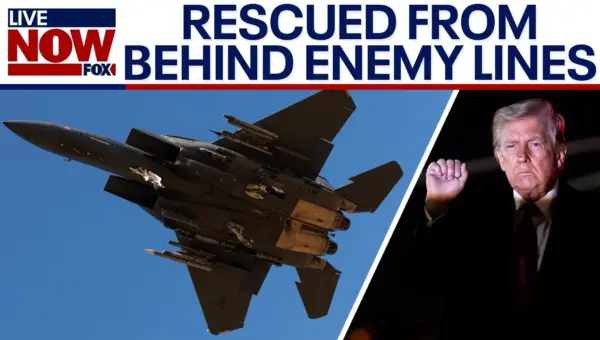
US Rescues Fighter Pilot Deep Inside Iran
The U.S. military successfully executed a daring rescue operation to recover a downed fighter pilot deep inside Iran. The mission involved elite Navy SEALs and a complex strategy, highlighting the military's commitment to saving its personnel in hostile territory.
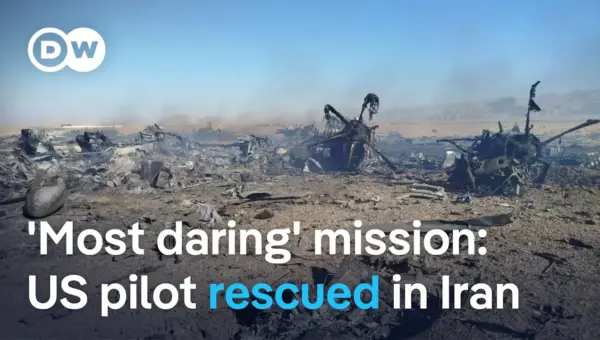
US Airman Rescued from Iran in Daring Special Ops Mission
U.S. forces executed a daring rescue of an airman downed in Iran, marking a significant military operation. The airman survived 24 hours in harsh terrain before being recovered by elite Navy SEALs in a complex mission that involved destroying U.S. aircraft.


Trump’s Iran Threat: ‘Not Sane Messaging,’ Says Ex-Air Marshal
A U.S. airman was rescued after his F-15 jet was shot down over Iran, a mission President Trump lauded. However, Trump's subsequent aggressive threats towards Iran have drawn sharp criticism from former Air Marshal Greg Bagwell, who called the messaging 'not sane.' The operation highlighted the risks involved and raised questions about Iran's capabilities.