Iran Under Siege: Fighter Jet Downed Amidst Barrage
An Iranian fighter jet was shot down by an Israeli F-35 amidst a relentless bombing campaign targeting Iran's military infrastructure. Footage reveals widespread destruction, while Iran continues to launch ballistic missiles, indicating a brutal and escalating conflict.

Iran Under Siege: Fighter Jet Downed Amidst Barrage
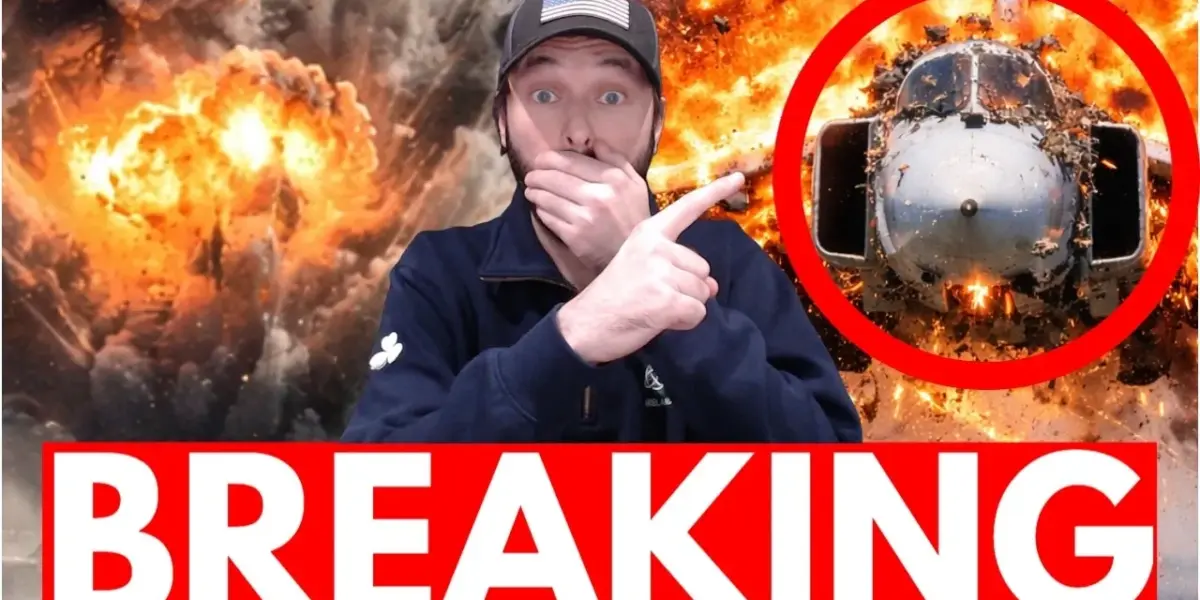
The skies over Iran have become a brutal theater of war, with recent footage revealing an Iranian fighter jet being shot down by an Israeli F-35. This incident, captured from the F-35’s cockpit, marks a significant escalation in the ongoing conflict, showcasing a direct aerial confrontation between advanced military assets. The visual evidence is stark: a highlighted Iranian Yak 130 targeted, missiles launched, and the aircraft engulfed in flames as it plummets from the sky. This air-to-air kill is not an isolated event in the broader context of relentless aerial bombardment that continues to rain down on Iran.
A Barrage of Strikes Across Iranian Territory
The downing of the fighter jet coincides with a sustained and intense bombing campaign targeting various Iranian military installations. Footage depicts massive explosions and heavy smoke emanating from Sadage, identified as a key Iranian military base. The bombardment extends to an IRGC base, shown to be completely flattened and obliterated. Further strikes in Basher, Iran, illustrate the widespread nature of the attacks, with smoke visible everywhere and explosions occurring in close proximity to civilian areas, as evidenced by footage near a car. The Ali barracks, an IRGC and Iranian army military complex south of Sadage, is also shown being pummeled, with explosions audible in the distance and smoke rising across the site.
The intensity is described as being “cranked up,” with a significant explosion reported near Aadi Stadium in Thyron. This location is notable as it was reportedly the site of an IRGC meeting that was targeted by the United States. In a rapid escalation, reports indicate that within a 40-minute window, approximately 30 Iranian police stations were struck, demonstrating a broad targeting of any available assets. The city of Thyron itself appears to be burning, with further footage showing multiple ships at the Bandar Abbas naval base engulfed in flames. The United States is actively targeting the Iranian Navy, with specific footage showing the missile launcher ship, IRS Shahed Shirazi, being struck off Bandar Abbas.
Iran’s Continued Resistance and Asymmetric Warfare
Despite the overwhelming aerial assault, Iran is far from out of the fight. On March 5th, the same day this footage emerged, Iran released its own footage of ballistic missile launches, with missiles reportedly bound for Israel. This highlights Iran’s continued capability to project force and retaliate, even under heavy pressure. The conflict is characterized by a brutal exchange, with missiles flying in both directions. Evidence of Iranian offensive actions includes a reported strike on an oil tanker near Kuwait, which was allegedly bombed by Iranian forces. Furthermore, drone strikes have been reported in Azerbaijan, indicating the reach and diversification of Iran’s asymmetric warfare capabilities.
Targeting Launch Capabilities and Disinformation
The United States and Israel are systematically targeting Iran’s missile launch capabilities. Footage shows the IDF striking a ballistic missile launcher and the crew manning it, followed by massive explosions. Drone warehouses and ballistic missiles are also being destroyed. A particularly chilling moment captured shows a ballistic missile launcher near Cal, primed to fire, being hit just before launch. Beyond conventional targets, air defense systems around Isfahan are being dismantled, with surface-to-air missiles being neutralized. In a peculiar incident, an Iranian ballistic missile launched at Turkey was reportedly blown up in the atmosphere, possibly due to a malfunction or defensive action.
Centcom has released footage showcasing the US striking a variety of targets, including drones and aircraft hangars, with multiple fighter jets seen being destroyed on the ground. The stated objective is to eliminate the Iranian regime’s mobile missile launch capabilities through “lethal precision.” This includes targeting the trucks that transport these launchers, rendering them inoperable. Amidst this intense military activity, a wave of disinformation has circulated. Reports of a failed US parachute invasion resulting in the death of all US troops, and claims of an American F-15 being shot down by Iranian air defenses, have been explicitly debunked by Centcom. It is crucial to distinguish between verified facts and unsubstantiated rumors in the fog of war.
Why This Matters
The ongoing conflict between Iran, the United States, and Israel represents a critical juncture in Middle Eastern geopolitics. The visual evidence of an Iranian fighter jet being shot down and widespread destruction across Iranian military infrastructure underscores the severity of the current confrontation. This is not merely a regional skirmish but a complex interplay of state-sponsored warfare, asymmetric tactics, and the persistent threat of misinformation. The technological disparity, exemplified by the F-35’s air-to-air kill, suggests a significant advantage for the US and Israeli forces in conventional air power. However, Iran’s continued launch of ballistic missiles and drone attacks, coupled with its targeting of naval assets and potential strikes beyond its immediate borders, demonstrates a determined will to resist and retaliate.
Implications, Trends, and Future Outlook
The current trajectory indicates a war that is becoming increasingly brutal and destructive. The around-the-clock bombing campaigns, targeting everything from military bases and missile launchers to police stations and naval vessels, suggest a strategy aimed at crippling Iran’s military capacity. The simultaneous Iranian efforts to launch ballistic missiles towards Israel and conduct drone attacks indicate a strategy of attrition and deterrence. The reported targeting of civilian infrastructure, such as the oil tanker near Kuwait and the potential strike on a stadium used for meetings, raises concerns about the widening scope of the conflict and the potential for civilian casualties.
The proliferation of disinformation, as seen with the false reports of a US invasion and downed aircraft, highlights the critical role of information warfare in modern conflicts. Verifying information and relying on credible sources is paramount for understanding the true state of affairs. The future outlook suggests a prolonged and potentially escalating conflict. Both sides appear committed to their objectives, with Iran demonstrating resilience and a capacity for asymmetric response, while the US and Israel leverage superior conventional military power. The risk of miscalculation or unintended escalation remains high, particularly given the involvement of regional and potentially international actors.
Historical Context and Background
The current hostilities are rooted in decades of geopolitical tension between Iran, the United States, and Israel. Following the 1979 Iranian Revolution, relations between Iran and the US deteriorated significantly, marked by events like the Iran hostage crisis. Israel and Iran, once allies, became adversaries, particularly after the revolution, with shared concerns over regional influence and security. Iran’s pursuit of nuclear capabilities and its support for various proxy groups across the Middle East have been consistent sources of friction. The US and Israel view Iran’s actions as destabilizing, while Iran perceives these external pressures as attempts to undermine its sovereignty and regional standing. The current military actions can be seen as an intensification of these long-standing rivalries, potentially triggered by specific recent events or a calculated strategic shift by the involved parties.
Source: Fighter Jet SHOT DOWN As Bombs LIGHT UP Iran *ATTACK FOOTAGE* (YouTube)

Related Articles
US Torpedoes Iranian Ship in Historic Indian Ocean Strike
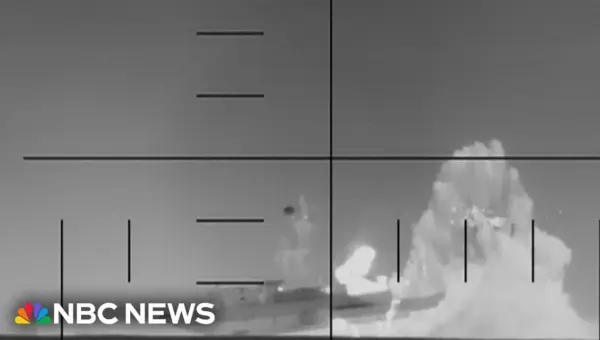
The U.S. military has struck an Iranian ship in the Indian Ocean with a torpedo, marking a historic first since World War II. As the conflict escalates, Pentagon officials claim near control of Iranian airspace, while thousands of Americans remain stranded and the human cost mounts.

Iran Rocked by Blasts Amid Escalating U.S.-Israeli Strikes
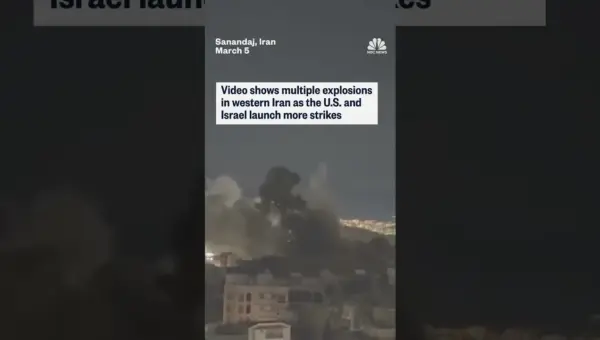
Multiple explosions have been reported across Iran amid intensifying U.S. and Israeli strikes, signaling a significant escalation in regional geopolitical tensions. The exact nature and targets of the strikes remain unclear, but they occur against a backdrop of heightened instability in the Middle East.
Global Chaos: US Faces Crisis as Ukraine Tech Becomes Key
The world is facing unprecedented global chaos as the US finds itself seeking critical defense technology from Ukraine. Meanwhile, escalating conflicts in the Middle East are disrupting global energy markets and reshaping international alliances, with China emerging as a key mediator.