Iran Under Siege: Air and Sea Assaults Devastate Regime Targets
Iran is currently facing an intense aerial and naval bombardment, with widespread strikes targeting its military infrastructure and ships. The offensive, involving advanced weaponry and coordinated efforts by the US and Israel, marks a significant escalation with profound implications for regional stability.

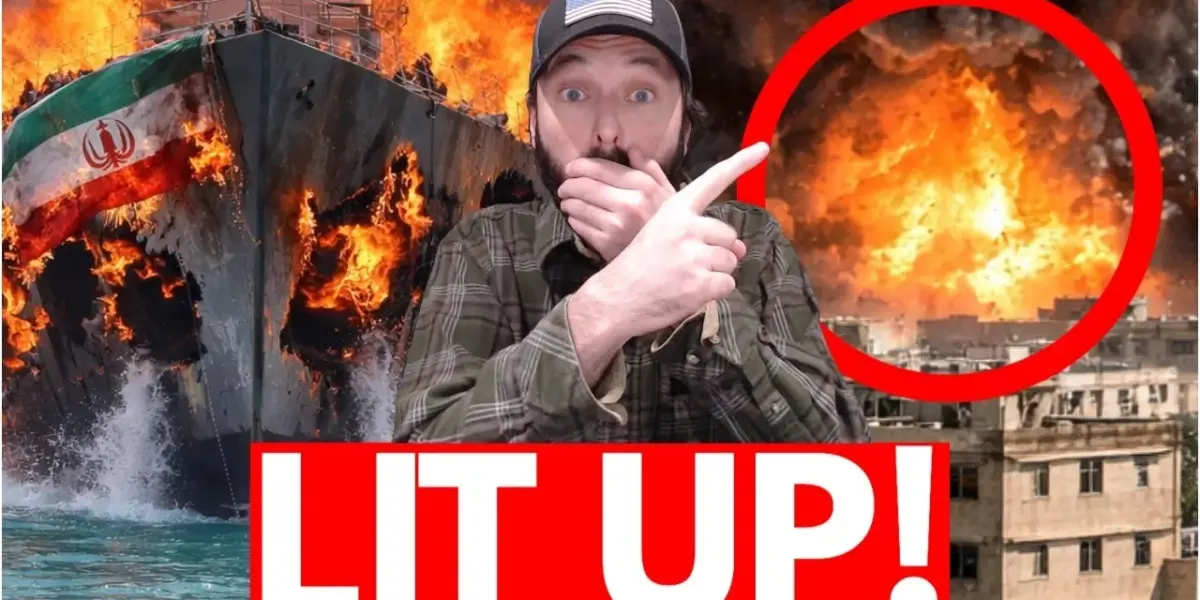
Iran Under Siege: Air and Sea Assaults Devastate Regime Targets
In a dramatic escalation of regional tensions, Iran finds itself under intense aerial and naval bombardment, with footage emerging of widespread strikes targeting the Islamic regime’s military infrastructure and naval assets. The offensive, described as some of the largest waves of air strikes seen on Iran’s capital and various other locations, paints a grim picture for the Iranian leadership. This analysis delves into the reported strikes, the implications for regional stability, and the broader context of the ongoing conflict.
Aerial Assaults Pummel Tehran and Beyond
Shocking footage has surfaced depicting extensive air strikes on Iran’s capital, Tehran, with bombers and fighter jets unleashing a barrage of ordnance. The visual evidence, described as “stunning,” shows massive explosions and vast plumes of smoke engulfing targeted areas. Reports indicate that these strikes are aimed at the Islamic Revolutionary Guard Corps (IRGC) and “Islamic dictatorship” targets, with the stated intention of protecting the Iranian populace.
The scale of the aerial offensive is compared by some observers to the bombing campaigns seen during the 2003 invasion of Iraq, with “Baghdad bombers lighting up targets on the ground.” Eyewitness accounts within the footage suggest a level of public support for these strikes, with individuals reportedly laughing and expressing enjoyment as the regime’s assets are hit. This sentiment, if widespread, could indicate deep-seated discontent with the current Iranian leadership among segments of the population.
Beyond the capital, air strikes have also reportedly hit an Iranian army base in the Kurdish city of Banet, leaving it destroyed. Furthermore, strikes have targeted border regions in cities like Pava and Sanandaj, hitting border posts, bases, and police stations. These operations, attributed to a joint US and Israeli effort, could potentially create an opening for Iranian Kurdish militant groups to advance from Iraqi Kurdistan into western Iran.
Naval Losses Mount as Iranian Fleet Suffers Heavy Blows
The assault extends to Iran’s naval capabilities, with multiple reports of Iranian ships being sunk. The IRGC Navy’s Iris Shahed Sed Shirazi Solamani class corvette warship was reportedly targeted and sunk in Bandar Abbas. Footage shows the vessel engulfed in smoke and sinking into the water.
In a more significant development, the Iranian Navy’s Moge class frigate Dena was reportedly sunk by a US submarine near Sri Lanka. While 32 sailors were reported injured and rescued, 148 remain missing. The frigate was reportedly returning from an international fleet review.
Perhaps the most critical naval loss cited is the sinking of Iran’s most important submarine, the Iris Fatab. This submarine was reportedly being prepared to counter US aircraft carriers in the Gulf. Its destruction by US forces marks a significant blow to Iran’s naval deterrent capabilities.
Advanced Weaponry Deployed in the Offensive
The offensive appears to involve the deployment of advanced weaponry by the US and its allies. US Central Command (CENTCOM) has announced the use of new capabilities, including long-range precision strike missiles known as PRISM, which provide an “unrivaled deep strike capability.” Additionally, CENTCOM’s drone task force, Task Force Scorpion Strike, has launched “countless one-way attack drones.” Notably, these drones are described as being based on an original Iranian design, modified and improved by the US.
In addition to US actions, Israeli forces are also reported to be actively engaged. Footage shows an Israeli F-35 shooting down an Iranian fighter jet, highlighting the technological disparity between the air forces. Israeli strikes have also reportedly hit targets in Isfahan, including what appears to be a radar station, and an Iranian attack helicopter supplied by Russia.
A US drone strike also reportedly destroyed an Iranian ballistic missile launcher along a highway in Bushehr Province. Furthermore, an IRGC base near Nav Square in Kermanshah has been obliterated.
Iran’s Response and Declining Capabilities
Despite reported attempts by Iran to project strength through missile launches, the effectiveness of these efforts appears diminished. Videos published by the IRGC showing rocket and missile launches have been met with skepticism, particularly after a reported attempt to launch missiles towards Israel saw none reach their target. The overall rate of Iranian missile fire is said to have decreased significantly since the conflict began.
The disparity in air power is stark, with Iranian pilots reportedly flying aircraft from the 1970s against advanced US and Israeli stealth fighter jets. This technological gap significantly increases the risk of Iranian aircraft being shot down.
Why This Matters
The reported strikes against Iran represent a significant escalation with far-reaching implications. For the Iranian regime, the loss of key naval assets and the continuous pounding of military infrastructure pose a severe threat to its operational capabilities and strategic standing. The psychological impact on the leadership, coupled with potential internal dissent highlighted by the public’s reaction in some footage, could lead to unpredictable responses.
For the region, this escalation heightens the risk of a wider conflict. The involvement of the US and Israel in such direct and sustained attacks against Iran signals a potential shift in strategic calculus. The potential for Iranian proxy forces or direct retaliation could draw other regional actors into the fray, further destabilizing an already volatile Middle East.
The deployment of new and advanced weaponry by the US, such as PRISM missiles and sophisticated one-way attack drones, underscores the evolving nature of modern warfare. The ability to conduct deep strikes with precision and the use of repurposed drone technology signal a significant advantage for the attacking forces.
Historical Context and Future Outlook
The current events unfold against a backdrop of decades of tension between Iran and Western powers, particularly the US and Israel. The Islamic Revolution of 1979 marked a turning point, ushering in an era of ideological opposition and proxy conflicts. Iran’s pursuit of nuclear capabilities and its support for regional militant groups have been persistent sources of international concern.
The current offensive can be seen as a culmination of these long-standing grievances, potentially triggered by recent provocations or a strategic decision by the US and its allies to degrade Iran’s military capacity more directly. The historical pattern of such conflicts often involves a cycle of escalation, retaliation, and a precarious balance of deterrence.
The future outlook remains uncertain. The intensity and duration of these strikes will likely depend on geopolitical calculations, the effectiveness of the current campaign in achieving its objectives, and the Iranian regime’s capacity and willingness to retaliate. The risk of miscalculation remains high, and the potential for a broader regional war looms large. The international community faces the challenge of de-escalation while addressing the underlying causes of the conflict.
Source: Bombers BURN Iran Down – U.S. Subs TORPEDO Iran's Ships (YouTube)

Related Articles


Congressman Slams White House: No Case Made for Iran War
Congressman Raja Krishnamoorthi criticized the Trump administration's lack of a clear case for military action against Iran, citing "deeply unsatisfactory" briefings. He highlighted unanswered questions about objectives, duration, and endgame, expressing concern over entering another "endless war."
US, Israel Escalate Attacks on Iran Amid Widening Middle East Conflict
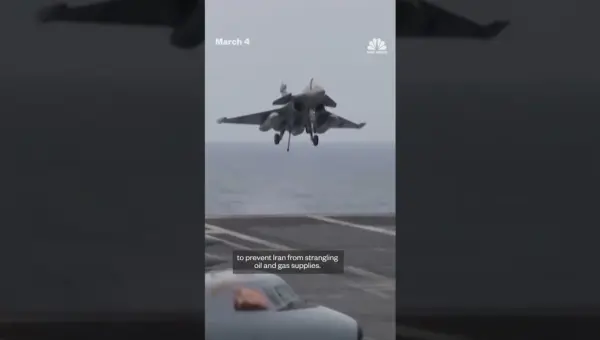
The United States and Israel have significantly escalated military operations against Iran, launching numerous strikes in Lebanon targeting Hezbollah. France has deployed an aircraft carrier to protect oil supplies amid fears of the conflict widening. Over 50,000 US troops are now involved in operations.

US Military Escalates Iran Operation, Claims Major Successes
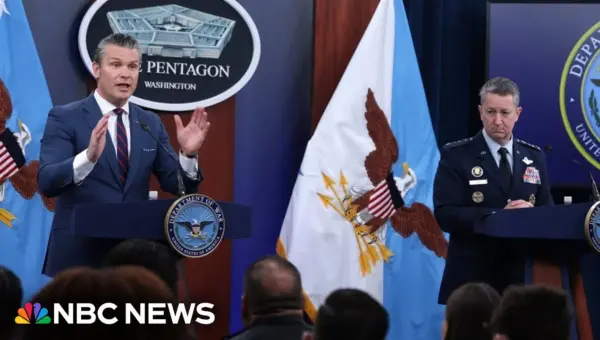
The U.S. military has escalated "Operation Epic Fury" in Iran, expanding inland and claiming significant successes including a 86% reduction in Iranian missile firings and control of Iranian airspace. While officials tout military victories, critics question the clarity of political objectives and the potential for increased casualties.