Iran Turns Strait of Hormuz Into ‘Toll Booth,’ Ex-Pentagon Official Warns
A former Pentagon spokesperson warns that Iran has turned the Strait of Hormuz into a 'toll booth,' significantly increasing its leverage. Shipping has dwindled, and fears of disruption persist. The situation also raises concerns about eroding U.S. deterrence and weakening NATO unity.

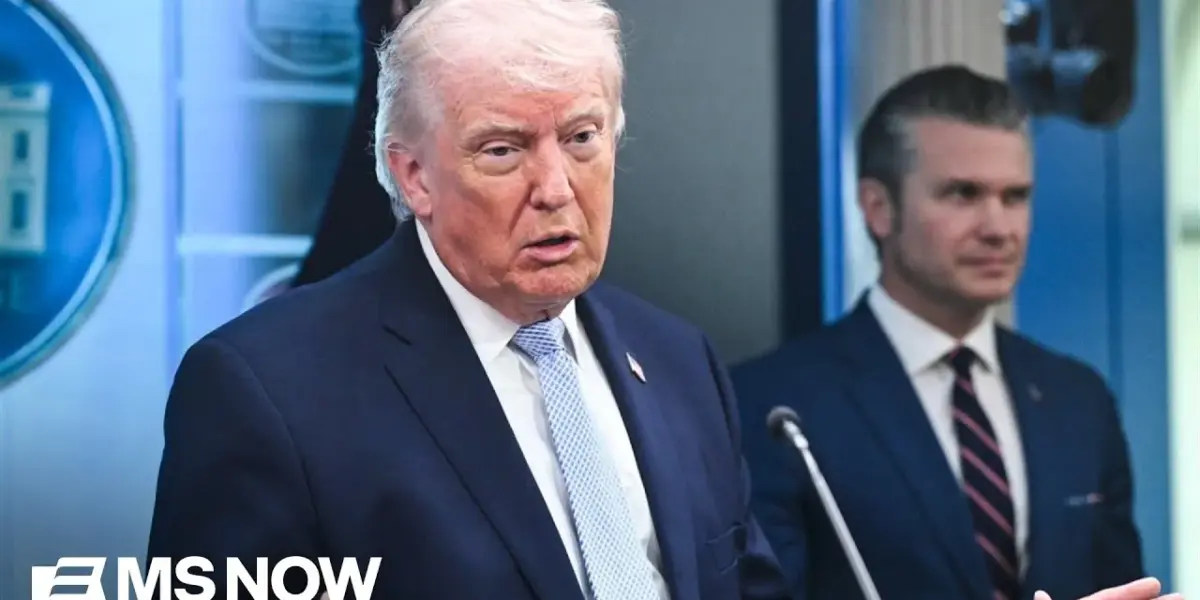
Strait of Hormuz Now a ‘Toll Booth’ Under Iranian Control
Former Pentagon spokesperson, identified as speaking on the “MSNBC” program, has issued a stark warning: Iran has effectively transformed the critical Strait of Hormuz into a “toll booth.” This assertion comes amid ongoing conflict, with the spokesperson highlighting that 13 American soldiers have lost their lives due to related actions. The situation, described as “unfathomable,” suggests Iran is not only maintaining control over this vital waterway but is also poised to profit from it, a development that began just 40 days prior to the current conflict.
Shipping Halts Amidst Iranian Leverage
Before the recent war, the Strait of Hormuz was an open passage, allowing between 100 to 135 ships daily to transit without needing Iran’s approval. Gregory Bruh, a senior Iranian energy analyst at Eurasia Group, noted that Iran’s control over the strait has granted it significantly more power than it held before the conflict. The spokesperson expressed hope that Iran would not be allowed to profit from this situation during upcoming meetings in Pakistan.
Fear and Uncertainty Grip Shipping Industry
The impact of Iran’s actions was immediate and profound. Within the first three days of the war, Iran closed the strait without firing a single shot. The mere threat alone caused shipping and insurance companies to halt traffic. Even a single incident, like a drone strike or a mine, could physically block the channel and create long-term fear, disrupting trade. Soren Toft, the CEO of Maersk, a major shipping company, stated that they are awaiting sufficient security guarantees before resuming normal operations, indicating that fears and concerns remain unaddressed.
Deterrence Erodes as Iran Gains Influence
The spokesperson pointed out that the United States’ long-standing deterrence over Iran appears to have significantly weakened. Iran has withstood what was considered the U.S.’s toughest response and still maintains control over a strategically vital strait. This outcome does not project strength and raises serious questions about the effectiveness of current U.S. foreign policy in the region.
NATO Unity Threatened by Disagreements
Beyond the Middle East, the discussion shifted to the North Atlantic Treaty Organization (NATO). Concerns were raised about potential U.S. actions to move American bases to more sympathetic NATO countries, a move that has drawn bipartisan criticism from senators. They warned that any signal of the U.S. stepping back risks emboldening Russia and China, as a divided NATO serves as their primary strategic objective. The ongoing disputes and disagreements within NATO over the past year, including issues related to Greenland and allies’ reluctance to engage in a conflict they weren’t consulted on, are seen as directly benefiting Vladimir Putin’s agenda to weaken the alliance.
NATO’s Crucial Role in European Security
NATO is described as the most successful military alliance in history. Its solidarity has been a key factor in preventing Russia from achieving its goal of taking Ukraine. However, this unity is now showing signs of strain. The U.S. is reportedly no longer leading the coalition effort to support Ukraine, and even the sale of arms to Europe for transfer to Ukraine has ceased. This breakdown in NATO solidarity raises significant worries about the security environment in Europe, mirroring concerns about the Middle East.
Credibility Gap and Conflicting Narratives
The conversation touched upon a perceived “credibility gap” between the government’s messaging and the reality on the ground, drawing parallels to the Vietnam War. While the President claims progress in negotiations with Iran, the Strait of Hormuz remains closed. Similarly, despite assurances of falling prices, gas prices remain high, and prices across the board are increasing. This disconnect between official statements and observable facts is fueling public distrust.
Divergence in Military vs. Political Messaging
An interesting dynamic has emerged regarding messaging. Military leaders, such as General Kane and Admiral Cooper, have been precise about limited objectives, focusing on Iran’s naval capabilities, ballistic missile programs, and nuclear ambitions. Secretary Hagseth initially aligned with this approach. However, as the conflict has progressed, a significant separation has appeared between the political messaging from the White House and Pentagon leadership, and the more grounded military communications. General Cain’s cautious remarks about a ceasefire, contrasted with Secretary Hagseth’s more ambiguous descriptions, highlight this divergence. Military leaders value clear messaging, and when political leadership speaks of unconditional surrender or regime change—goals that appear unachievable—it creates uncertainty about mission success.
Victory Claims and a Long Road Ahead
Both the White House and the Pentagon have declared victory, a sentiment echoed by Iranian clerics and the IRGC. However, the spokesperson cautioned that this is merely a ceasefire, and peace talks are just beginning. There is a long way to go before either side can claim a definitive win. If the conflict were to end now, the argument could be made that Iran would emerge more powerful and influential than before it began, a troubling prospect for regional stability.
Source: ‘Unfathomable’: Fmr. Pentagon Spokesperson says Iran turned the Strait of Hormuz into a ‘toll booth’ (YouTube)

Related Articles
Trump Faces Backlash as Allies Criticize His War Strategy
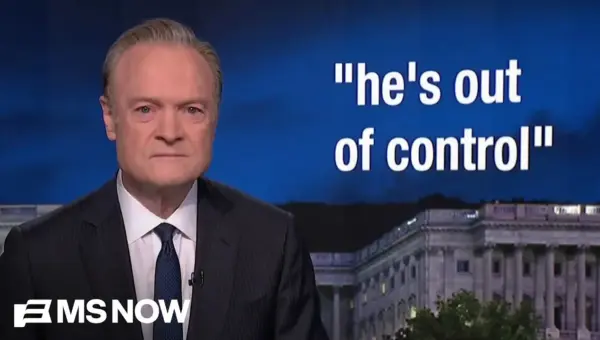
Donald Trump is facing increasing criticism from allies and political figures over his handling of a foreign conflict, with concerns mounting about his mental stability and decision-making. His wife, Melania Trump, has entered the discourse, calling for testimony from Epstein survivors, while figures like Marjorie Taylor Greene question his fitness for office. Reports also highlight issues with military preparedness and Trump's unique approach to international negotiations.
Rutte Faces Backlash: Trump Allies Criticize NATO Chief
NATO Secretary General Jens Stoltenberg's remarks on global safety and Iran's nuclear program have drawn fire from Trump allies. Former State Department official Christian Whiton called Stoltenberg the "odd man out" in Europe, questioning the substance behind his supportive words for U.S. policy. The debate also raises questions about potential U.S. troop realignments within the NATO alliance.

Pakistan Mediates High-Stakes Peace Talks Between US and Iran
Pakistan is set to mediate critical peace talks between the United States and Iran in Islamabad this weekend. The negotiations aim to de-escalate rising tensions, with former National Security Advisor Moed Yusef explaining the importance of private discussions and the challenges of overcoming public demands. While cautious optimism surrounds the event, experts stress that a comprehensive deal is unlikely, with a ceasefire extension being a more immediate goal.