Iran Truce Falters Amidst Middle East Tensions
The fragile US-Iran ceasefire is in doubt as Israel and Lebanon exchange missile fire, threatening regional stability. Meanwhile, Melania Trump breaks her silence on the Epstein scandal, and legal arguments intensify in Sean "Diddy" Combs' appeal. Updates on draft registration and a mysterious disappearance in the Bahamas round out the geopolitical and legal discussions.

Iran Truce Falters Amidst Middle East Tensions
The fragile truce between the United States and Iran is facing serious doubt as missile fire continues between Israel and Lebanon. This escalating conflict threatens to undermine the ceasefire agreement, raising questions about the alignment between President Trump and Israeli Prime Minister Benjamin Netanyahu. The situation is complex, with multiple actors and interests at play.
Israel and Lebanon Exchange Fire
Reports indicate deadly missile exchanges between Israel and Lebanon. Prime Minister Netanyahu has stated he authorized direct negotiations with Lebanon but stressed there is no ceasefire with that country. Israel plans to continue striking Hezbollah. This comes as President Trump reportedly believed Netanyahu would reduce strikes on Lebanon, suggesting a potential difference in approach.
Iran’s Role and Strait of Hormuz Tensions
President Trump has criticized Iran’s handling of oil passage through the Strait of Hormuz, calling their job “very poor.” This is a key part of the ceasefire terms. Iran has announced alternative routes for vessels navigating the Strait, warning of anti-ship mines in the main traffic zone. These new routes are located north of the hazardous area.
Kuwait also reported its air defenses intercepted drones, with the country’s army stating Iran and its proxies were behind the attack. This adds another layer of concern to the regional stability and the potential for a wider conflict.
White House Response and Diplomatic Efforts
The White House is closely monitoring the situation. The Vice President is scheduled to visit the region for talks, though the outcomes are uncertain. President Trump has expressed optimism about the ceasefire but also voiced concerns about Iran’s actions regarding the Strait of Hormuz. He previously suggested a joint US-Iran venture to manage tolls, but Iran’s unilateral announcement of new routes and tolls has drawn his criticism.
Iran, meanwhile, has expressed skepticism about the ceasefire, suggesting that if the US allows Israel to continue its actions, it could shut down future talks. Iran’s new supreme leader has also warned of retaliation for recent actions. This rhetoric indicates Iran’s cautious stance and potential reluctance to fully engage with the US, especially after recent military actions against its facilities.
State Department officials are planning talks next week to discuss the ceasefire terms related to Lebanon. These discussions highlight the interconnected nature of the ongoing conflicts and diplomatic efforts.
Melania Trump Addresses Epstein Scandal
In a surprising move, former First Lady Melania Trump held a rare news conference to address the Jeffrey Epstein scandal. She stated, “I am not Epstein’s victim. Epstein did not introduce me to Donald Trump.” Her office indicated she felt “sick of the lies” and wanted to speak out. Mrs. Trump also called on Congress to provide public hearings for Epstein survivors to testify under oath.
The Epstein survivors’ group responded, saying, “Survivors have done their part. Now it’s time for those in power to do theirs.” Questions remain about the timing and motivations behind Mrs. Trump’s statement, especially given her typically private nature. Reports from her office suggested the West Wing was aware of her remarks, though President Trump himself stated he did not know about it beforehand.
Draft Registration Update: What You Need to Know
Recent headlines about draft registration have caused concern, leading some to believe a military draft is imminent. However, the situation is being explained as a change to a list-keeping process, not an active draft.
Draft registration is like creating a large list for emergencies. It doesn’t mean anyone is in immediate danger or that something is happening. The US has not had a military draft since 1973. By law, most men aged 18 to 25, including male immigrants, must register with the Selective Service, usually within 30 days of turning 18.
The upcoming change, expected by December, involves automatic registration using existing government data. This means people will be added to the list without needing to fill out a form. Congress approved this streamlining measure in the 2026 defense bill. Crucially, this change does not create a military draft.
For a draft to occur, Congress would need to pass a new law, and the president would have to sign it. The White House has stated that a draft is “not part of the current plan.” The current change simply aims to create a more complete and accurate list, ensuring everyone who is legally required to be registered is on it. Even if a draft were to happen in the future, there would be additional steps like a lottery and exemptions.
Sean “Diddy” Combs’ Legal Battle
Attorneys for Sean “Diddy” Combs are appealing his 50-month sentence, arguing that the judge improperly used evidence of crimes for which Combs was acquitted when determining his sentence. Combs was convicted of two Mann Act violations for transporting sex workers and girlfriends across state lines for drug-fueled parties, but acquitted of racketeering conspiracy and sex trafficking charges.
His lawyers argued that the judge relied on these acquitted charges to impose a longer sentence than is typical for similar convictions. Prosecutors countered that the judge followed the law and did not solely rely on acquitted conduct. The appeals judges questioned both sides, and a ruling is expected in the coming weeks. This appeal could lead to Combs’ sentence being overturned, a resentencing, or the current sentence being upheld.
In filings, Combs’ lawyers also argued that his “freak off” tapes, showing sexual encounters, constituted voyeurism and amateur pornography protected by the First Amendment. However, this argument was not a primary focus during the court hearing.
Perspective from Sharae “The Punisher” Hayes
Sharae Hayes, an exotic dancer who testified in Combs’ trial, shared his perspective. He described the events as “choreographed” and focused on lighting and body positions, suggesting they were set up to be captured on film. Hayes stated he did not feel like a victim during his interactions with Combs and Cassie Ventura, viewing them as consensual encounters for significant payment. He expressed shock at Combs’ 50-month sentence, noting that precedents for more serious crimes like pimping often result in shorter sentences.
Hayes believes the situation was “overblown” and that his personal interactions did not indicate distress or criminal activity. He emphasized that his views are based on precedents and the fairness of sentencing, not on disparaging anyone’s experience.
Legal Analysis with Mark Geragos
Attorney Mark Geragos explained that the core of the appeal centers on the use of “acquitted conduct” in sentencing. He noted that while sentencing guidelines are advisory, judges often adhere closely to them. The defense argues that using elements of crimes Combs was found not guilty of to increase his sentence is improper.
Geragos suggested that the appeals court might establish a clear rule on how acquitted conduct can be used in sentencing. He predicted a likely outcome is that the case will be remanded back to the original judge for resentencing, with new guidelines on how to handle acquitted conduct.
Mystery in the Bahamas: Lynette Hooker Case
A Michigan woman, Lynette Hooker, disappeared in the Bahamas after her husband, Brian Hooker, stated she fell overboard from their dinghy. Brian Hooker claims he paddled for hours after losing sight of her in rough waters and eventually washed ashore on a different island. He has been arrested in the Bahamas for questioning but has not yet been charged.
Public opinion has turned against Brian Hooker, partly due to doubts raised by Lynette’s daughter, who questioned why he didn’t anchor and search for her. Brian Hooker has retained an attorney and denies any wrongdoing.
Cole Goldberg on Public Opinion and Due Process
Cole Goldberg, who was acquitted of attempted murder charges related to an incident involving his ex-girlfriend, shared his experience with intense media scrutiny. He spoke about how public opinion can quickly form, often before all facts are known or legal processes are complete. Goldberg advocates for fair trials and due process, highlighting the difference between the legal system’s presumption of innocence and the public’s tendency to judge cases based on media coverage.
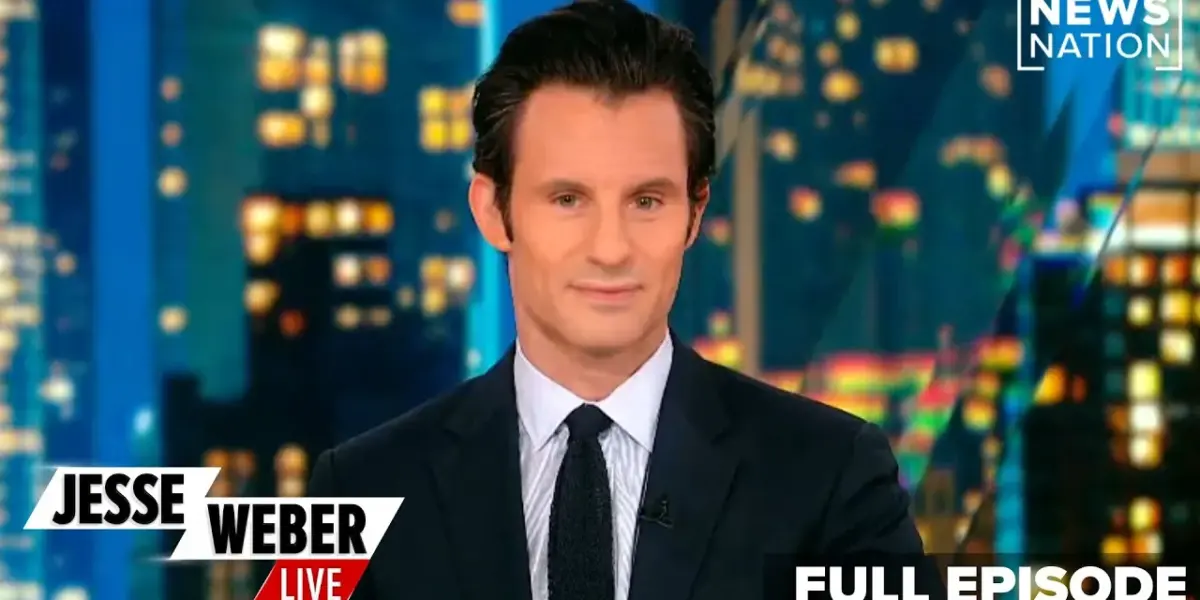
Source: Melania Trump's surprise news conference; Diddy back in court | Jesse Weber Live Full Episode 4/9 (YouTube)

Related Articles


VP Vance Leads U.S. Team in High-Stakes Iran Ceasefire Talks
Vice President J.D. Vance is leading a U.S. delegation in high-stakes ceasefire negotiations with Iran in Islamabad, Pakistan. The talks, the highest-level between the two nations since 1979, are complicated by Vance's past criticisms of military intervention and significant differences on key issues like a ceasefire in Lebanon.


Iran Seeks Vance as US Envoy Amid Shifting War Aims
New peace talks are underway, but Iran remains skeptical due to past U.S. actions. Analysts suggest U.S. war aims lack clarity, complicating negotiations. Iran has reportedly requested J.D. Vance's presence, viewing him as a war skeptic.

Vance Meets Pakistan PM Amid U.S.-Iran Tensions
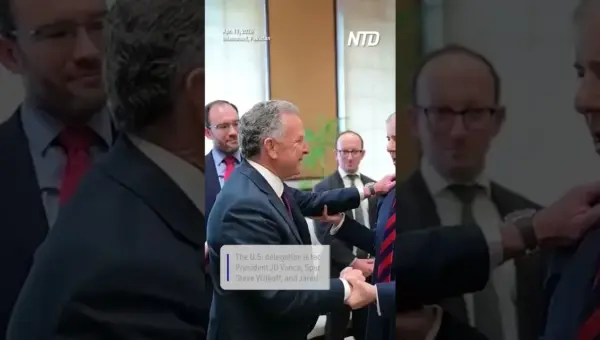
U.S. Vice President JD Vance met with Pakistan's Prime Minister in Islamabad shortly before crucial U.S.-Iran talks. The meeting highlights Pakistan's strategic importance and ongoing diplomatic efforts in a sensitive region.