Iran Truce Deal: What’s Next for Middle East Tensions?
Iran, the US, and Israel have reportedly agreed to a conditional two-week ceasefire, which includes reopening the vital Strait of Hormuz. Experts express caution about the truce's longevity, while analyzing its potential impact on Iran's proxies and the political landscape.

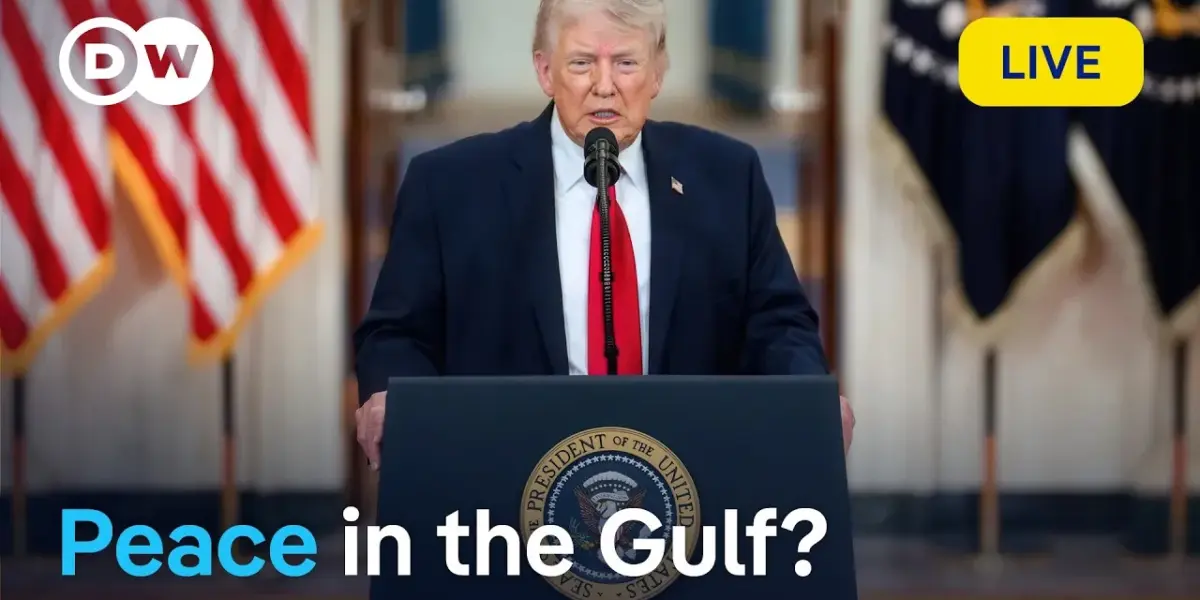
Iran and Major Powers Agree to Conditional Truce
In a significant development for the Middle East, Iran, the United States, and Israel have reportedly agreed to a conditional two-week ceasefire. This fragile agreement, reached recently, also includes the crucial reopening of the Strait of Hormuz, a vital waterway for global oil transport. The terms of this truce are set to be closely watched, with many questioning its longevity and potential impact on the region’s complex geopolitical landscape.
Will the Ceasefire Hold?
The critical question on everyone’s mind is whether this ceasefire will actually last. Middle East expert Fawaz Gerges, speaking on DW News, expressed caution. He highlighted that such agreements are often difficult to maintain in a region with deeply entrenched conflicts. Gerges noted that the success of the truce hinges on the commitment of all parties involved and their willingness to de-escalate tensions. The coming days and weeks will be crucial in determining if this pause in hostilities can pave the way for more lasting peace.
Iran and Its Proxies: What’s the Impact?
The agreement’s implications for Iran and its network of allied groups, often referred to as proxies, are also a major point of discussion. These groups, spread across countries like Lebanon, Syria, and Yemen, have often been involved in regional conflicts. US political analyst Mike Cowburn suggested that the truce could put pressure on Iran to rein in these proxies. However, he also pointed out that Iran might use this period to regroup or re-evaluate its strategies. The extent to which Iran can control its allies’ actions remains a key uncertainty.
A Win for Trump?
The ceasefire also raises questions about its political impact, particularly for former US President Donald Trump. Trump, who took a hardline stance against Iran during his presidency, has often claimed credit for specific foreign policy achievements. Cowburn analyzed that if the truce holds and leads to a reduction in regional instability, it could be presented as a positive outcome. However, he cautioned that the situation is highly fluid. Any resurgence of conflict or failure of the truce could also be used to criticize the approach taken. The deal’s long-term perception will likely depend on future events.
The Strait of Hormuz: A Vital Lifeline
The reopening of the Strait of Hormuz is a significant element of the agreement. This narrow waterway, situated between the Persian Gulf and the Gulf of Oman, is one of the world’s most important oil transit points. A disruption in its traffic can have immediate and severe consequences for global energy markets. Gerges emphasized the strategic importance of this strait, noting that its free passage is essential for regional and international stability. The agreement to reopen it signals a temporary easing of a major point of contention.
Broader Regional Implications
Beyond the immediate players, the ceasefire has broader implications for the entire Middle East. A de-escalation of tensions between Iran and its rivals could potentially create a more stable environment for other ongoing diplomatic efforts. It might also influence the dynamics between regional powers, encouraging dialogue over confrontation. However, underlying issues and historical grievances are not easily resolved. The success of this truce could set a precedent, but its failure could also deepen existing divides.
Looking Ahead: What to Watch Next
The coming weeks will be critical in assessing the true impact of this conditional truce. Key factors to monitor include the adherence to the ceasefire by all parties, any shifts in the activities of Iran’s proxies, and the diplomatic engagement that follows. The international community will be watching closely to see if this two-week pause can be a stepping stone towards a more peaceful resolution of the long-standing conflicts in the region. The world hopes for a lasting calm, but the path forward remains uncertain.
Source: Iran Ceasefire: What's next? | DW News (YouTube)

Related Articles

Iran Deal Offers Trump War Exit Amid Political Fallout
A new Iran deal offers President Trump an exit from potential conflict, sparking debate over its origins and implications. Supporters hail it as a diplomatic win, while critics argue it ignores Iran's history of aggression and risks emboldening the regime. The political fallout within the US is significant, regardless of the deal's ultimate success.

Iran Halts Attacks as US, Israel Seek Iran Deal
Iran has halted aerial attacks following a U.S. decision to suspend its own strikes for two weeks, brokered by Pakistan. While Israel supports the move, the ceasefire excludes Lebanon. The U.S. aims for a long-term peace deal and to keep the Strait of Hormuz open.

Senator Markey Demands Trump Impeachment Over Iran Threats
Senator Ed Markey of Massachusetts is calling for President Donald Trump's impeachment over his threats of war crimes against Iran. Markey described Trump as a "warmonger" whose actions are impeachable offenses. He urged the House to pass Articles of Impeachment and the Senate to convict and remove the President.