Iran to Monetize Strait of Hormuz Passage Post-Conflict
Iran is poised to turn the Strait of Hormuz into a 'toll booth,' demanding payment for passage and fundamentally altering global trade. This development follows a conflict initiated by President Trump, whose administration may be seeking an exit strategy. The situation also highlights strained US-UK relations and raises questions about the UK's global influence and defense capabilities.

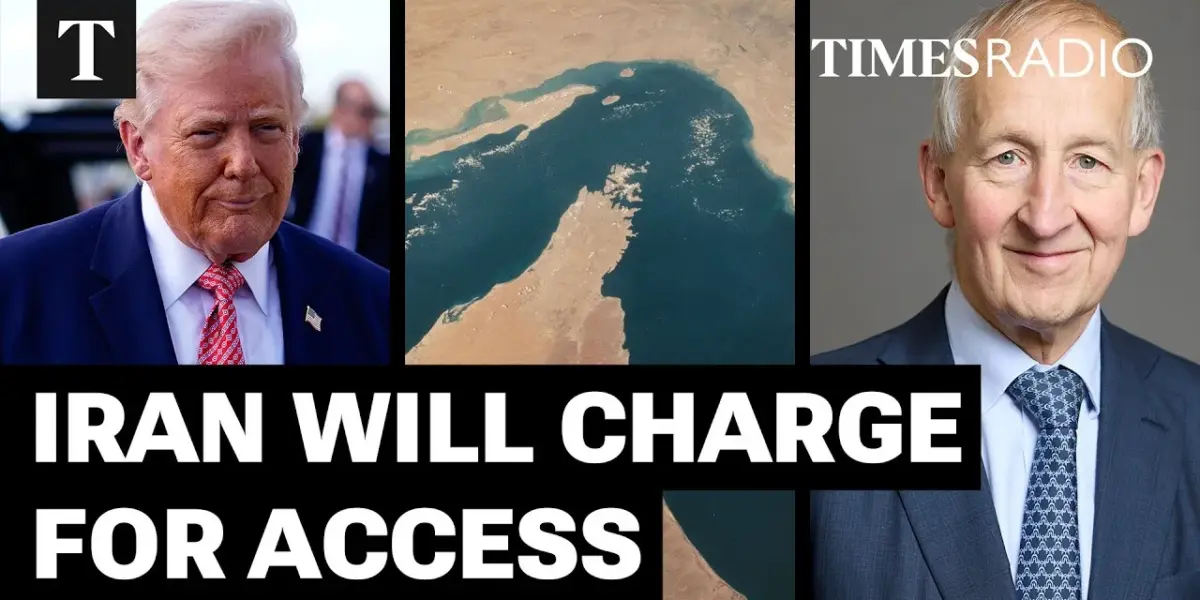
New Era for Global Trade: Iran Eyes Toll Booth Strategy for Hormuz
A significant shift is expected in global maritime trade following the recent conflict involving Iran. Former UK National Security Adviser Lord Peter Ricketts suggests that Iran will likely transform the vital Strait of Hormuz into a ‘toll booth,’ demanding payment for passage. This new reality means the days of unrestricted use of the waterway may be over.
US-UK Relations Under Strain, Operational Ties Endure
At the highest levels, relations between the United States and the United Kingdom are described as strained. President Trump has issued numerous critical comments towards Britain, despite ongoing military cooperation. Lord Ricketts notes that while political rhetoric is harsh, operational cooperation between defense and intelligence staffs remains strong. This is exemplified by the U.S. Air Force’s use of British bases and British planes supporting defensive missions in the Gulf.
Trump’s War of Choice: An Exit Strategy and Its Fallout
Lord Ricketts posits that President Trump may have been influenced to engage in the recent conflict with the aim of regime change in Iran, a plan he believes was championed by Israeli Prime Minister Netanyahu. He suggests Trump anticipated a swift victory that did not materialize, leading to a complex situation. Now, facing a prolonged and costly conflict, Trump appears eager to withdraw and is reportedly seeking a narrative to justify the war’s outcomes to the American public. The claim of achieving regime change is disputed, with Ricketts arguing that only personnel changes have occurred, potentially strengthening hardline elements within the Iranian regime.
The Strait of Hormuz: A New Economic Reality
As the U.S. potentially withdraws, Iran is expected to capitalize on its strategic location. Lord Ricketts explains that Iran has discovered significant leverage by controlling passage through the Strait of Hormuz. This leverage can be ‘monetized’ by charging countries for access, a capability that, once realized, will not be forgotten. Western nations are unlikely to use military force to compel passage, given the geography favors the defender. Instead, a ‘toll booth’ arrangement seems probable, where nations must negotiate with Iran for their ships to transit. This will likely lead to increased costs and delays for global trade.
The implications for the global economy are substantial. Lord Ricketts anticipates that friction in trade through the Strait will persist, leading to higher prices for the foreseeable future. This is presented as a direct consequence of the war initiated by President Trump. While Iran needs revenue for reconstruction, the knowledge of nuclear weapons development remains, posing a long-term strategic concern.
Shifting Alliances and European Assertiveness
The conflict and its aftermath are prompting a reevaluation of alliances in the Gulf. Gulf countries, desperate to export oil and gas, face difficult choices. Some may seek closer ties with Iran, while others, like Saudi Arabia, might look to China for increased support, especially if the alliance with America proves unreliable. Countries like Oman and Qatar may attempt to mediate better arrangements. Simultaneously, Europe appears to be adopting a firmer stance towards President Trump, with Italy reportedly refusing the use of bases for American missions. This signals a potential hardening of European positions and a broader discussion about NATO’s future and European security.
UK’s Diminished Global Influence and Defense Concerns
The situation also highlights a perceived decline in the UK’s global influence. Lord Ricketts dismisses the notion of a ‘special relationship’ with the U.S., viewing it as transactional. He points to the Iraq War, where British involvement yielded little influence over strategic decisions. The UK’s decision to stand aside from direct attacks in the recent conflict, focusing on defending its interests, is seen as a pragmatic choice given the limited influence available. Concerns about the UK’s defense capabilities are also mounting, with reports questioning the Navy’s readiness for combat. This raises urgent questions about defense spending and the nation’s military posture, especially in light of perceived weaknesses in its ability to act independently or influence major global events.
The Path Forward: Uncertainty and Diplomacy
The future remains uncertain. While a negotiated passage through the Strait of Hormuz might restore some flow of trade, it will likely be at a higher cost and under Iranian terms. The broader geopolitical landscape is shifting, with potential realignments in the Gulf and a more assertive Europe. The effectiveness of diplomatic efforts, including potential royal diplomacy, remains to be seen in navigating these complex and challenging times. The global economy faces a period of increased friction and expense as a result of the recent conflict.
Source: Iran Will Turn Strait Of Hormuz Into ‘Toll Booth’ When Trump Exits Conflict | Peter Ricketts (YouTube)

Related Articles

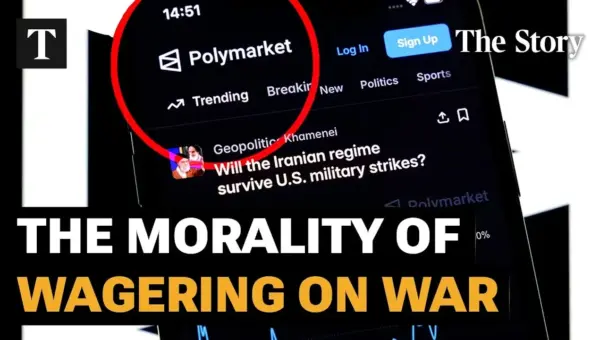
Prediction Markets Turn Global Crises Into Bets
Online prediction markets like Polymarket and Kalshi are turning global crises into tradable assets, allowing users to bet on future events, including wars and elections. While these platforms have shown remarkable accuracy in forecasting geopolitical developments, they are facing increasing scrutiny over potential insider trading and regulatory concerns.

Trump Eyes Iranian Oil Hub Before War Exit, Analysts Warn
President Donald Trump may be preparing to withdraw from the current conflict but is reportedly considering a final aggressive move against Iran's Kharg Island oil depot. This potential action, coupled with Iran's offer to reopen the Strait of Hormuz, creates significant uncertainty. Meanwhile, the UK is reassessing its defense alliances, leaning more towards European partners amid strains with the US.

Markets Rally on War End Hopes, But Risks Remain
Global markets surged on hopes of a swift end to the Iran conflict, but analysts warn that elevated oil prices and ongoing geopolitical risks could still significantly impact economic growth. The true economic fallout may not yet be fully reflected in stock prices.