Iran Threatens Strait of Hormuz Amid Lebanon Strikes
Iran threatens to close the vital Strait of Hormuz in response to ongoing strikes in Lebanon. The US is trying to de-escalate, but actions on the ground remain a concern, potentially impacting global oil markets and future negotiations.

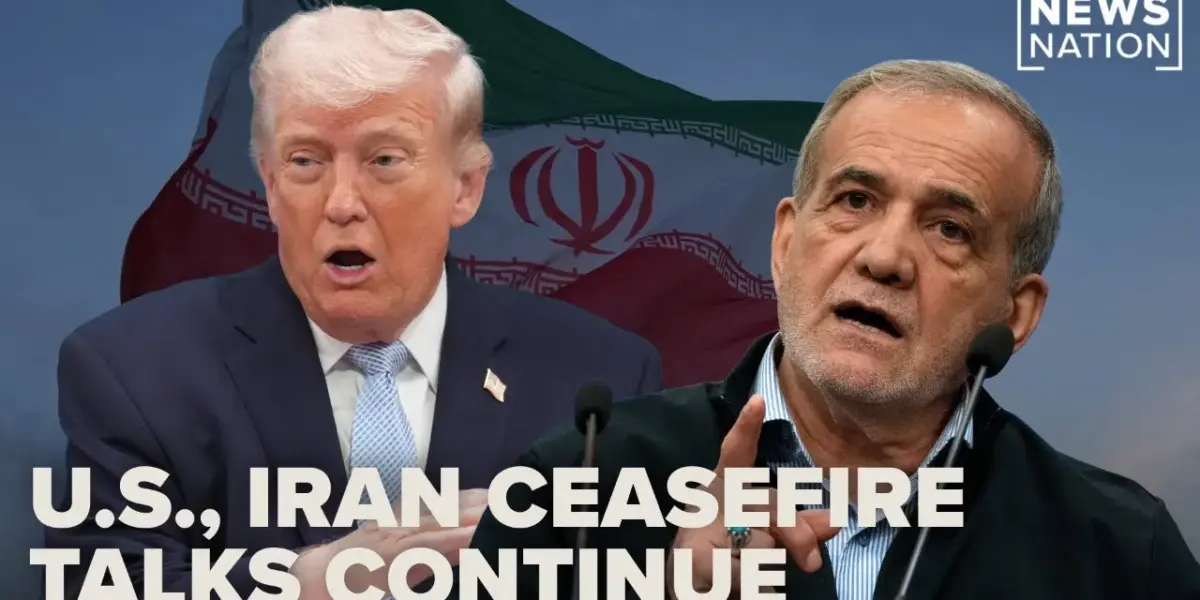
Iran Threatens Strait of Hormuz Amid Lebanon Strikes
Tensions are escalating in the Middle East as Iran signals a potential closure of the Strait of Hormuz. This move comes in response to ongoing strikes impacting civilians in Lebanon. The situation is highly fragile, with many in the region holding their breath, waiting to see what happens next.
Lebanon Strikes Spark Iranian Response
The immediate trigger for Iran’s strong reaction appears to be the continuation of missile strikes in Lebanon. Iran views these attacks as harming innocent people. As a direct response, Iran has stated it may temporarily close the Strait of Hormuz. This critical waterway is vital for global oil transport, making any disruption a major international concern.
This threat directly impacts upcoming negotiations. Iran is linking its potential actions in the Strait to the ongoing military actions in Lebanon. The message is clear: if the strikes continue, Iran will take measures that could significantly disrupt global trade.
US Diplomacy Faces a Test
The United States is attempting to manage the situation through diplomatic channels. President [Leader’s Name Not Specified in Transcript] has reportedly asked Israeli Prime Minister Netanyahu to reduce missile strikes. This indicates a US effort to de-escalate the conflict and prevent further civilian casualties.
However, despite these calls, missile strikes are reportedly still occurring. This highlights a gap between US diplomatic requests and the actions on the ground. The transcript emphasizes that talk is not enough; real action is needed to calm the situation. The effectiveness of US diplomacy is being tested as it tries to influence events in a volatile region.
Global Impact: Why This Reshapes the World Order
The potential closure of the Strait of Hormuz is a significant geopolitical event. Roughly 20-30% of the world’s oil passes through this narrow waterway daily. Any disruption could cause a sharp rise in oil prices globally, impacting economies far beyond the Middle East. This would affect everything from the cost of gasoline at the pump to the price of goods transported by sea.
This situation underscores the interconnectedness of global security and the economy. A regional conflict can quickly have worldwide repercussions. It also highlights the complex web of alliances and rivalries in the Middle East, where actions by one country can trigger responses from others, drawing in global powers.
Historical Context
The Strait of Hormuz has been a focal point of geopolitical tension for decades. Iran has previously threatened to close it during periods of heightened conflict or when facing international pressure, such as sanctions. These threats are often seen as a way for Iran to assert its strategic importance and retaliate against adversaries.
The current situation echoes past confrontations where regional disputes threatened vital global shipping lanes. The international community has historically sought to ensure freedom of navigation in these critical waterways, often through naval presence and diplomatic agreements. The current events test these long-standing arrangements.
Economic Leverage and Future Scenarios
Iran’s threat to close the Strait of Hormuz is a powerful form of economic leverage. It directly targets the global energy market, a sector with immense economic and political influence. Sanctions against Iran have also been a key factor in regional tensions, pushing Iran to seek ways to assert its power.
Several future scenarios are possible. One is that diplomatic efforts succeed, leading to a de-escalation of strikes in Lebanon and a return to stability, averting the closure of the Strait. Another scenario involves Iran following through on its threat, leading to significant global economic disruption and a strong international response. A third possibility is continued low-level conflict, with sporadic strikes and ongoing diplomatic maneuvering, keeping the region in a state of tense uncertainty.
The effectiveness of US diplomacy, the resolve of regional actors, and the global economic impact will all play a role in shaping the outcome. The coming days are critical for understanding the direction of this volatile situation.
Source: US, Iran prepare for ceasefire talks as Mideast strikes continue | Morning in America (YouTube)

Related Articles


US Tightens Grip: Iran Strait Blockade Sparks Global Oil Fears
The U.S. is threatening to block Iranian ports, a move that could severely disrupt global oil supplies. This action tests international law and puts major economies like China and India at risk of inflation. The standoff signals a potential shift in global power dynamics.

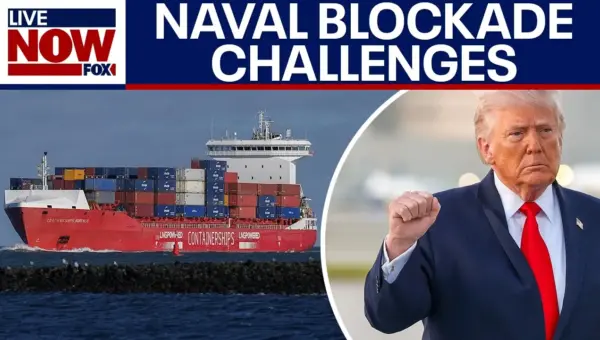
Trump Orders Iran Strait of Hormuz Blockade
President Trump has ordered an immediate U.S. Navy blockade of the Strait of Hormuz following failed negotiations with Iran. The move aims to halt all maritime traffic, but experts warn of significant risks, including potential confrontations with other nations and economic repercussions. The situation remains volatile as both sides may have used a recent ceasefire to resupply and prepare for further conflict.


Ukraine’s Drones Expand ‘Kill Zone,’ Rattling Russia
A Russian military blogger's questions about winning the war highlight Ukraine's expanding drone 'kill zone.' This zone, now 40-50 km deep, makes Russian troop movements and supply lines vulnerable. Ukraine's increasing quantity and quality of drones are inflicting heavy losses and shifting battlefield momentum.