Iran Threatens Hormuz Strait Closure: Navy Expert Warns of Months-Long Blockade
Retired Navy commander Tom Sharpe warns Iran could keep the Strait of Hormuz closed for months by heavily mining the waterway. He highlights the significant challenges and limited resources available for any operation to reopen the vital shipping lane, citing the threat of mines, drones, and fast attack craft.

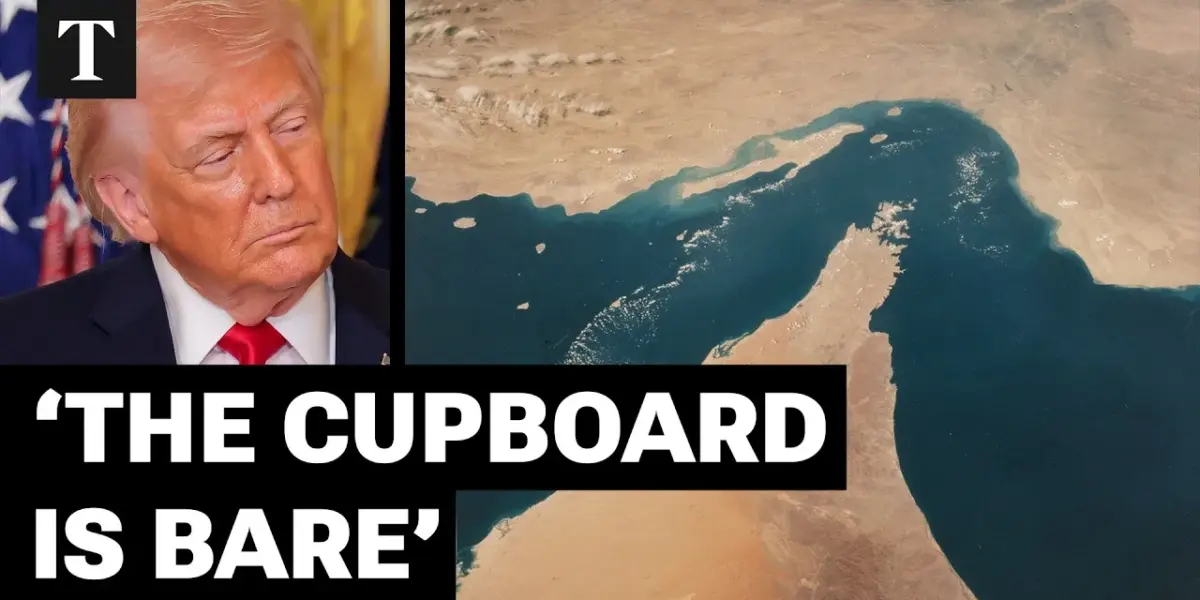
Iran’s Hormuz Strait Threat: A Looming Months-Long Blockade?
In a stark warning issued by retired Navy commander Tom Sharpe, Iran possesses the capability to keep the vital Strait of Hormuz closed for an extended period, potentially lasting months, if it chooses to heavily mine the strategic waterway. The assertion comes amid escalating tensions and pronouncements from former President Donald Trump, who called on the UK and other allies to join a naval mission to ensure the strait remains open and free.
The Stark Reality of the Strait of Hormuz
Retired Navy commander Tom Sharpe, speaking on the complexities of the situation, highlighted the significant challenges faced by any force attempting to reopen the Strait of Hormuz. “What he’s coming up against, the stark reality of facing an enemy who’ve had 30 years to prepare and dig in for this moment in time,” Sharpe stated, contrasting this with a potential “smash and grab mindset” that might underestimate Iran’s preparedness.
Sharpe painted a grim picture of the UK’s current naval capacity for such a mission, noting that “the cupboard is basically bare.” He outlined five potential options, with one being particularly potent: nuclear attack submarines. However, he expressed doubt about the willingness to commit these assets, stating, “I don’t know if we have the stomach really to get stuck in with the one or two ships we have available for the Strait of Hormuz task in particular.”
The Threat of Naval Mines
The Times reported that Britain might deploy interceptor and mine-hunting drones. Sharpe acknowledged intelligence reports indicating Iran’s use of mines but cautioned against circular reporting. “Certainly, there have been no mine strikes yet,” he noted. Nevertheless, he stressed that the threat is serious, with Iran possessing over 5,000 mines and more than a thousand vessels capable of deploying them, often disguised as fishing boats.
“The mines are covered with oil barrels at the back of the vessel. They’re almost impossible to distinguish from vessels going around fishing. So striking is very hard,” Sharpe explained. He also pointed out confusion regarding recent reports of mine-layers being struck, clarifying that these were likely fast attack craft, indicating a potential “communications game” or misinformation being employed.
The Conundrum of Mine Clearance
The core problem, Sharpe elaborated, lies in the inherent vulnerability of mine-clearing operations. “To do that, you’ve got to send slow-moving and vulnerable kit into the eye of the storm. And we haven’t written down the air threat yet to the point where that’s safe.” This creates a critical dilemma for planners: the need to clear mines versus the danger posed by Iran’s air and missile threats.
Opening the Strait: A Multi-Faceted Challenge
Reopening the Strait, according to Sharpe, requires a comprehensive suppression of multiple threats. This includes:
- Air and Missile Threats: Suppressing missiles and drones, which are dispersed and difficult to locate, similar to how the Houthis operate.
- Surface Threats: Neutralizing thousands of fast attack craft and surface drones, some of which may be held back for a direct confrontation with warships.
- Subsurface Threats: Addressing lethal mini-subs and the pervasive threat of mines.
Only after these threats are reduced to a manageable level can high-value warships escort commercial vessels. However, Sharpe added a critical caveat: “Even if you think it’s militarily safe to put warships in there… the commercial shipping may still deem it unsafe. In which case, Iran has still achieved its endgame here.”
A Tense Operating Environment
Recalling his own experiences in the Strait, Sharpe described it as a “tense” and “difficult operating environment” with poor visibility and high sea surface temperatures affecting equipment performance. He detailed how the IRGC Navy would “rush you with up to 10 or 12 fast attack craft all doing 40 or 50 knots in formation, shouting at you on the radio, we’re going to come and kill you now.” This constant harassment required ships to close up to action stations, a standard procedure during his deployments.
Sharpe emphasized that the fast attack craft threat needs to be reduced to “virtually zero using intensive air power.” However, he cautioned that this approach is not sustainable, especially as Iran has “dug in and they can play a long game.”
Timeline of Closure: Weeks to Months
Regarding how long Iran could keep the Strait closed, Sharpe drew parallels to the Houthi attacks, which, at one or two strikes per week, were sufficient to divert shipping. “Now, of course, there’s no alternative here. So, the pressure is on and the impatience is building,” he said, noting that the “tanker wars went on for years.”
He estimated that if mines have been laid and need to be cleared to a certain confidence level, the process could take weeks. “If they mine it heavily… then we’re talking months,” Sharpe warned, leaving the broader implications for oil and global trade uncertain.
Challenges with Countermine Capabilities
Sharpe expressed significant concern over the current state of mine-clearing capabilities, particularly for the UK and the US. He stated that both nations have, in recent months, “relinquished our standing mine clearance capabilities that were there. They’ve been there for 30 years.” The UK’s four mine-hunting ships, described as the best in the world, were recently returned, leaving a void.
The replacement, a “remotely operated system of systems,” is seen by Sharpe as “clever talk for something that’s not quite ready yet.” He questioned its effectiveness in a high-threat environment, contrasting it with operations from secure bases in benign conditions. The US relies on its Littoral Combat Ships (LCS) for mine clearance, but Sharpe believes these vessels are vulnerable, stating, “the IRGCN will just steal them in my view.” The potential for Iran to simply seize drones or towed bodies used for mine detection is a major concern.
“I’m really concerned about this phase,” Sharpe concluded. “And I like I say, I don’t think we can go in there and do mines at all until everything else is completely written down. And that, as the Houthis show, will take a while.”
Looking Ahead
The potential for Iran to significantly disrupt global trade by closing the Strait of Hormuz remains a critical geopolitical concern. The effectiveness of international responses, the readiness of naval assets, and Iran’s capacity to sustain a prolonged blockade will be key factors to monitor in the coming weeks and months.
Source: Iran Could Keep Strait Of Hormuz Closed For Months | Tom Sharpe (YouTube)

Related Articles


G7 Allies Clash Over Iran War Strategy, Urge Focus on Russia
G7 foreign ministers met in Paris, revealing deep divisions over the U.S. war with Iran. European allies urged the U.S. to pressure Russia, linking its actions to the conflict and fearing support for Ukraine will wane.

Iran Blocks China Ships, Exposing Beijing’s Weak Grip
Iran's recent decision to block Chinese ships at the Strait of Hormuz is exposing the limits of Beijing's influence in the Middle East. This action is causing delays and cancellations for Chinese manufacturers, turning a perceived geopolitical win into an economic strain.


Rubio: US Can Achieve Iran War Goals Without Troops
Senator Marco Rubio outlined a strategy to counter Iran without deploying U.S. ground troops, focusing on weakening the regime and enhancing maritime security. He also criticized Cuba's economic system and expressed concerns about West Bank violence.