Iran Tests Trump’s Shifting Stance Amidst Military Buildup
The U.S. faces a complex challenge with Iran, marked by President Trump's mixed signals on negotiation versus military action. Significant U.S. troop deployments to the region are raising concerns about escalation, while Iran's potential to influence oil prices adds economic pressure. Israel's security concerns also play a critical role in shaping U.S. strategy.

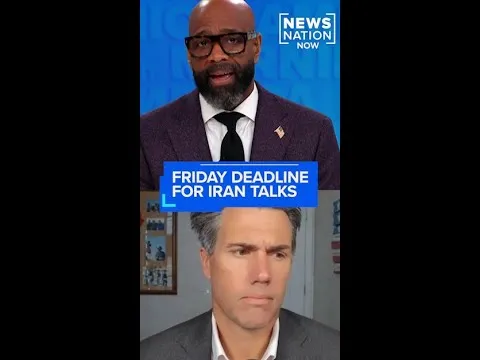
Iran Tests Trump’s Shifting Stance Amidst Military Buildup
The United States finds itself in a complex diplomatic and military standoff with Iran, marked by President Trump’s mixed signals and a significant regional troop deployment. While Iran appears to be testing American resolve by potentially influencing oil prices, Washington is responding with a show of force, raising questions about its ultimate goals and the path towards de-escalation.
Conflicting Messages Create Uncertainty
President Trump’s administration has sent conflicting messages regarding Iran. One moment, the administration suggests a willingness to negotiate a potential deal. The next, it signals a readiness to escalate military action, including bombing. This mixed messaging leaves allies and adversaries alike uncertain about America’s true intentions. Iran, a key player in the global oil market, understands its ability to affect oil prices, a move that could put pressure on President Trump, especially if he is seeking a negotiated settlement.
Military Reinforcements Signal Escalation Risk
In response to the rising tensions, the U.S. is deploying significant military assets to the region. The arrival of the USS Tripoli, an amphibious assault ship, along with the reported movement of the 82nd Airborne Division and other ground forces, signals a heightened readiness for conflict. This military buildup could be intended to deter further Iranian aggression or prepare for potential offensive actions. However, it also increases the risk of miscalculation and unintended escalation in an already volatile area.
Israel’s Crucial Role
The perspectives of regional allies, particularly Israel, are critical in shaping U.S. policy. Israel views Iran as a primary security threat and has its own strategic interests in the region. Any potential deal or military action involving Iran will likely be influenced by Israel’s concerns and its own security calculus. Understanding how Israel perceives the current situation and its potential involvement is key to grasping the broader regional dynamics at play.
Economic Leverage and Oil Prices
Iran’s influence over global oil prices represents a significant economic lever. By potentially disrupting oil supplies or threatening shipping lanes, Iran can exert pressure on the international community and particularly on economies reliant on stable energy markets. The Strait of Hormuz, a vital chokepoint for oil transport, remains a critical area of focus. Control over this waterway is a strategic objective for both Iran and the United States, and any conflict in the region could have severe economic consequences worldwide.
Historical Context of U.S.-Iran Relations
The current tensions are rooted in decades of complex and often adversarial U.S.-Iran relations. Following the 1979 Islamic Revolution, diplomatic ties were severed, and relations have been strained by issues ranging from Iran’s nuclear program to its regional activities. Past U.S. administrations have employed various strategies, including sanctions and military posturing, to counter Iran’s influence. The current situation reflects an ongoing struggle for regional dominance and a disagreement over Iran’s role in international affairs.
Global Impact
The uncertainty surrounding U.S. policy toward Iran has far-reaching implications. Fluctuations in oil prices can impact global economies, affecting everything from consumer costs to industrial production. Escalation in the Middle East could disrupt vital trade routes and lead to wider regional instability. The conflicting messages from Washington also impact the credibility of U.S. foreign policy and its ability to forge stable international partnerships. The world watches closely as this high-stakes diplomatic and military drama unfolds.
Future Scenarios
Several future scenarios are possible. One path could lead to renewed negotiations, possibly spurred by economic pressure or a desire to avoid further conflict. Another scenario involves continued military posturing and limited skirmishes, maintaining a tense but stable status quo. The most concerning scenario is a full-scale military confrontation, which would have devastating consequences for the region and the global economy. The administration’s ability to articulate a clear strategy and effectively manage the competing interests of various actors will be crucial in determining which path is taken.
Source: Trump’s messaging on Iran is all over the place: Leland Vittert | NewsNation (YouTube)

Related Articles
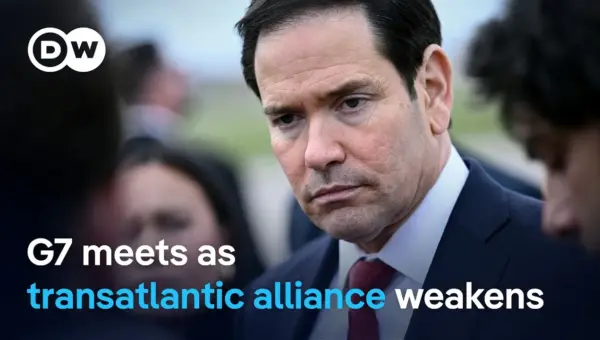
G7 Allies Clash Over Iran War Strategy, Urge Focus on Russia
G7 foreign ministers met in Paris, revealing deep divisions over the U.S. war with Iran. European allies urged the U.S. to pressure Russia, linking its actions to the conflict and fearing support for Ukraine will wane.

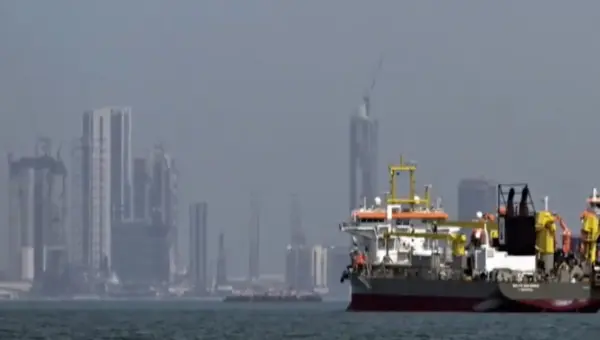
Iran Blocks China Ships, Exposing Beijing’s Weak Grip
Iran's recent decision to block Chinese ships at the Strait of Hormuz is exposing the limits of Beijing's influence in the Middle East. This action is causing delays and cancellations for Chinese manufacturers, turning a perceived geopolitical win into an economic strain.
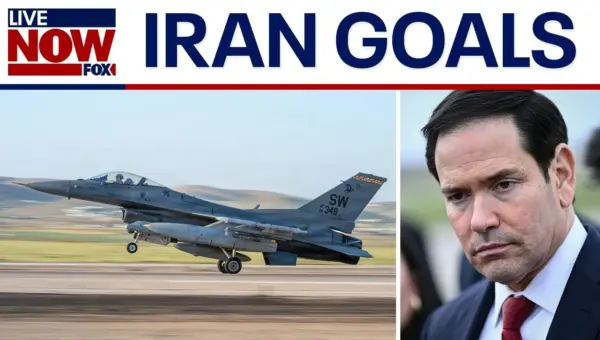
Rubio: US Can Achieve Iran War Goals Without Troops
Senator Marco Rubio outlined a strategy to counter Iran without deploying U.S. ground troops, focusing on weakening the regime and enhancing maritime security. He also criticized Cuba's economic system and expressed concerns about West Bank violence.