Iran Tests Strait of Hormuz Control, Challenges Global Oil Flow
Iran is asserting control over the Strait of Hormuz, impacting global oil flow and challenging the U.S. This move has complex implications for international trade, U.S.-China relations, and regional stability. The situation highlights Iran's strategic positioning and its perceived ability to influence global energy markets.

Iran Tests Strait of Hormuz Control, Challenges Global Oil Flow
Iran is asserting control over the vital Strait of Hormuz, a key waterway for global oil shipments. This move puts pressure on international shipping and raises questions about the stability of oil prices and global trade routes. The situation is complex, involving Iran’s strategic goals, the United States’ desire for freedom of navigation, and the economic interests of major world powers like China.
Iran’s Strategy and Perceived Power
Despite any tactical successes by the U.S. military, Iran appears to feel emboldened. Its primary goal is survival as a regime, and it believes it has achieved this. Iran has effectively shown it can control traffic through the Strait of Hormuz. This gives it a stronger position in any negotiations. The U.S. views freedom of navigation in the Strait as a top priority. This is a critical economic artery for the world’s energy supply.
U.S. Response and Political Calculations
The U.S. President is facing pressure to respond to Iran’s actions. He has stated that Iran is breaking a ceasefire by hindering oil flow through the Strait. The question is whether the U.S. will escalate tensions or seek a diplomatic solution. Republicans believe that if Iran breaks the ceasefire, the MAGA base would support a stronger response. However, some analysts believe supporters are already set in their opinions. The President has given himself a two-week period to assess the situation. It would be surprising if he chose open conflict, especially with the Vice President potentially at risk.
The China Connection
Iran’s actions are also linked to China. China is Iran’s largest customer for oil. By constraining Iran, the U.S. can also put pressure on China. The U.S. can go to China and argue that they need to control Iran. This is because Iran is charging China for shipments through the Strait of Hormuz. China is reportedly paying these tolls, sometimes in cryptocurrency. This raises questions about the future of the petrodollar system.
Historical Context and Leverage
The Strait of Hormuz has always been a point of strategic importance. For years, the U.S. Navy has viewed it as a potential issue due to its narrowness. Historically, the Strait remained open and free, with no ships being fired upon and no tolls paid to Iran. The current situation, where Iran is charging for passage, signifies a shift in perceived power. While Iran has always had the ability to play this card, its current use is notable. This is because major powers like China are now paying these tolls, which may not make them happy.
Regional Dynamics and Future Scenarios
Analysts are watching several key areas. An advance by Iran into Pakistan would be significant. Lebanon could also continue to be a spoiler. Iran has warned that Lebanon was part of the ceasefire talks. If Israel strikes Lebanon, it could put things on hold. The current two-week period is seen as an opportunity for negotiations. Some believe the President needs this deal badly, suggesting it might last through the initial negotiation phase.
Global Impact
Iran’s assertive stance in the Strait of Hormuz has significant global implications. It directly impacts the flow of oil, a critical commodity for the world economy. Any disruption or increased costs for shipping can lead to higher energy prices globally. This affects consumers and industries alike. The situation also highlights the complex geopolitical relationships between the U.S., Iran, and China. It forces countries to navigate these tensions, balancing economic needs with security concerns. The control of such a vital chokepoint by Iran challenges the existing international order and could lead to shifting alliances or increased regional instability. The outcome of these negotiations will shape energy markets and international diplomacy for the foreseeable future.
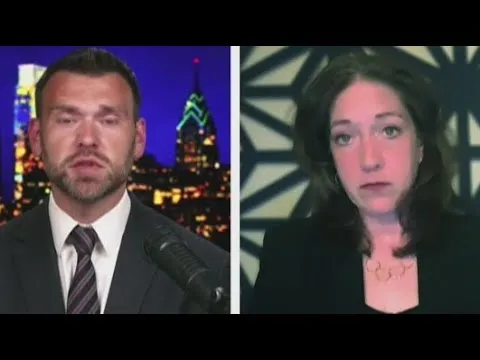
Source: Jack Posobiec, Jennifer Gavito break down MAGA division, Iran | On Balance (YouTube)

Related Articles
Trump Faces Backlash as Allies Criticize His War Strategy
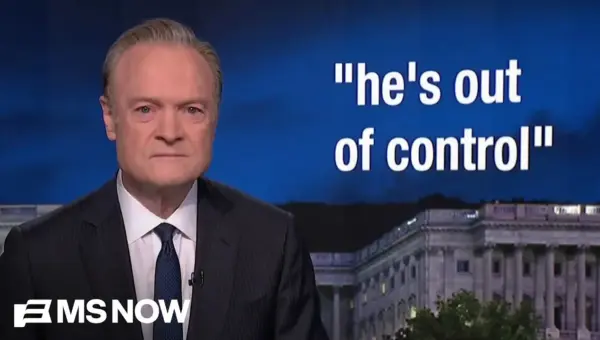
Donald Trump is facing increasing criticism from allies and political figures over his handling of a foreign conflict, with concerns mounting about his mental stability and decision-making. His wife, Melania Trump, has entered the discourse, calling for testimony from Epstein survivors, while figures like Marjorie Taylor Greene question his fitness for office. Reports also highlight issues with military preparedness and Trump's unique approach to international negotiations.
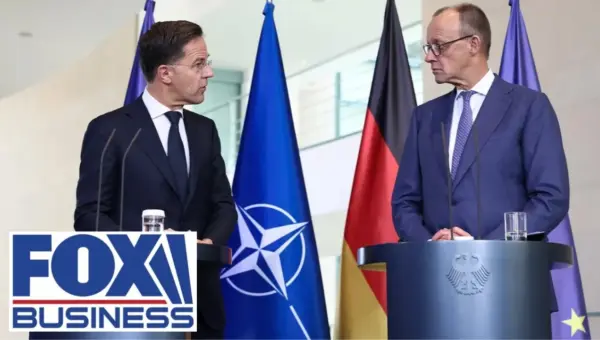
Rutte Faces Backlash: Trump Allies Criticize NATO Chief
NATO Secretary General Jens Stoltenberg's remarks on global safety and Iran's nuclear program have drawn fire from Trump allies. Former State Department official Christian Whiton called Stoltenberg the "odd man out" in Europe, questioning the substance behind his supportive words for U.S. policy. The debate also raises questions about potential U.S. troop realignments within the NATO alliance.

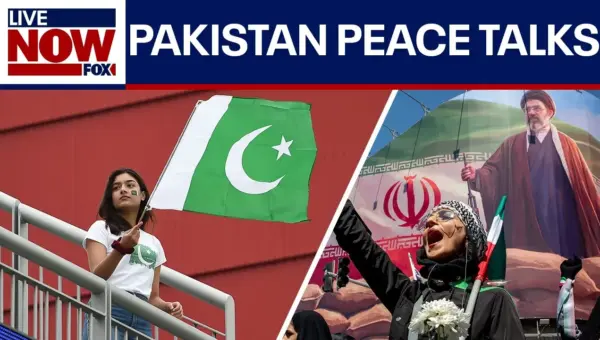
Pakistan Mediates High-Stakes Peace Talks Between US and Iran
Pakistan is set to mediate critical peace talks between the United States and Iran in Islamabad this weekend. The negotiations aim to de-escalate rising tensions, with former National Security Advisor Moed Yusef explaining the importance of private discussions and the challenges of overcoming public demands. While cautious optimism surrounds the event, experts stress that a comprehensive deal is unlikely, with a ceasefire extension being a more immediate goal.