Iran Tests Long-Range Missile, Sparking Global Concern
Iran has tested a long-range ballistic missile capable of reaching Europe and Asia, sparking global concern. Twenty nations have issued a joint statement condemning Iran's actions and offering to help keep the Strait of Hormuz open. Analysts also discussed concerns over Iran's nuclear program and potential economic impacts.

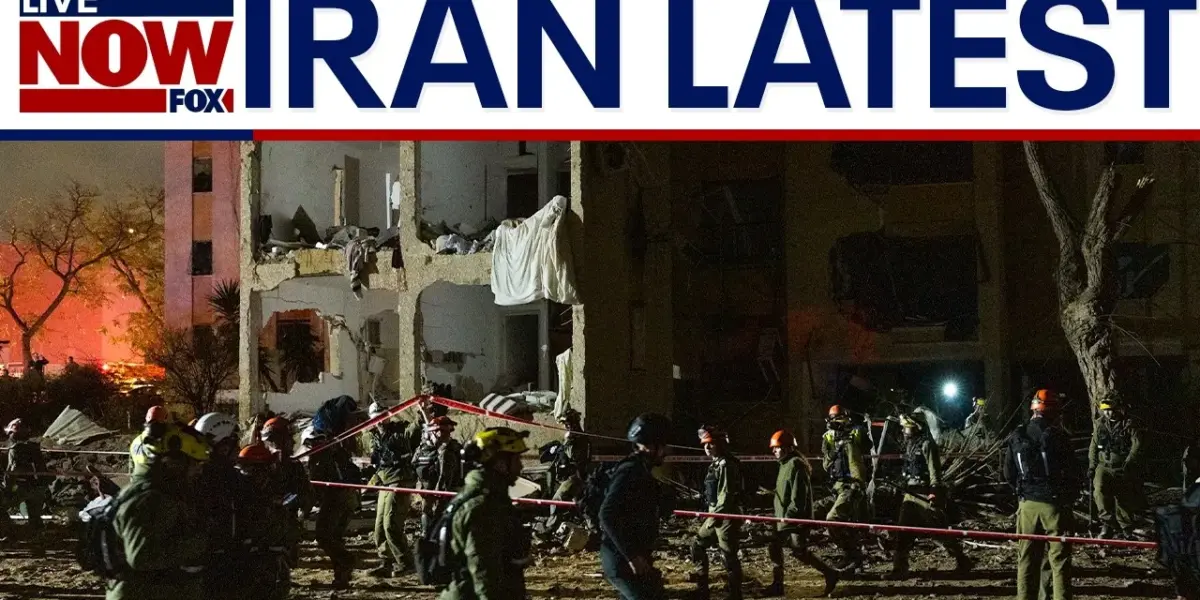
Iran Fires Long-Range Missile, Threatening Europe and Asia
Iran has successfully tested a long-range ballistic missile capable of reaching targets up to 4,000 kilometers away. The launch, part of an operation named ‘Roaring Lion,’ has raised alarms across Europe, Asia, and Africa. The Israeli Defense Forces (IDF) confirmed the test, stating that Iran has been developing such missiles since June 2025. This new capability significantly expands Iran’s reach, with potential targets including major European capitals like London, Paris, and Rome, as well as cities across Africa and all of India.
Missile Defense and Detection Challenges
Military analysts discussed the challenges of detecting and intercepting such long-range threats. Launchers for these missiles, often mobile transporter-erector-launch systems, can be hidden in underground facilities. While satellite and sensor systems can detect launches due to the large explosion, the challenge lies in striking the missile before it returns to cover. The IDF and US forces have had success in targeting these mobile launchers, but the question remains how many of these advanced missiles Iran possesses.
International Condemnation and Naval Cooperation
In response to recent attacks on commercial vessels and infrastructure in the Strait of Hormuz, 20 countries, including the UAE, the United Kingdom, France, Germany, Japan, and Canada, issued a joint statement. They condemned Iran’s actions and expressed a willingness to contribute to efforts to keep the Strait of Hormuz open for international commerce. This statement comes after President Trump’s criticism of some allies for not contributing enough to regional security.
“This is a response to some of the rhetoric. They’d like to obviously temper that rhetoric. Uh, I don’t think any country likes the president of the United States calling him a coward for not for not contributing forces.”
Experts noted that this joint statement serves as a political step, moving from condemnation to a potential commitment of resources. Countries like Saudi Arabia and the UAE possess mine sweepers and fast patrol boats, while Japan and South Korea have capable navies that could contribute to securing the vital waterway. The goal is to ensure the free flow of oil and international trade, benefiting all involved.
Targeting Diego Garcia and NATO Territory
The missile launch was reportedly aimed at Diego Garcia, a strategically important US military base in the Indian Ocean. This location is British Indian Ocean territory, making the launch an apparent strike on sovereign British soil. This incident, along with past actions involving Hezbollah targeting British bases in Cyprus, highlights the increasing boldness of Iran and its proxies. The fact that Iran has also fired missiles towards Turkey, another NATO member, adds a layer of political complexity to the regional tensions.
Concerns Over Iran’s Nuclear Program
The discussion also touched upon Iran’s nuclear program, specifically mentioning the Natanz uranium enrichment facility. While previous strikes may have damaged facilities, concerns remain about Iran potentially possessing enriched uranium. Analysts warned that Iran could theoretically use this material to create a ‘dirty bomb’ – a radiological dispersion device – by combining it with explosives. Such a device could cause widespread contamination and disruption in major cities across the Gulf, significantly altering the political landscape.
US Military Posture and Future Deployments
In the immediate term, military analysts are watching for the arrival of the 31st and 11th Marine Expeditionary Units in the Persian Gulf region. These deployments will bolster US military presence and capabilities. Additionally, there is speculation that an amphibious ready group with a Marine Expeditionary Unit from the Atlantic could be redeployed to the Central Command’s area of responsibility, potentially to address situations in the Caribbean or to conduct operations in the region.
Broader Economic Impacts
Beyond military and political developments, the disruption in the Strait of Hormuz has significant economic consequences. Experts pointed to soaring prices for liquefied natural gas and oil. Furthermore, there have been substantial price increases for fertilizer, much of which is produced in the Persian Gulf region. This shortage comes at a critical time for global agriculture, potentially leading to further food security issues in the coming months.
Source: Trump considers 'winding down' war in Iran (YouTube)

Related Articles


U.S. Iran Tensions Rise Amid Shifting Alliances
Rising tensions between the U.S. and Iran are creating a volatile geopolitical situation. With conflicting signals on de-escalation and potential shifts in alliances like NATO and U.S.-Israel relations, the path forward remains uncertain. The global economy and regional stability hang in the balance.


Trump Halts Iran Strikes Amid Stalled Diplomacy
President Trump announced a pause on planned strikes against Iran, citing productive talks, though Iran denies negotiations occurred. Reports also suggest a potential U.S. ground operation on Iran's Hark Island. The situation raises concerns about international support for Ukraine and potential shifts in U.S. foreign policy.

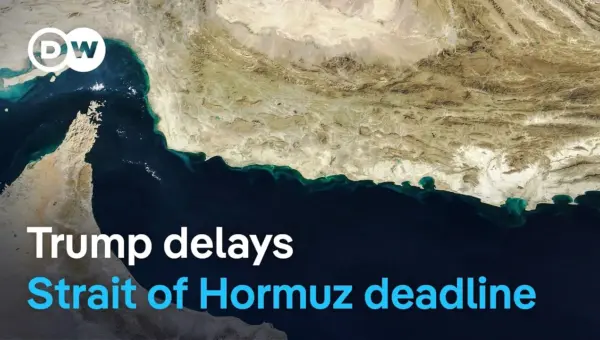
Trump Delays Iran Strike Deadline Amidst Shifting Diplomacy
President Donald Trump has extended his deadline for potential strikes on Iranian energy plants to April 6th, amid reports of U.S.-Iran diplomatic talks mediated by Pakistan. This move comes as Israel continues its strikes on Iran and the U.S. deploys additional military assets to the region. Analysts point to mixed signals, economic pressures, and strategic miscalculations as key factors shaping the evolving situation.