Iran Tests Global Order Amid Strait of Hormuz Standoff
Peace talks loom as Iran's control over the vital Strait of Hormuz fuels global concern. Analysts question Iran's commitment to agreements, while regional demands and proxy conflicts complicate diplomatic efforts. The situation tests the international order and global energy security.

Iran Tests Global Order Amid Strait of Hormuz Standoff
High-stakes peace talks are set to begin, but a critical flashpoint over the Strait of Hormuz and Iran’s willingness to honor agreements are casting a long shadow. The United States is preparing to send a delegation to Pakistan, aiming to de-escalate tensions. However, concerns are mounting about Iran’s reliability as a negotiating partner and its control over a vital global oil shipping lane.
US Delegation Sparks Debate
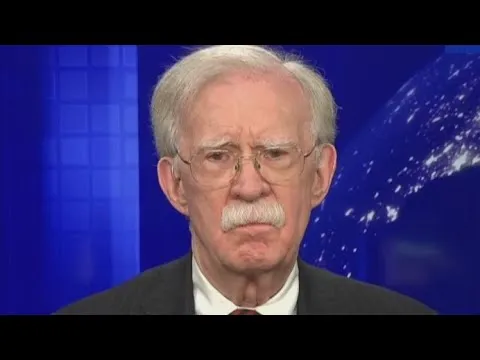
Vice President JD Vance is slated to lead the American team at the upcoming talks. This decision has drawn scrutiny. Some, like former UN Ambassador John Bolton, argue that the Secretary of State should lead such negotiations. Bolton believes sending the Vice President, who is second only to the President, elevates the stakes unnecessarily. He also noted that adversaries should not dictate who the U.S. negotiates with. Reports suggest Iran specifically requested to negotiate with Vance, and also stated they did not want former officials like John Kushner or David C. We had a situation where Iran asked for Vance. The US agreed. This is not how negotiations usually work. The US should pick its own team.
Strait of Hormuz: A Vital Artery Under Threat
A major point of contention is Iran’s control over the Strait of Hormuz. This narrow waterway is crucial for global oil supplies, with a significant portion of the world’s oil passing through it daily. Recent actions by Iran have tightened control over shipping routes. They are now charging tolls and directing traffic along routes that hug the Iranian coastline. This situation is seen by many as unacceptable. It challenges a long-standing principle of international policy: that no single power should control access to vital global resources like oil. The Gulf Arab states, like Saudi Arabia and the UAE, are particularly concerned about being subject to Iranian dominance. This control over the Strait is more than just a regional issue; it directly impacts global energy security and economic stability.
Iran’s Negotiating Stance: Trust Deficit
A significant concern raised by analysts like John Bolton is Iran’s history of agreeing to terms and then failing to uphold them. This creates a deep trust deficit. The idea is that Iran might agree to peace or open passage through the Strait, only to ignore those promises later. This pattern makes diplomatic solutions challenging. The question is whether any agreement reached will be honored. Some believe the only way to truly ensure freedom of passage through the Strait is through military action, not just diplomacy. The fear is that if the Strait is reopened solely through negotiation, Iran could close it again in the future.
Lebanon Cease-Fire Demand Complicates Talks
Adding another layer of complexity, Iran has indicated it may not attend the Saturday talks unless there is a cease-fire in Lebanon. This demand links the peace negotiations to the ongoing conflict involving Israel and Hezbollah. While Israel’s Prime Minister Netanyahu has spoken of discussing a cease-fire next week, he has stated it would not apply to Lebanon. The U.S. and Vance have echoed this sentiment. However, Iran and Pakistan are pushing for the cease-fire to include Lebanon. This creates a fundamental disagreement on the scope of the proposed truce. It also highlights the complex regional dynamics, where Iran uses proxies like Hezbollah to exert influence.
Hezbollah: A Proxy Threat
Hezbollah, based in Lebanon, is described as an agent and proxy of the Iranian government. It has been a threat to Israel since the early 1980s. The United Nations Security Council passed Resolution 1701 in 2006, calling for the disarmament of Hezbollah. However, both Iran and Hezbollah have consistently ignored this resolution for nearly two decades. The possibility of Israel and the Lebanese government working together to weaken Hezbollah is seen as a significant step forward, potentially reducing regional fear of its terrorist activities.
NATO’s Role and Perceived Weakness
The discussion also touched upon the role of NATO in international conflicts. Former Secretary of Defense Mark Esper expressed surprise at the war in Iran and stated that NATO was slow to help but would now offer support. However, John Bolton emphasized that NATO is a defensive alliance, not a tool for offensive wars. He argued that NATO members are not obligated to join the U.S. in every conflict, citing historical examples like Vietnam and Korea. Bolton suggested that both the U.S. and its allies have performed poorly in this crisis, highlighting a need for better coordination and understanding of NATO’s defensive mandate.
Global Impact: Reshaping the World Order
The ongoing tensions surrounding Iran, the Strait of Hormuz, and regional proxies like Hezbollah have significant global implications. The control or freedom of passage through the Strait of Hormuz directly impacts global energy prices and supply chains. Any instability in this region can trigger economic shocks worldwide. Iran’s actions challenge the existing international order, which relies on freedom of navigation and predictable trade routes. The willingness of major powers to uphold these principles, and the ability of Iran to undermine them, will shape future geopolitical alliances and economic stability. The current situation underscores a broader trend of rising regional powers asserting their influence and testing established international norms.
Future Scenarios
Several future scenarios are possible. One is a successful diplomatic resolution that guarantees freedom of navigation through the Strait of Hormuz and de-escalates regional tensions. Another is continued brinkmanship, with Iran potentially closing the Strait again, leading to increased military responses from the U.S. and its allies. A third scenario involves the prolonged stalemate, where tensions remain high, impacting global markets and regional stability without a clear resolution. The reliability of Iran’s commitments will be a key factor in determining which path unfolds.
Source: Iran will agree to anything and then ignore it: John Bolton | Elizabeth Vargas Reports (YouTube)

Related Articles

Iran Deal Faces Skepticism Amid US Scientists’ Mysterious Deaths
Skepticism surrounds potential US-Iran negotiations due to Iran's history of deception. Meanwhile, rising gas prices are blamed on market manipulation, not free capitalism. The discussion also highlights alarming, unexplained deaths of US scientists, raising questions about government transparency and accountability.


Iran War Looms as China Pushes for Deal
Confusion over draft registration changes and escalating tensions with Iran dominate geopolitical discussions. While China pushes for a diplomatic solution to prevent conflict, the US faces complex negotiations. Meanwhile, the First Lady addresses rumors, seeking to clear her name amidst ongoing scandals.


Lawmakers Probe Geopolitical Betting Platform for Insider Trading
Lawmakers are demanding an investigation into the prediction market platform Polymarket due to anonymous bets placed on major geopolitical events hours before they happened. Concerns are mounting over potential insider trading and national security risks, as the platform's use of cryptocurrency makes user identities difficult to trace.