Iran Tensions Threaten Global Oil Flow Through Key Strait
The Strait of Hormuz, a vital global energy choke point, is experiencing severely reduced ship traffic, threatening the world's oil supply. Limited pipeline alternatives cannot compensate for the typical 20 million barrels daily flow, and energy infrastructure remains vulnerable to attack. The disruption highlights a critical lack of substitutes for this key waterway, putting global energy systems under increasing pressure.

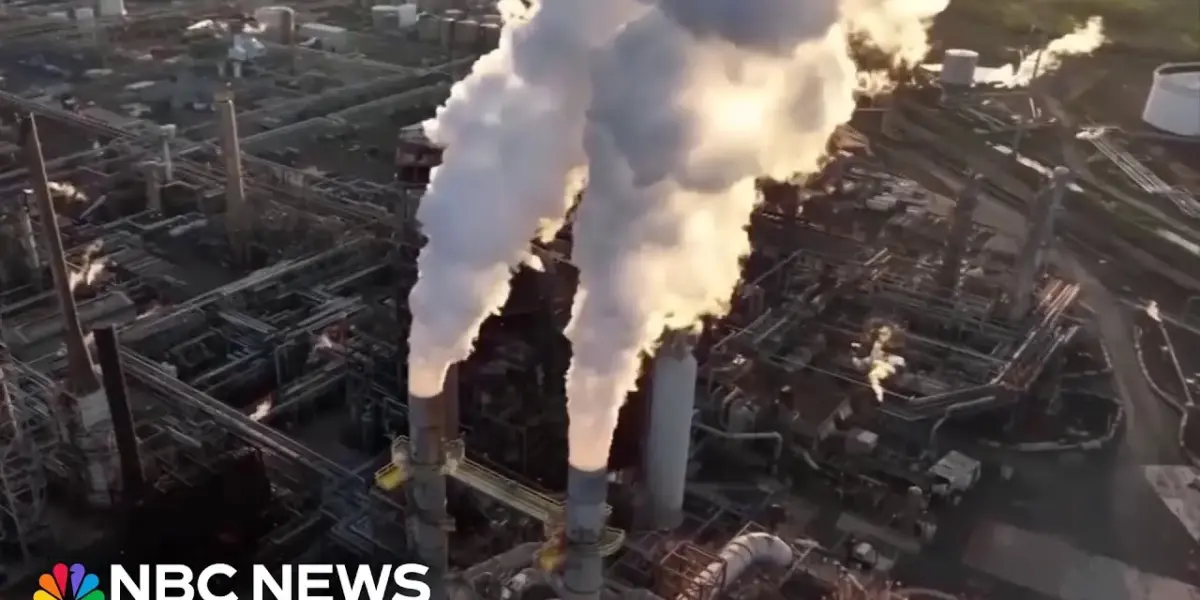
Global Oil Supply at Risk as Hormuz Strait Faces Disruption
A critical global energy artery, the Strait of Hormuz, is experiencing severely reduced ship traffic, raising alarms about the stability of the world’s oil supply. The United States government identifies this narrow waterway as the planet’s most vital energy choke point. Typically, approximately 30% of the world’s daily oil shipments pass through this vital passage. However, recent events have drastically slowed traffic to a mere trickle, with only a handful of tankers, primarily from Iran, managing to get through, according to the White House.
Why the Strait of Hormuz Matters
The Strait of Hormuz has long been a major concern for intelligence analysts and military planners. “It’s always what intelligence analysts, military planners have been concerned about,” noted one expert. “We have never had an extended shut-in of the Strait of Hormuz.” This vital strait connects the Persian Gulf to the Gulf of Oman, serving as the main route for oil tankers moving from Middle Eastern producers to global markets.
Limited Alternatives for Oil Transport
With Iran appearing to dig in and the U.S. President suggesting allies may not assist in securing the strait, the prospect of an extended shutdown looms. Experts warn that the options for bypassing the strait are severely limited. Several existing pipelines offer alternative routes, though they cannot compensate for the vast volume of oil typically transported by sea.
Key Bypass Pipelines
- The United Arab Emirates’ Abu Dhabi crude oil line moves oil to the east of the strait, closer to open waters.
- Saudi Arabia’s East West pipeline redirects oil over a thousand kilometers to the Red Sea.
Together, these pipelines have the capacity to move between 3 to 6 million barrels of oil per day, according to the International Energy Agency. However, this capacity is only a fraction of the nearly 20 million barrels that usually flow through the Strait of Hormuz daily.
Challenges with Other Oil Routes
Iraq’s oil minister has stated that the country is working to restore the Kirkuk-Ceyhan pipeline, which could carry a few hundred thousand barrels a day to Turkey. This pipeline has been largely out of service for a decade due to attacks and political tensions in the Kurdistan region. John Kildoff, founding partner of Again Capital, a New York-based hedge fund focused on energy markets, highlighted the difficulties. “There aren’t really any good quick answers for this one just because of the volumes involved,” he stated. He added that the limitations in pipeline capacity make them an unreliable long-term solution for such a significant disruption.
Vulnerability of Energy Infrastructure
Beyond just the physical capacity to move oil, the pipelines themselves are vulnerable targets. Energy infrastructure across the Persian Gulf is highly susceptible to attack. “All the energy infrastructure in the Persian Gulf is very vulnerable to attack,” an analyst observed. This vulnerability means that even alternative routes could be compromised, further threatening supply chains.
Impact on Global Economy and Oil Quality
The disruption extends beyond simply moving oil; access to the right type of oil is crucial for the global economy. Analysts at Goldman Sachs point out that the world economy relies heavily on medium and heavy crude oil, which is primarily sourced from the Persian Gulf. This oil is then refined into essential fuels like diesel and jet fuel. “Is there any substitute for the Strait of Hormuz?” asked one observer. The stark reality is, “There really isn’t.”
Mounting Pressure on Energy Systems
As the Strait of Hormuz remains disrupted, pressure builds across the entire global energy system. A prolonged shutdown could lead to significant price increases and supply shortages worldwide. The interconnected nature of global energy markets means that instability in one key region can have far-reaching consequences for consumers and industries alike.
What to Watch Next
The situation in the Strait of Hormuz remains a critical point to monitor. Developments in regional tensions, international diplomatic efforts, and the security of alternative energy routes will be key factors influencing global oil supplies in the coming weeks and months. Any further escalation or prolonged disruption could lead to significant impacts on energy prices and availability worldwide.
Source: How the war with Iran impacts global energy supply (YouTube)

Related Articles


Trump Halts Iran Strikes Amid Stalled Diplomacy
President Trump announced a pause on planned strikes against Iran, citing productive talks, though Iran denies negotiations occurred. Reports also suggest a potential U.S. ground operation on Iran's Hark Island. The situation raises concerns about international support for Ukraine and potential shifts in U.S. foreign policy.

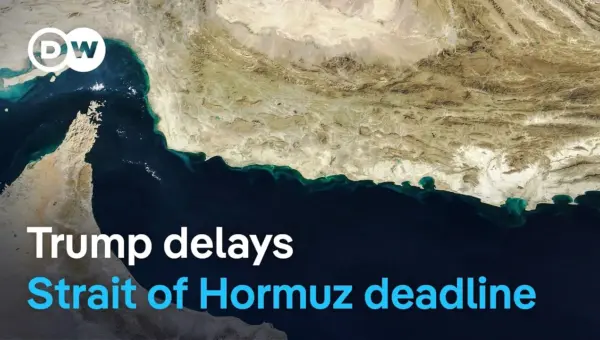
Trump Delays Iran Strike Deadline Amidst Shifting Diplomacy
President Donald Trump has extended his deadline for potential strikes on Iranian energy plants to April 6th, amid reports of U.S.-Iran diplomatic talks mediated by Pakistan. This move comes as Israel continues its strikes on Iran and the U.S. deploys additional military assets to the region. Analysts point to mixed signals, economic pressures, and strategic miscalculations as key factors shaping the evolving situation.


Iran War Claims Ring Hollow as US Troops Injured in New Attack
Days after Donald Trump claimed "we've won" the war with Iran, a new attack injured approximately a dozen U.S. troops and damaged aircraft. This incident contradicts Trump's assertions of victory and raises serious questions about the strategy and reality of the ongoing conflict.