Iran Tensions Surge: New Leader, Oil Attacks Spark Global Concern
Tensions surge in the Middle East as Iran appoints Mojtaba Khamenei as its new Supreme Leader following his father's assassination. Simultaneously, Israeli airstrikes on Iranian oil depots ignite global oil prices and environmental concerns, while the conflict with Lebanon intensifies.

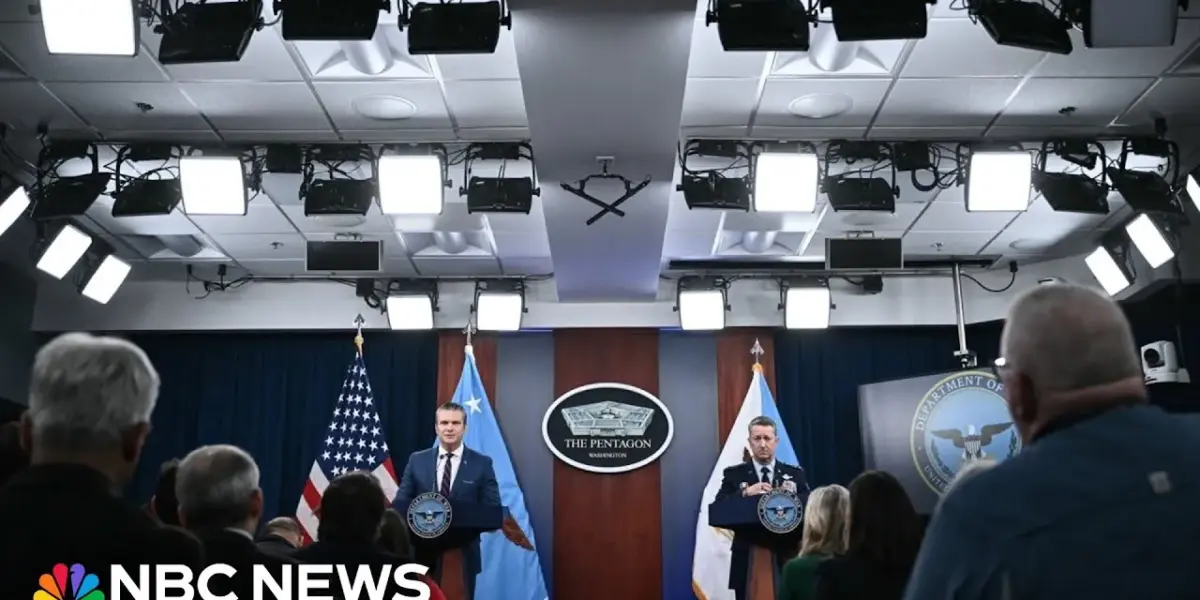
Middle East Conflict Escalates Amidst Leadership Change and Oil Depot Strikes
The war in the Middle East shows no signs of abating, with escalating tensions following the appointment of Mojtaba Khamenei as Iran’s new Supreme Leader and significant Israeli airstrikes on Iranian oil depots. These developments, occurring on Sunday, have sent shockwaves through global markets and geopolitical circles, raising fears of a prolonged and intensified conflict.
New Leadership in Iran Amidst Retaliation
Mojtaba Khamenei, the son of the recently assassinated Supreme Leader Ayatollah Ali Khamenei, has been named to succeed his father. The appointment of the 56-year-old hardline cleric, who is reportedly close to the Islamic Revolutionary Guard Corps (IRGC), signals a potential continuation of the current regime’s policies. International correspondent Matt Bradley, reporting from Tel Aviv, noted that Mojtaba Khamenei is believed to be in hiding due to open threats from both the United States and Israel. His entire immediate family was reportedly killed in the airstrike that claimed his father’s life, leaving him as the sole survivor. Experts suggest his rise to power aligns with warnings about hardline successors potentially taking the helm, especially given his stance against reformists and his support for Iran’s nuclear weapons program.
Alex Vatanka, a Senior Fellow at the Middle East Institute, offered a nuanced perspective on Mojtaba Khamenei’s ascent. “He is not someone who controls much as of today. He needs time to grow into this office if he’s not assassinated,” Vatanka stated, adding that Khamenei’s position is less about religious credentials and more about symbolizing the power of the Revolutionary Guard. He characterized the new leader as a figurehead who will maintain the theocracy, with the IRGC likely calling the actual shots.
Israeli Strikes Ignite Oil Prices and Environmental Concerns
Over the weekend, Israel launched significant airstrikes targeting multiple Iranian oil depots. The attacks resulted in massive fires that blanketed the capital, Tehran, with toxic black fumes, described by eyewitnesses as “apocalyptic.” These strikes have directly fueled a new surge in oil prices, pushing them past $100 a barrel for the first time since 2022. President Trump, while downplaying the price increase as a “very small price to pay,” indicated no immediate willingness to de-escalate the conflict. Iran’s Foreign Minister, in an interview on Meet the Press, echoed this sentiment, stating that Iran is not looking to settle and requires an explanation for the “aggression” before even considering a ceasefire. He characterized the current actions as an “illegal act of self-defense” imposed by the United States and Israel.
“We’re not looking to settle. They’d like to settle. We’re not looking to settle.” – Iranian Foreign Minister
The environmental and health impacts of the oil depot attacks are a major concern for Iran, which has declared its worries regarding the toxic fallout. Notably, the targeting of energy infrastructure by Israel draws parallels to Russia’s actions in Ukraine, which have been widely condemned as war crimes by the international community. NBC News correspondent Matt Bradley pointed out that the United States was reportedly unhappy with Israel’s decision to target energy infrastructure.
Lebanon Conflict Intensifies, Displacing Hundreds of Thousands
Beyond Iran, Israel’s ground and air attacks on Lebanon continue to escalate. The Lebanese government reports that over half a million people have been displaced, with more than 400 individuals killed. This offensive is seen as a proximate war stemming from the broader conflict between Israel, the US, and Iran. Israel has demanded that Lebanese civilians retreat past the Litani River, indicating an ongoing and potentially widening operation.
US-Iran Dynamics and Potential Russian Involvement
The geopolitical landscape is further complicated by potential Russian involvement. Iran’s Foreign Minister, while not explicitly confirming or denying Russian assistance in locating US forces, acknowledged a “strategic partnership” and ongoing “military cooperation” with Russia. NBC News had previously reported, citing sources, that Russia was providing intelligence on the location of US forces in the region. Colonel Steve Warren, an NBC News military analyst, noted that while the level of intelligence is unclear, any such support from Russia, which possesses advanced satellite capabilities, is a cause for concern. He distinguished between simple location intelligence and “target quality intelligence,” suggesting the former is more likely.
Investigation into School Attack and US Military Stance
An investigation is underway regarding a strike on an Iranian elementary school that killed over 170 people, many of them children. Preliminary findings suggest that an American munition may have been used. Colonel Warren explained the investigative process, which involves examining all targets serviced, aircraft activity, and munition deployment. He emphasized that the US military “never has and never will target a school,” and the focus of the investigation is to determine if there was a targeting mistake, an intelligence failure, or a munition malfunction.
US Domestic Concerns: Service Member Deaths and National Guard Deployment
Domestically, the conflict has led to the death of a seventh US service member in the Middle East, who was injured in an earlier Iranian counterattack. President Trump has also threatened the newly appointed Iranian leader, warning of “complete destruction and certain death” for certain groups if they do not gain his approval. Furthermore, National Guard units, including those from New Hampshire and Vermont, are being deployed to support the ongoing operations, potentially indicating a prolonged US military commitment in the region.
Travel Disruptions Amidst Government Shutdown
Adding to the existing global anxieties, the United States is experiencing significant travel disruptions. A security scare at Kansas City International Airport led to a mass evacuation, while TSA staffing shortages, exacerbated by a partial government shutdown, are causing hours-long waits at major travel hubs like New Orleans and Houston. Airport officials are urging travelers to arrive significantly earlier for their flights, highlighting the strain on the system during the upcoming spring travel season.
Severe Weather Threatens Central US
Meanwhile, the central United States is bracing for a week of dangerous severe storms, following a weekend of deadly tornadoes that claimed at least eight lives. Meteorologist Andrea Romero forecasts a high risk of damaging hail, flash flooding, and potential tornadoes across several states, including Arkansas, Mississippi, Alabama, Oklahoma, and Texas. The storm threat is expected to continue eastward into Wednesday, impacting areas as far north as Chicago and potentially bringing damaging winds to the Northeast.
Source: This Morning’s Top Headlines – March 9 | Morning News NOW (YouTube)

Related Articles


Iran Appoints New Leader Amid Escalating Global Tensions
Iran has appointed Mojtaba Khamenei, son of the former leader, as its new Supreme Leader amidst escalating international conflict. The war has driven oil prices to record highs, impacting global markets and American consumers. Meanwhile, the U.S. military toll rises, and travel faces significant disruption due to the government shutdown.

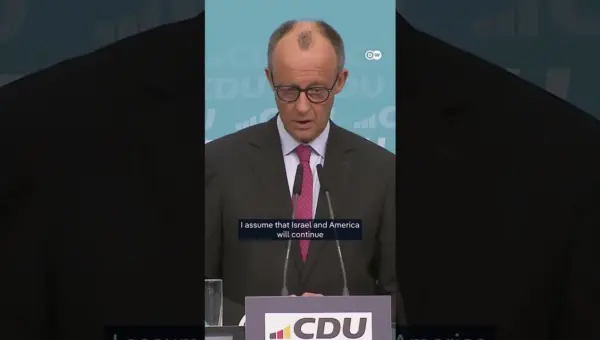
Merz: “Iran is the center of international terrorism, and must be shut down”
CDU leader Friedrich Merz has labeled Iran the "center of international terrorism" and called for the downfall of its current regime. Merz argued that regime change in Tehran is the quickest path to ending regional conflicts and that Iran's support for groups like Hamas and Hezbollah makes it a primary threat.
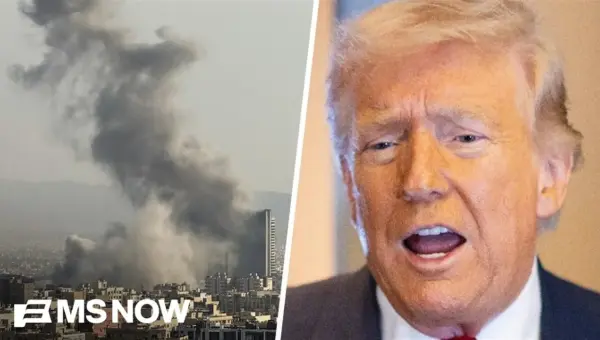
US Mulls Iran Ground Troops, Draft Amid Escalating Tensions
The White House is reportedly considering extreme military options against Iran, including the potential deployment of ground troops and even a military draft. Retired Colonel Jack Jacobs expressed skepticism about a draft but discussed limited scenarios for special forces raids.