Iran Tensions Spike, Defense Budget Soars, DHS Shutdown Continues
Iran escalates threats in the Gulf, demanding a deal to reopen the Strait of Hormuz or face retaliation. Simultaneously, a massive $1.5 trillion defense budget is proposed in the U.S., while the Department of Homeland Security remains in a protracted shutdown. The debate over Cuba policy also intensifies, with China stepping in to aid the island nation.

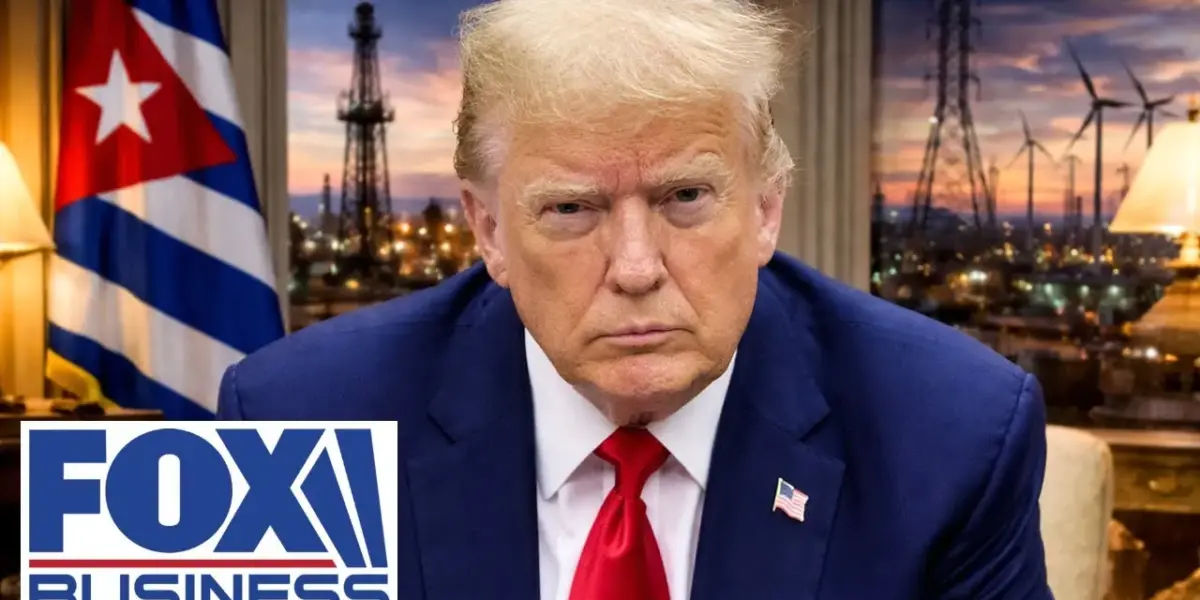
Global Tensions Escalate as Iran Threatens Oil Supplies
New reports indicate Iran’s Islamic Revolutionary Guard Corps (IRGC) is escalating threats against its Gulf neighbors. The IRGC claims it will target U.S. infrastructure in the region and disrupt vital oil and gas supplies for years to come. This comes as President Trump has set a firm deadline of 8:00 PM Eastern tonight for Iran to strike a deal and reopen the Strait of Hormuz. Failure to do so, the President stated, could lead to the destruction of Iran’s bridges and power plants.
The U.S. has engaged in communication with Tehran, but reports suggest Iran has rejected a proposal for a 45-day ceasefire. Instead, Iran has put forth a ten-point plan. This plan demands an immediate end to the conflict, safe passage through the Gulf, and the lifting of sanctions, along with reconstruction aid. Congressman Carlos Jiminez, a member of the Armed Services Committee, views Iran’s actions as a clear demonstration of why a nuclear-armed Iran is unacceptable. He stressed the need to finish the job, comparing Iran to a cancer that must be eliminated, even if the cure is difficult. General Jack Keane also commented, urging the U.S. not to be intimidated and to see the mission through, ensuring the regime is no longer a threat.
Massive Defense Spending Proposed Amidst Budget Battles
In parallel with international tensions, President Trump has requested $1.5 trillion for defense spending as part of the fiscal year 2027 budget. This represents a nearly 40% increase from 2026 levels. The proposal includes approximately $1 trillion in base defense funding and $350 billion for munitions and industrial capacity. It also earmarks funds for the Golden Dome missile defense system, which utilizes space-based technology. This significant defense increase is proposed alongside cuts to domestic programs. The plan includes a 10% reduction in non-defense discretionary spending, impacting agencies like NASA, the State Department, and the EPA.
Congressman Jiminez acknowledged the need for increased defense spending but expressed skepticism about reaching the $1.5 trillion mark. He noted that previous budget discussions found it challenging to reach $1 trillion. While he supports spending whatever is necessary to protect America, he anticipates significant negotiation. He suggested a more realistic figure might be around $1.2 trillion. The Congressman also highlighted the difficulty of finding cuts within the existing budget, as 70% of funding is already allocated to non-discretionary areas, with defense consuming a large portion of the remaining 30%. He also pointed to the Senate’s composition and the filibuster as potential hurdles to passing such a large budget.
Department of Homeland Security Shutdown Continues
The Department of Homeland Security (DHS) remains in a partial shutdown, now entering its 53rd day. Lawmakers are divided on returning from recess to address the funding issue. Congressman Jiminez criticized Democrats for what he called an irresponsible handling of the situation, prioritizing politics over national security. He questioned the decision to defund an agency responsible for combating terrorism, especially after four years of open borders. The Congressman believes the ball is in the Senate’s court. He explained that the House has sent over a partial funding bill that excludes ICE and Customs and Border Protection. However, a second part of the plan involves a reconciliation bill that would include this funding, potentially with additional resources for issues like missing children.
Jiminez expressed hope that the Senate would work on the reconciliation bill, allowing both bills to pass and resolve the DHS funding issue. He suggested that ICE and CBP could be funded through the remainder of President Trump’s term, avoiding a similar fight next year. The timeline for getting these bills to President Trump’s desk by June 1st, he noted, depends on the Senate’s commitment to the reconciliation process. He is confident that the House can pass both bills once they are sent over.
Cuba Policy Debate: Suffering and China’s Influence
The conversation also turned to Cuba, where two Democratic lawmakers recently visited. They cited the “suffering” on the ground due to what they called an “illegal energy embargo” imposed by the Trump administration. These lawmakers urged the President to “bring the rhetoric down.” Meanwhile, Cuba is reportedly easing blackouts and shortages by increasing solar imports from China. Beijing supplied one gigawatt of solar panels last year and has pledged further support as Cuba aims for 15% renewable energy by 2026.
Congressman Jiminez expressed skepticism about the effectiveness of these measures, stating that Cuba’s infrastructure, particularly its distribution network, is dilapidated and has not been updated in 60 years. He found it ironic that the focus is not on the regime change needed to truly end the Cuban people’s suffering. Instead, he observed, the focus is on blaming the United States. He criticized the lawmakers’ apparent affinity for regimes that are enemies of the U.S., citing Venezuela’s Maduro and Cuba’s Diaz-Canel. He argued that communist and socialist regimes oppress their people and that calls should be for regime change within Cuba, not for the U.S. to change its policies.
Jiminez recalled President Trump’s comments about the hundreds of millions of barrels of oil removed from Cuba. He believes the real opportunity for Cuba lies in returning to its pre-communist state. He reminded listeners that Cuba had the second-highest standard of living in the world in 1959 before communism and oppression took hold. He concluded that with the current regime gone, Cuba could become a free, democratic, and prosperous nation relatively quickly if it changes its ways.
Market Impact and Investor Considerations
The escalating tensions with Iran create significant uncertainty in global oil markets. Any disruption to oil and gas supplies from the Strait of Hormuz could lead to price spikes and increased volatility. Investors in energy sectors should monitor developments closely.
The proposed $1.5 trillion defense budget signals a major shift in government spending priorities. This could benefit defense contractors and related industries. However, the significant cuts to domestic programs might impact other sectors and consumer spending, requiring careful analysis of the broader economic effects.
The ongoing DHS shutdown highlights political divisions and raises concerns about national security and border management. While the immediate market impact might be limited, prolonged shutdowns can signal governmental dysfunction and potentially affect investor confidence in the short to medium term.
The situation in Cuba, with its reliance on China for energy solutions, underscores the growing influence of Beijing in global markets. Investors tracking renewable energy or geopolitical shifts might find this an area of interest, though direct investment opportunities may be limited.
Source: 'SUFFERING': Democrats BLAST Trump's Cuba policy as CHINA steps in (YouTube)

Related Articles

US Aims to Cripple Iran’s Power Grid to Secure Strait of Hormuz
A new US strategy reportedly targets Iran's power grid, including major plants like Damavand, to force open the Strait of Hormuz. The plan involves multi-stage air attacks using advanced bombers and precision munitions to cripple energy infrastructure and cause cascading failures.

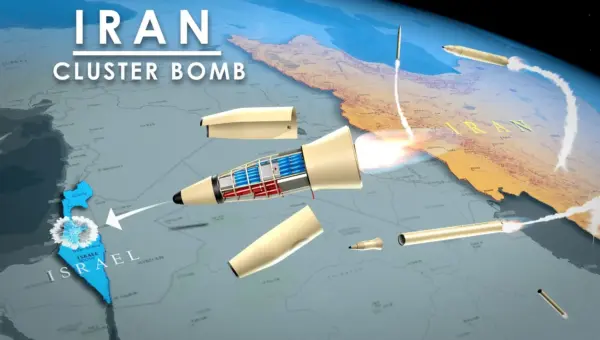
Iran’s Cluster Bombs: A Calculated Gamble to Overwhelm Defenses
Iran's use of cluster bombs against Israel was a deliberate tactic to overwhelm advanced missile defenses. These weapons scatter numerous smaller explosives, making interception difficult. While tactically advantageous, they raise serious humanitarian concerns due to their indiscriminate nature and unexploded ordnance.

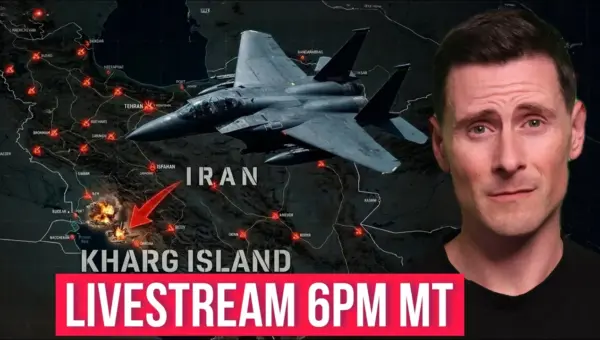
US Air Power Strikes Iran, Warns on Strait of Hormuz
The U.S. military has conducted air strikes on Kharg Island, Iran, targeting military assets. This action follows President Trump's ultimatum for Iran to reopen the Strait of Hormuz. The U.S. warns of further infrastructure action if Iran fails to comply.