Iran Tensions Send Oil Prices Soaring; Farmers Seek Relief
Escalating tensions with Iran are driving oil prices higher, while U.S. troop deployments to the Middle East increase. Meanwhile, American farmers are receiving relief from rising costs through regulatory changes and support measures, as devastating wildfires impact Nebraska's cattle industry.

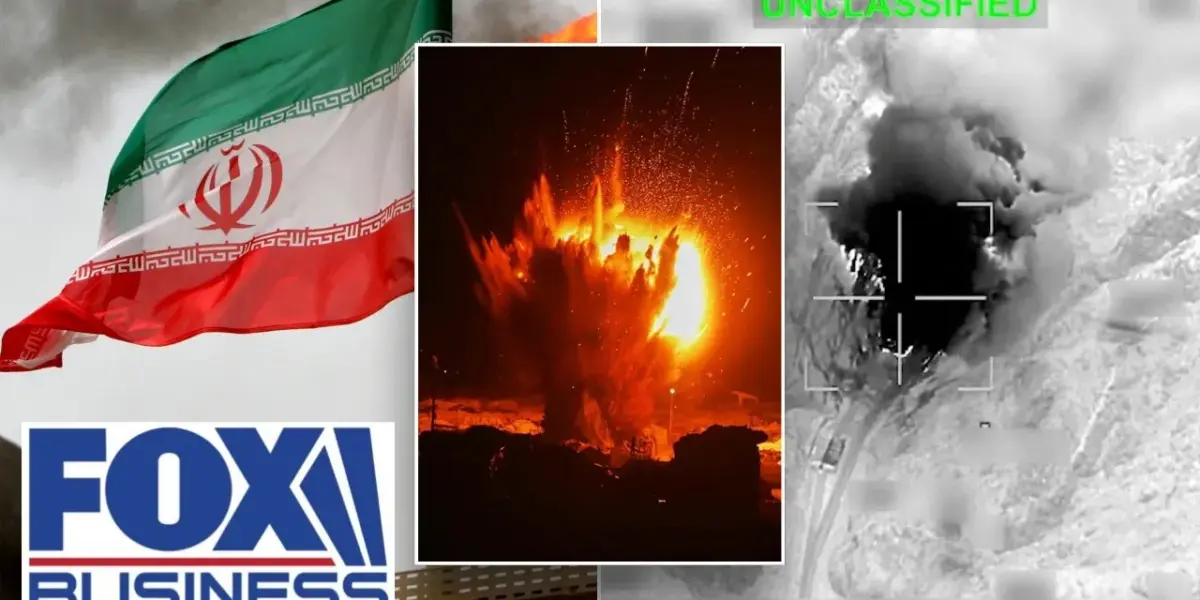
Global Tensions Spike Oil Prices Amidst Iran Standoff
Global oil prices surged this week as tensions between the U.S. and Iran escalated, raising concerns about supply disruptions. Traders are closely watching the Strait of Hormuz, a critical waterway for oil transport, where even a minor incident could trigger a global supply shock. President Trump has extended a deadline for potential strikes on Iran’s energy infrastructure, while back-channel talks reportedly move forward. Despite talk of de-escalation, the U.S. military is sending 10,000 additional troops to the Middle East, including elements of the 82nd Airborne Division.
Senator Ricketts on Military Deployment and Iran’s Capabilities
Senator Pete Ricketts of Nebraska, a member of the Foreign Relations Committee, stated that the administration’s goal is to “degrade” Iran’s missile capabilities. This includes targeting missile launchers, stockpiles, and manufacturing facilities. He highlighted that Iran could be months away from developing missiles capable of reaching the United States, especially if they also develop nuclear weapons. Senator Ricketts emphasized that the U.S. cannot allow Iran to possess such advanced missile technology. He also noted President Trump’s clear stance against deploying U.S. troops for prolonged engagements on the ground, referencing a brief deployment in Venezuela.
Pentagon Funding Request and Military Investment
The Pentagon has requested an additional $200 billion in funding, which may be discussed during budget reconciliation. Senator Ricketts acknowledged the need to review the specifics of this request. He pointed to last year’s $150 billion investment in the military, stressing the importance of a strong defense to deter adversaries like China, Russia, and North Korea. A robust military, he argued, is essential for national security.
Farmers Grapple with Rising Costs and New Relief Measures
The economic impact of global tensions is also affecting American farmers. President Trump hosted farmers and ranchers at the White House to announce relief measures aimed at easing the burden of rising costs for energy and fertilizer. The new guidelines aim to reduce farmer expenses and lower food prices for American families. Key measures include limiting certain Environmental Protection Agency (EPA) regulations, increasing Small Business Administration (SBA) loans, and rolling back regulations on diesel emissions for farm equipment.
Reducing Red Tape for Agricultural Operations
Senator Ricketts, representing Nebraska farmers, believes these regulatory changes are crucial. He explained that reducing “red tape” will help ensure farmers can plant and harvest without fear of their equipment being arbitrarily shut down due to emissions standards. He noted that about 50-70% of equipment problems are related to emissions, and sometimes these issues are not the actual cause of the malfunction. Cutting these regulations is seen as a positive step, especially as the farm country faces low commodity prices and high input costs.
Addressing Diesel Prices and Trade Opportunities
Diesel prices are a significant input cost for farmers. Senator Ricketts indicated that while reducing input prices is a priority, increasing commodity prices and opening up trade opportunities are also vital. He also mentioned the potential benefit of year-round 15% ethanol fuel blends.
Nebraska Wildfires Devastate Cattle Industry
The discussion also turned to the recent devastating wildfires in Nebraska, described as the worst in the state’s history. Over 900,000 acres, an area larger than Rhode Island, were burned. The fires resulted in loss of life, forced hundreds of evacuations, and displaced thousands. Ranchers face a long recovery period, needing assistance for months to feed their cattle due to the destruction of grasslands. Senator Ricketts highlighted the need for flexibility in rebuilding efforts, particularly regarding fencing regulations, as traditional materials may be unavailable or unsuitable after the fires.
Congressional Stock Trading Reform
Finally, Senator Ricketts discussed legislation aimed at prohibiting members of Congress, their spouses, and children from trading publicly listed stocks. He is a co-sponsor of the “Ban Congressional Insider Trading Act,” which has passed the House with bipartisan support and is being advanced in the Senate. This bill builds on previous disclosure requirements, which were deemed insufficient. The proposed legislation would prevent members from buying or selling stocks while in office, requiring them to give 7-14 days’ advance notice if they wish to sell existing holdings. The goal is to prevent even the appearance of impropriety and ensure elected officials are not profiting from insider information.
Source: ‘IMMINENT THREAT’: GOP senator emphasizes importance of ‘degrading’ Iran’s military (YouTube)

Related Articles

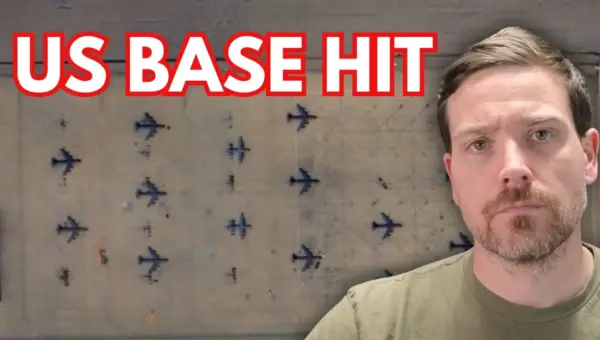
Iran Strikes US Base: Are We Learning from Mistakes?
A recent Iranian drone and missile attack wounded American service members and damaged aircraft in Saudi Arabia. This incident highlights concerns about military preparedness and the failure to learn from past mistakes, as exposed aircraft remain vulnerable targets. The ongoing conflict involves complex regional dynamics, including Iran's missile capabilities and the potential involvement of groups like the Houthis, raising questions about future stability.
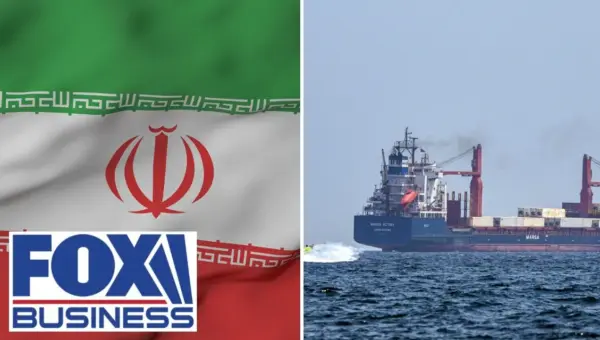
Iran Conflict Sparks Market Volatility, Experts Weigh In
Geopolitical tensions in the Middle East have rattled global markets, with stocks falling and safe-haven assets like the U.S. dollar strengthening. Experts suggest the market may have overreacted, creating potential buying opportunities, but warn of a "bumpy journey" ahead due to infrastructure damage and potential oil shortages. Concerns also linger about the Federal Reserve's independence amidst political commentary.
Iran’s Capabilities Destroyed, Stocks to Soar: Analyst
Geopolitical analysis suggests Iran's military capabilities are nearing destruction, paving the way for U.S. control of the Strait of Hormuz. This resolution is expected to lower oil prices and significantly boost the stock market, according to market watchers.