Iran Tensions Rise: US Troop Deployment Risks Escalation
Retired U.S. Army Major General Randy Manner warns that deploying U.S. airborne troops to Iran could be a costly mistake, risking escalation. Amid conflicting reports on peace talks and ongoing military actions, the situation remains tense. The control of the Strait of Hormuz is a key economic and strategic factor in the ongoing crisis.

Iran Tensions Rise: US Troop Deployment Risks Escalation
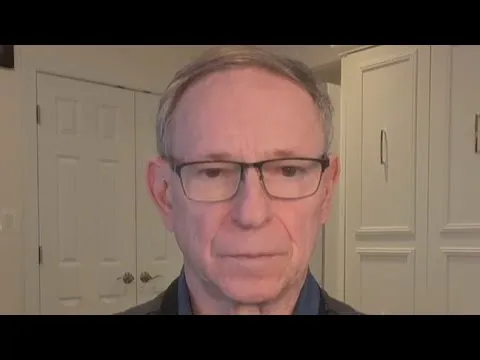
The prospect of deploying U.S. airborne troops to Iran is being called a potentially “costly mistake” by retired U.S. Army Major General Randy Manner. This warning comes amid conflicting signals about potential peace talks and continued military actions in the region. While President Trump insists Iran wants a deal, Iran denies any negotiations are happening. This uncertainty creates a dangerous environment where miscalculation could lead to wider conflict.
Conflicting Signals on Peace Talks
President Trump has repeatedly stated that Iran is eager to make a deal to end the current conflict. He mentioned plans for communication, possibly by phone, to reach a settlement. However, Iran has consistently denied that any talks are underway or have taken place. This difference in statements makes it difficult to understand the true state of negotiations.
General Manner finds it hard to know exactly what is happening behind the scenes. He notes the importance of what is not being reported. While hopeful that President Trump is trying to find a peaceful solution, Manner emphasizes the need to protect U.S. interests. He believes the president’s recent statements suggest certain threats may have been reduced.
Military Actions Continue, Escalation Fears Grow
Despite talk of potential deals, military actions persist. Reports indicate at least four sites in Tel Aviv were hit by Iranian missiles. Israel responded with heavy strikes in Lebanon and expects several more weeks of fighting. This ongoing violence suggests the conflict is far from winding down.
General Manner expressed concern about conflicting information from the Pentagon. He specifically warned against sending the 82nd Airborne Division into Iran. Drawing from his experience as a company commander in the 82nd, he recalled being on standby to deploy to Iran during the fall of the Shah. He stated they were relieved not to go.
Airborne units are lightly armed and not equipped for large-scale engagements. Manner contrasted this with the deployment of over 100,000 U.S. troops to Iraq. He believes a small force in Iran would be ineffective and become a large target, leading to greater escalation. He hopes for cooler heads to prevail and a de-escalation of the situation.
Strait of Hormuz Remains a Critical Flashpoint
Shipping traffic through the Strait of Hormuz remains almost entirely stopped. This vital waterway is crucial for global oil transport. General Manner sees no indication that reopening the Strait is currently part of any negotiation. He stressed that Iran has complete control over whether the Strait stays open or closed.
Manner explained that attempting to take out forces near the Strait would not work. Iran can launch attacks from anywhere within its borders. Their missiles and drones are sophisticated enough to threaten ships from afar. Therefore, he believes de-escalation and cooperation with Iran are necessary to reopen the Strait safely.
The idea of other countries providing ships to secure the Strait is also seen as unworkable. Manner pointed out that these ships could not arrive quickly enough. More importantly, they would lack the U.S. capability to defend against advanced drone attacks. Reopening the Strait, even if an agreement is reached, could take weeks.
Global Impact
The ongoing tensions and potential for escalation in Iran have significant global implications. The Strait of Hormuz is a critical chokepoint for global energy supplies. Any prolonged disruption there can lead to higher oil prices worldwide and impact economies. The possibility of a wider regional conflict involving major powers like the U.S. and Iran could destabilize the entire Middle East, a region vital for global security and trade.
Historical Context
U.S. military involvement in the Middle East has a long history. The mention of the 82nd Airborne’s readiness during the fall of the Shah in 1979 highlights past U.S. concerns about regional stability and potential interventions. The large-scale deployment to Iraq also serves as a reference point for the complexities and costs of military action in the region. The current situation echoes past patterns of engagement, deterrence, and diplomatic maneuvering in a volatile geopolitical environment.
Economic Leverage
The control over the Strait of Hormuz represents significant economic leverage for Iran. By threatening to close the Strait, Iran can disrupt global oil markets and exert pressure on international actors. Conversely, the U.S. and its allies have used sanctions as a tool to influence Iran’s behavior. The effectiveness and consequences of these economic measures are a constant factor in the geopolitical calculations surrounding Iran.
Future Scenarios
One scenario involves continued diplomatic efforts, potentially leading to de-escalation and the reopening of the Strait of Hormuz. This would likely require direct or indirect talks between the U.S. and Iran. Another scenario is further military escalation, with potential U.S. troop deployments and increased Iranian retaliation, leading to a wider regional conflict. A third possibility is a stalemate, where tensions remain high, the Strait stays disrupted, and both sides engage in a prolonged period of limited conflict and economic pressure.
Source: Deploying airborne troops to Iran could be 'costly mistake': Retired general | NewsNation Live (YouTube)

Related Articles

US Strikes Cripple Iran’s Military Might, CENTCOM Reports
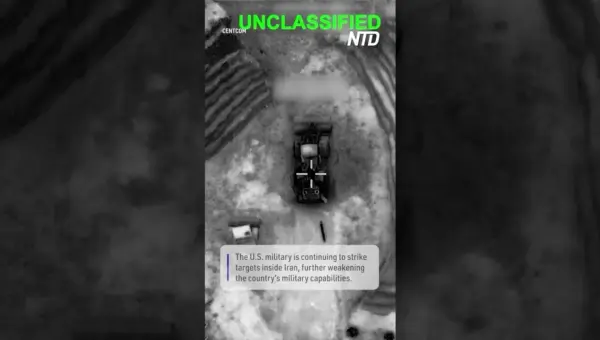
U.S. Central Command reports ongoing strikes inside Iran are significantly weakening its military power. This direct action aims to reshape regional security dynamics, but carries risks of escalation. The long-term impact depends on Iran's response and ability to adapt.

U.S. Iran Tensions Rise Amid Shifting Alliances
Rising tensions between the U.S. and Iran are creating a volatile geopolitical situation. With conflicting signals on de-escalation and potential shifts in alliances like NATO and U.S.-Israel relations, the path forward remains uncertain. The global economy and regional stability hang in the balance.


Iran Targets US With Cyberattacks, Escalating Digital Warfare
Iran is increasingly using cyberattacks to challenge the U.S., as seen in a recent hack of the FBI director's account. Experts say this is a strategic shift due to Iran's limitations in conventional warfare. The U.S. needs to strengthen its digital defenses, focusing on encryption and cloud computing, rather than solely relying on traditional security measures.