Iran Tensions Rise as Trump Delays Strike Threat
President Trump has extended a deadline for potential strikes on Iran's energy facilities, citing good negotiations. Meanwhile, rising oil prices and market drops underscore global economic concerns. Domestically, a dispute over TSA worker pay adds another layer of complexity.

Iran Tensions Rise as Trump Delays Strike Threat
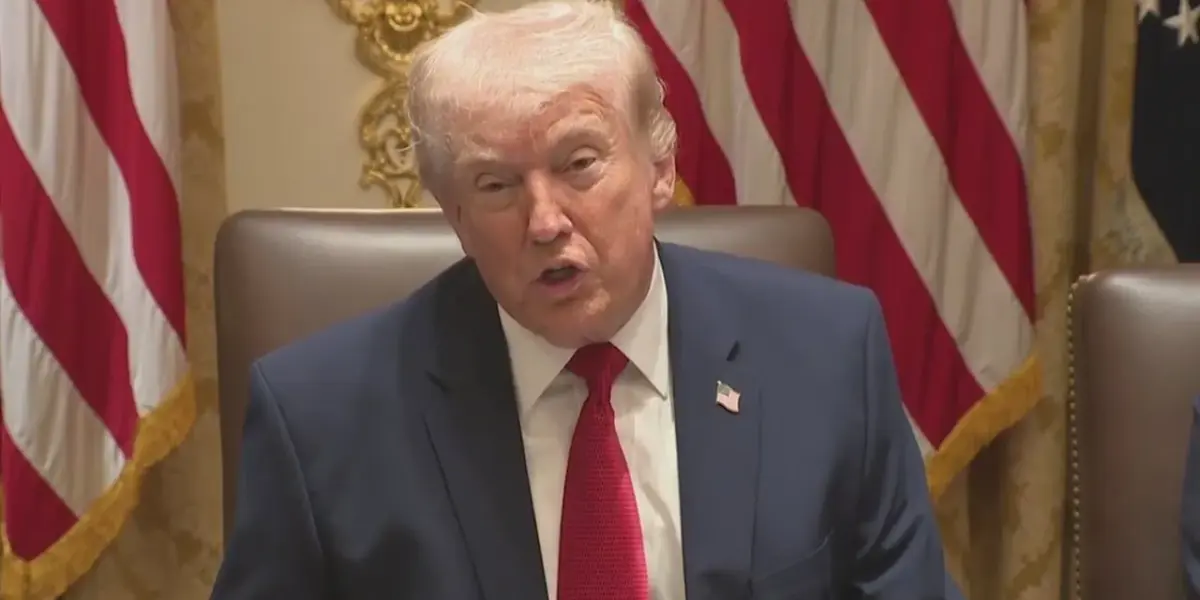
President Trump has extended a deadline for Iran to reach a deal with the United States. This move pauses the threat of targeting Iran’s energy facilities by 10 days, pushing the new deadline to April 6. Trump stated that talks are progressing well. He also suggested the U.S. might not pursue a peace deal, calling it part of “great negotiations.”
Rising Tensions Over Energy Lifeline
Tensions have been growing for weeks, especially after Israel struck Iran’s largest natural gas field. This field, known as South Pars, is located in the Persian Gulf and is shared with Qatar. It holds a massive amount of natural gas, about 51 trillion cubic meters. This makes it a vital energy source for Iran and the region.
Economic Impact Felt Globally
Concerns about energy supplies and doubts about peace talks are affecting the economy. Oil prices have been rising steadily. U.S. crude oil prices increased to nearly $95 per barrel, up more than 4%. International Brent crude oil rose over 5% to more than $109 per barrel. Since the conflict began, U.S. crude oil prices have climbed over 40%. This rise in oil costs has led to stock market drops. The Dow Jones Industrial Average fell 470 points. The Nasdaq closed down nearly 2.4%, and the S&P 500 experienced its worst day since the conflict started, dropping 1.7%.
TSA Worker Pay Dispute Adds Domestic Pressure
Adding to the complex situation, President Trump announced he would sign an order to pay Transportation Security Administration (TSA) workers. These workers had been going without pay due to a government shutdown. The White House stated they waited hoping lawmakers would resolve the funding issue. However, the situation reached a breaking point as TSA workers were set to miss another paycheck. The funds for TSA workers will reportedly come from a tax cut legislation signed last year. This mechanism has been used before to pay the Coast Guard during previous shutdowns.
Despite the promise of payment, the morale of TSA workers remains low. Many had called out sick, leading to longer lines at airports. This issue affects American travelers, especially with spring break and the Easter holiday approaching. The funding dispute also impacts other agencies within the Department of Homeland Security that are currently unfunded.
Diplomacy and Military Buildup
President Trump’s approach to Iran has involved shifting deadlines. Initially, Iran had 48 hours to release its grip on the Strait of Hormuz or face strikes on its power plants. This deadline was extended to five days and then to another 10 days. Trump frames these extensions as positive signs from ongoing negotiations, which he claims are going well. However, he also made comments suggesting the U.S. might not be interested in a deal, possibly as a negotiation tactic.
While the U.S. pursues diplomatic channels, there is also a military buildup in the region. Reports indicate larger deployments of troops, including the 82nd Airborne, heading to the area. Lawmakers have been briefed on options for a potential larger bombing or ground campaign. This dual approach of diplomacy and military pressure is also being pursued by Israel.
Israeli Actions Against Iran
Israel continues to target individuals within Iran’s military structure. Recently, Israel reportedly struck and killed a naval commander responsible for movements around the Strait of Hormuz, along with other naval intelligence officers. These actions suggest a strategy of picking off targets one by one.
Global Impact
The ongoing situation between the U.S. and Iran, coupled with the TSA funding dispute, highlights a complex geopolitical environment. The threat of conflict in a key energy-producing region directly impacts global oil prices and financial markets. The administration’s use of executive actions to bypass congressional funding for TSA workers raises questions about fiscal responsibility and the separation of powers. The dual strategy of diplomatic engagement and military threat towards Iran reflects a broader trend of nations using a mix of tools to achieve foreign policy objectives. Future scenarios could range from a negotiated settlement to a significant escalation of conflict, with wide-ranging economic and security implications for the entire world.
Source: Trump delays striking Iranian power plants, says Tehran ‘begging’ for deal | Jesse Weber Live (YouTube)

Related Articles
Pentagon Weighs 10,000 Troops for Iran Showdown
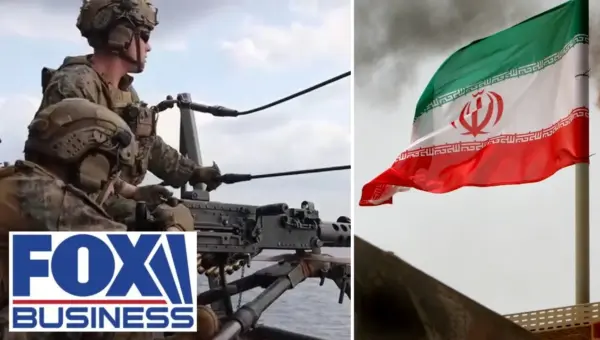
The Pentagon is reportedly weighing a significant troop increase of 10,000 soldiers to the Middle East, potentially escalating tensions with Iran. This move comes amid reports of U.S. precision strikes and interceptions of Iranian missiles by allies, raising concerns about regional stability and global oil supplies.

Iran Strikes US Base: Are We Learning from Mistakes?
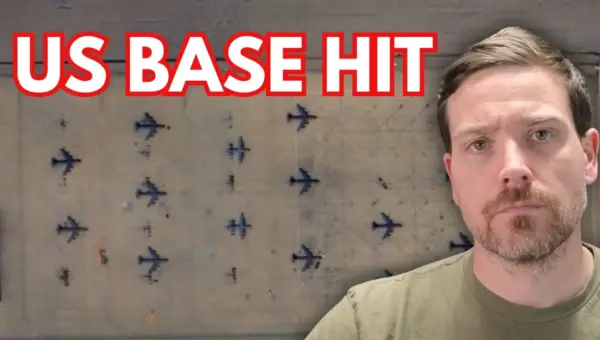
A recent Iranian drone and missile attack wounded American service members and damaged aircraft in Saudi Arabia. This incident highlights concerns about military preparedness and the failure to learn from past mistakes, as exposed aircraft remain vulnerable targets. The ongoing conflict involves complex regional dynamics, including Iran's missile capabilities and the potential involvement of groups like the Houthis, raising questions about future stability.
Iran Conflict Sparks Market Volatility, Experts Weigh In
Geopolitical tensions in the Middle East have rattled global markets, with stocks falling and safe-haven assets like the U.S. dollar strengthening. Experts suggest the market may have overreacted, creating potential buying opportunities, but warn of a "bumpy journey" ahead due to infrastructure damage and potential oil shortages. Concerns also linger about the Federal Reserve's independence amidst political commentary.