Iran Tensions Flare: US Vows “Annihilation” Amid Nuclear Fears
The Trump administration has adopted an aggressive tone towards Iran, vowing military action and highlighting concerns over the nation's nuclear ambitions. Officials cited "imminent threats" and Iran's development of missiles and drones as justifications for a preemptive stance.

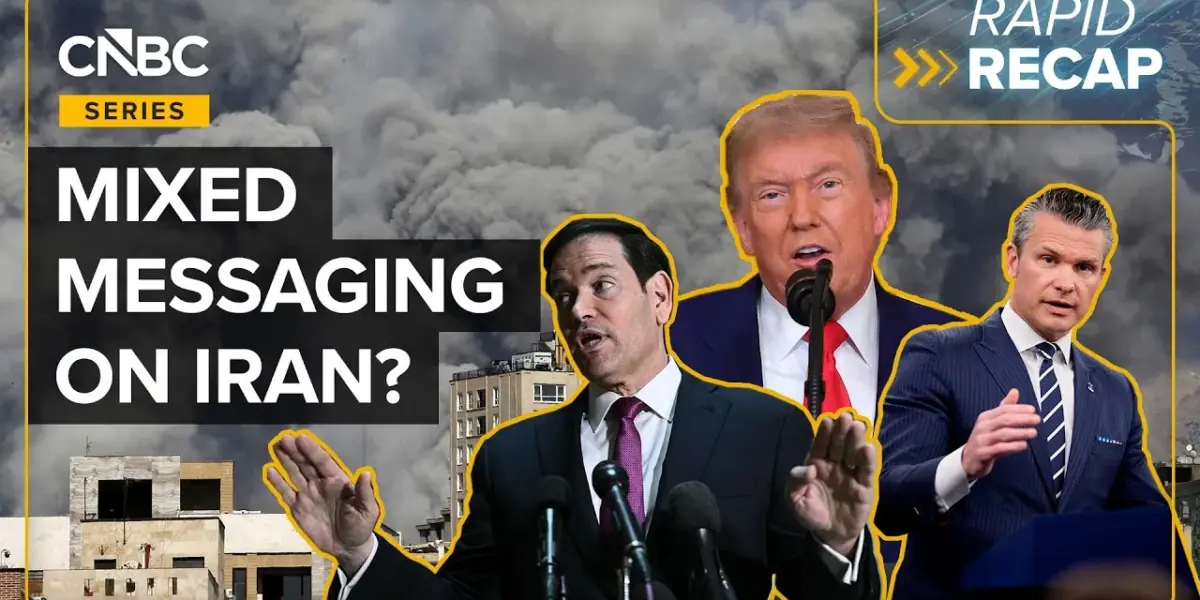
US Signals Aggressive Stance Against Iran Amid Escalating Nuclear Ambitions
The Trump administration has signaled a significantly more aggressive posture towards Iran, with rhetoric emphasizing the potential for direct military action and a strong focus on thwarting the nation’s nuclear program. Officials have articulated a strategy centered on preemptive defense and the elimination of perceived imminent threats, underscoring a belief that Iran posed a direct and immediate danger to American interests and allies.
“Annihilate Their Navy” and Countering Proxies
Statements from the administration have included stark pronouncements, such as the vow to “annihilate their navy” and to neutralize Iranian proxies operating in the region. The stated objective is to safeguard American citizens by neutralizing threats emanating from the Iranian regime. This heightened rhetoric comes amid concerns that Iran’s development of advanced missile and drone technology is intended to serve as a “conventional shield” for its pursuit of nuclear weapons.
“Our objective is to defend the American people by eliminating imminent threats from the Iranian regime. There absolutely was an imminent threat.”
The administration’s rationale for a robust response hinges on the assertion of an “imminent threat.” This threat, as described, was not merely theoretical but involved intelligence suggesting that any potential attack on Iran would elicit an immediate retaliatory strike against the United States. The U.S. indicated it would not passively absorb a blow before responding, signaling a doctrine of preemptive action.
Nuclear Blackmail and Regional Destabilization
A central theme of the administration’s messaging is Iran’s alleged use of conventional military capabilities, specifically powerful missiles and drones, to advance its nuclear ambitions. This strategy is characterized as creating a “conventional shield for their nuclear blackmail ambitions.” The implication is that Iran is leveraging its ballistic missile and drone programs to create leverage, potentially for illicit nuclear development, while simultaneously posing a direct threat to U.S. bases, personnel, and allies in the region. The rhetoric paints a picture of Iran holding a “conventional gun to our head as they tried to lie their way to a nuclear bomb.”
Ideological Underpinnings and “Apocalyptic Theology”
The administration has also pointed to the ideological underpinnings of the Iranian regime, describing its leadership as “radical clerics” whose decisions are driven by theology rather than conventional geopolitical considerations. This theological viewpoint is characterized as “apocalyptic,” suggesting a worldview that could lead to unpredictable and extreme actions. The long-standing animosity, marked by nearly 50 years of attacks and the repeated chanting of slogans like “Death to America,” is cited as evidence of the regime’s inherent hostility.
“America First” Conditions and Strategic Objectives
The overarching strategy, as articulated, is framed within the “America First” policy, emphasizing that any resolution or de-escalation would occur under conditions dictated by the United States. The focus remains on neutralizing the threat posed by a “radical, bloodthirsty terrorist regime armed with nuclear weapons.” The administration asserts that these actions are necessary to ensure that Americans are never confronted by such a scenario.
Market Impact
Heightened tensions with Iran have historically led to increased volatility in global energy markets, particularly oil prices. Concerns over potential supply disruptions in the Persian Gulf, a critical shipping route for crude oil, can drive up prices. Furthermore, increased geopolitical risk often spurs a flight to safety in financial markets, benefiting assets like U.S. Treasury bonds and gold, while potentially pressuring equity markets, especially those with significant exposure to the Middle East or reliant on stable energy prices. Defense sector stocks may see increased investor interest amid heightened military rhetoric and potential for increased defense spending.
What Investors Should Know
Investors should monitor developments closely, paying attention to any concrete actions taken by either side that could impact global oil supply or trigger broader regional conflict. The rhetoric suggests a willingness by the U.S. to employ significant force, which could have immediate and substantial implications for energy prices and the broader financial markets. The focus on Iran’s nuclear program also raises the stakes, potentially leading to more severe international sanctions or military responses if Iran is perceived to be nearing nuclear capability. The “America First” framing suggests that U.S. strategic interests will remain paramount in any diplomatic or military engagement, potentially influencing trade relations and alliances.
Sector and Index Context
The energy sector, particularly oil and gas companies, is highly sensitive to geopolitical developments in the Middle East. Major indices like the S&P 500 and Dow Jones Industrial Average can experience fluctuations based on shifts in global risk sentiment. Defense contractors and companies involved in cybersecurity may see differing impacts depending on the nature of any escalation. The CBOE Volatility Index (VIX), often referred to as the “fear index,” could see an uptick as market uncertainty rises.
Long-Term Implications
In the long term, sustained tensions with Iran could lead to a recalibration of global energy supply chains and potentially accelerate the transition to alternative energy sources if oil prices remain persistently high or supply becomes unreliable. The ongoing standoff also has implications for international diplomacy and the effectiveness of sanctions as a foreign policy tool. For investors, understanding the geopolitical risk premium associated with the Middle East and its impact on commodities and global markets will be crucial for portfolio management. The administration’s assertive stance suggests a period of prolonged strategic competition, which could shape investment strategies across various asset classes for years to come.
Source: The Trump Administration's Mixed Messaging On Iran War (YouTube)

Related Articles

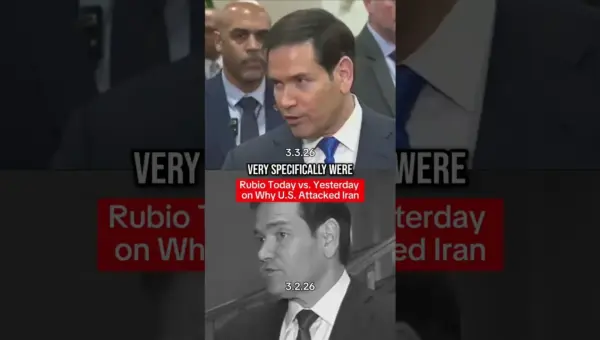
Rubio’s Iran Strike Spin: A Shifting Narrative Under Scrutiny
Senator Marco Rubio's statements on potential U.S. involvement in an Israeli strike on Iran reveal a shifting justification narrative. Initially emphasizing Israel's actions as the trigger, the focus appears to broaden to protecting American forces from anticipated Iranian retaliation. This highlights the complex calculus of preemptive action in a volatile region.
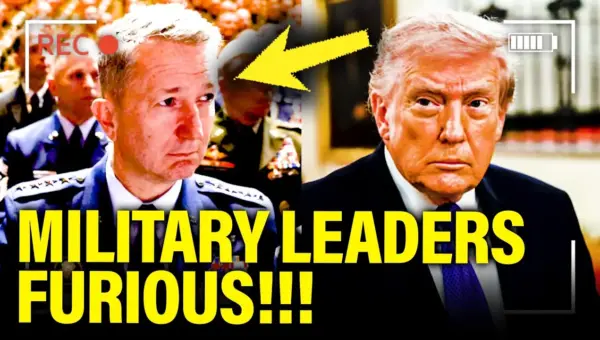
Faith, Fury, and Fire: Iran War Fueled by Divine Mandate?
US troops reportedly briefed on the Iran conflict using 'Armageddon' and 'divine plan' narratives, raising serious questions about the justifications for war. Shifting official rationales and intelligence discrepancies fuel public distrust.

US Strikes Iran to Halt Nuclear Ambitions: Official Briefs Congress
U.S. officials confirm military action against Iran to dismantle its ballistic missile program and prevent nuclear weapon acquisition. An official briefed Congress, emphasizing preemptive action to safeguard American lives and security.