Iran Tensions Flare: US Rescues Airman, Trump Issues Ultimatum
Amidst escalating Middle East tensions, a U.S. airman was dramatically rescued after surviving nearly 48 hours behind enemy lines. Former President Trump issued a stark 48-hour ultimatum to Iran, warning of severe military action if a deal is not reached. These events are creating significant volatility in global energy markets and raising concerns about supply chain disruptions.

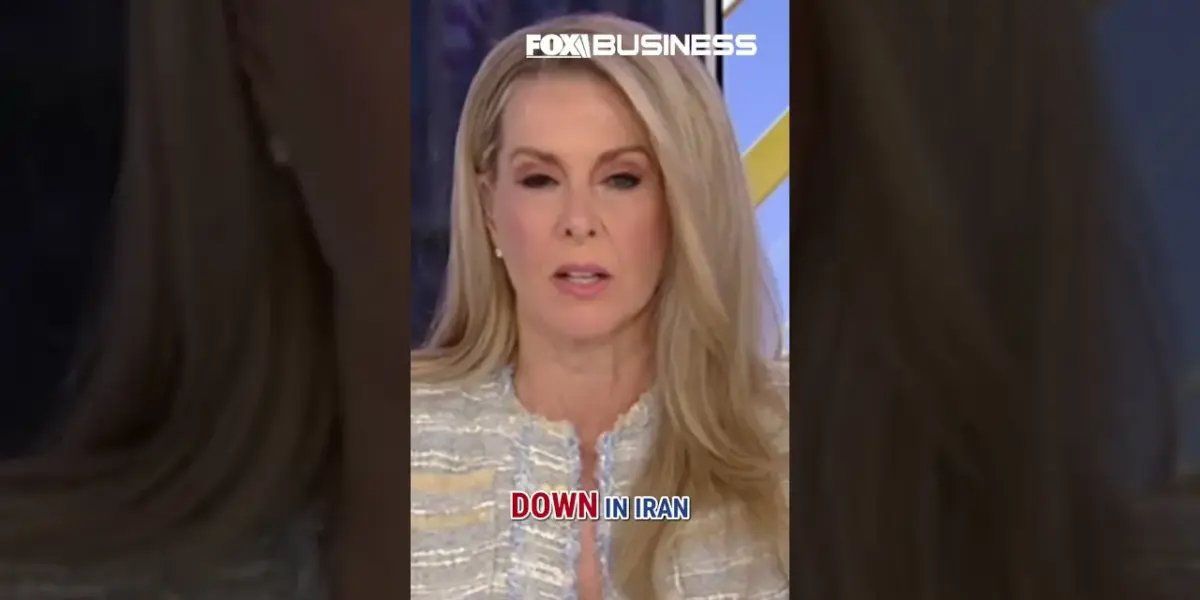
Middle East Tensions Escalate Amidst Military Actions and Diplomatic Warnings
The geopolitical landscape in the Middle East is experiencing a significant surge in tension following a series of critical events. A senior Israeli official revealed to Fox News that the head of intelligence for Iran’s Islamic Revolutionary Guard Corps (IRGC) has been killed. Concurrently, another commander from a special operations unit within the IRGC was also eliminated. These developments signal a sharp increase in direct confrontations within the region.
Dramatic Airman Rescue Highlights Military Prowess
Amidst these escalating hostilities, a remarkable rescue operation has captured international attention. A U.S. airman, seriously wounded, was successfully extracted after a daring mission. This airman is the second crew member from an F-15 jet that was shot down over Iran over the weekend to be accounted for. The rescued airman demonstrated incredible resilience, surviving for nearly 48 hours behind enemy lines.
During his ordeal, the airman managed to climb over 7,000 feet to find refuge in a mountain crevice. He activated an emergency beacon, armed with only a pistol for survival. This airman was recovered on Friday, marking a significant success for U.S. military operations. The ability to survive such extreme conditions and evade capture for an extended period underscores the airman’s training and determination.
President Trump Issues Stark Warning to Iran
In parallel with these military actions, former President Donald Trump has issued a forceful warning to Iran. U.S. Central Command continues to conduct strikes within Iran. President Trump stated that Iran must agree to a deal within 48 hours. He warned that failure to comply would result in the United States “blowing up the whole country.” This aggressive rhetoric signals a potential for a significant escalation of conflict.
President Trump further specified potential targets, stating, “Tuesday will be power plant and bridge day.” He also issued a serious warning regarding the reopening of the Strait of Hormuz, a vital shipping lane. This ultimatum places considerable pressure on Iran to negotiate and de-escalate the current crisis. The combination of military strikes and direct diplomatic threats creates a highly volatile situation.
Market Impact: What Investors Should Know
The heightened tensions in the Middle East have immediate and potentially long-lasting implications for global markets. The region is a critical hub for oil production and transportation. Any disruption to supply or a significant escalation of conflict could lead to a sharp increase in oil prices. This would, in turn, impact inflation, consumer spending, and corporate profits across various sectors.
Energy Sector Volatility: Investors should monitor the price of crude oil closely. A sustained rise in oil prices could benefit energy companies but would likely increase costs for transportation, manufacturing, and consumers. Oil-producing nations and companies might see increased revenues, while airlines and logistics firms could face higher operating expenses.
Geopolitical Risk Premium: Global markets often react to geopolitical instability by pricing in a “risk premium.” This means investors may demand higher returns for holding assets perceived as risky, such as stocks. Conversely, safe-haven assets like gold and U.S. Treasury bonds may see increased demand. This can lead to stock market volatility and shifts in investment flows.
Supply Chain Concerns: The Strait of Hormuz is a crucial chokepoint for global trade, especially for oil. Any threat to its security raises concerns about supply chain disruptions. Companies relying on global shipping could face delays and increased costs, impacting their profitability and potentially leading to shortages of goods.
Long-Term Implications: While short-term market reactions can be swift, the long-term impact depends on the duration and severity of the conflict. A prolonged period of instability could deter foreign investment in the region and slow global economic growth. Conversely, a swift de-escalation and resolution could lead to market stabilization and a return to more predictable economic conditions.
Investors should stay informed about the developments in the Middle East. Understanding the potential impact on energy prices, global trade, and overall market sentiment is crucial for making informed decisions. Diversification across different asset classes and geographies can help mitigate risks associated with geopolitical events.
Source: Trump DROPS explosive warning as US airman survives impossible odds #shorts (YouTube)

Related Articles

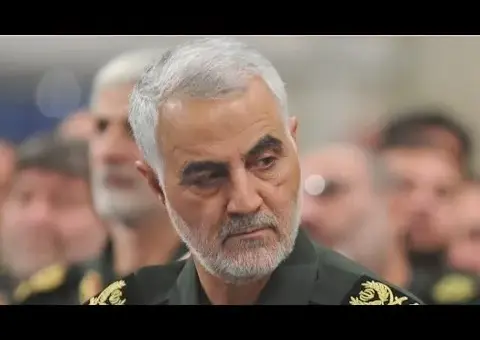
US Expels Soleimani Relatives, Tightens Iran Grip
The U.S. has detained relatives of the late Iranian commander Qassem Soleimani, revoking their green cards. This action is part of a broader U.S. campaign to counter Iranian influence and potential security threats within the United States.
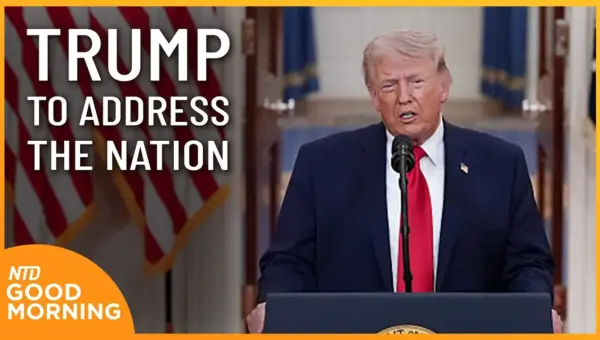
Trump Tackles Iran Crisis; Artemis II Prepares Lunar Leap
President Trump will address the ongoing U.S. operations in Iran, while NASA's Artemis II mission prepares for a historic lunar flyby. The White House also hosts its annual Easter Egg Roll with a patriotic theme.

US Military Near Iran: A Perpetual Conflict Looms?
A military analyst suggests US strategy in Iran could lead to a perpetual cycle of strikes or a high-risk ground invasion. The discussion questions the effectiveness of current approaches to preventing Iran from acquiring nuclear weapons.