Iran Tensions Flare: US Policy Shifts Toward Containment
Recent U.S. actions and threats against Iran, including a confusing 24-hour deadline and strikes on key infrastructure, have raised questions about the effectiveness of current policy. The conflict is costing billions daily while domestic programs face cuts, leading many to question the strategic rationale behind the escalating tensions.

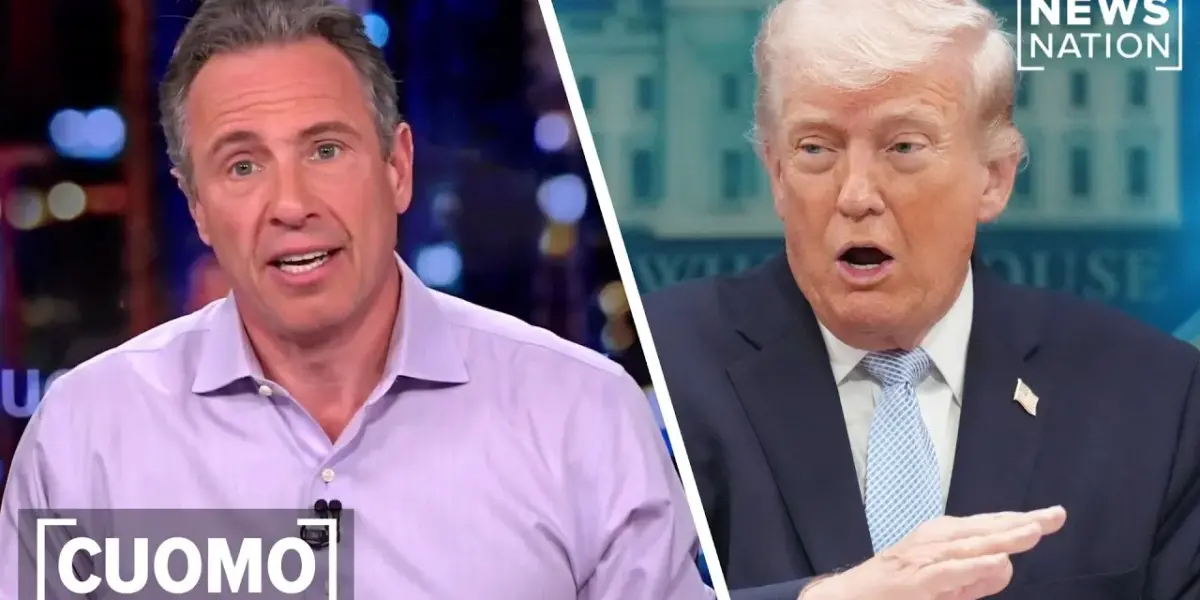
US Policy Shifts Toward Containment in Iran Amidst Shifting Geopolitical Tides
The United States’ approach to Iran appears to be undergoing a significant shift, moving away from aggressive confrontation and towards a strategy of containment. This change follows a period of heightened tensions, including direct military actions and threats, that have raised serious questions about the effectiveness and wisdom of current U.S. policy. The situation is complex, involving national security, economic interests, and the well-being of the Iranian people.
A Confusing Deadline and a War Declared Over
A recent 24-hour deadline set by the Trump administration regarding Iran’s actions made little strategic sense, according to critics. This deadline was linked to the reopening of the Strait of Hormuz, a crucial waterway for global oil transport. However, the administration’s own actions and statements have muddied the waters, leading many to believe that the conflict, at least in its current form, is effectively over. The stated goal of regime change, a long-held but inconsistently pursued policy, seems to have been quietly set aside. This leaves many questioning the purpose of continued aggressive posturing.
Escalation and Retaliation: A Cycle of Action
The period following a major presidential address saw a series of escalations. Iran shot down a U.S. fighter jet, nearly capturing an American airman. While the administration sought to portray its response as a success, the incident highlighted the risks involved. In retaliation, the U.S. struck what were described as Iran’s top university and one of its largest energy sites. These actions, however, did not go unanswered. Iran retaliated by targeting energy and water sites in U.S. allied nations like Kuwait, Bahrain, and the United Arab Emirates. This cycle of strikes and counter-strikes demonstrates a dangerous escalation that benefits no one.
Economic Targets and a Heavy Price Tag
Reports indicate that the U.S. and Israel have increased attacks on Iranian economic targets. The goal is to make Iran’s recovery from past conflicts long and painful. However, this strategy comes at a steep cost for the U.S. domestically. The conflict is estimated to be costing American taxpayers a billion dollars per day. This massive expenditure comes at a time when domestic needs are pressing. Funding for healthcare, housing programs, and assistance for veterans and low-income families has been significantly cut. The Pentagon’s budget, meanwhile, has seen a record 40% increase, totaling $1.5 trillion.
Iran’s Demands and the Strait of Hormuz
Iran, facing immense pressure, has made its demands clear. They are calling for the removal of all sanctions. Additionally, they are proposing a $2 million toll on any ship passing through the Strait of Hormuz. This toll would be used to pay for damages allegedly caused by U.S. and allied actions. The economic strain on Iran is undeniable. However, the idea of bombing the nation’s infrastructure, which the people rely on for survival, appears counterproductive. It risks pushing the population into deeper desperation and potentially leaving them at the mercy of even more radical elements.
Shifting Alliances and Future Scenarios
The current U.S. policy raises questions about its long-term effectiveness and its impact on regional stability. The focus on military solutions and economic warfare, while potentially aimed at weakening the Iranian regime, risks alienating allies and further destabilizing an already volatile region. The possibility of miscalculation or accidental escalation remains high. Future scenarios could range from a prolonged period of tense standoff and economic attrition to a more dangerous, direct military confrontation. The lack of a clear, consistent strategy from the U.S. administration leaves the situation uncertain.
Global Impact: A World Reliant on Stable Energy Routes
The Strait of Hormuz is a critical chokepoint for global energy supplies. Approximately 20% of the world’s oil passes through this narrow waterway. Any disruption or conflict in the region has immediate and far-reaching consequences for global energy prices and supply chains. The current tensions threaten this vital flow, impacting economies worldwide. The U.S. military presence and actions in the Persian Gulf are aimed at ensuring freedom of navigation, but they also carry the risk of escalating conflict. This situation underscores the interconnectedness of global security and economic stability.
Historical Context: A Long History of Friction
U.S.-Iran relations have been strained for decades, dating back to the 1953 coup that overthrew Prime Minister Mohammad Mosaddegh. The Iranian Revolution in 1979 marked a turning point, leading to a breakdown in diplomatic ties and a long period of mutual suspicion and hostility. The Iran nuclear deal, formally known as the Joint Comprehensive Plan of Action (JCPOA), signed in 2015, represented a significant attempt to de-escalate tensions and prevent Iran from developing nuclear weapons. However, the U.S. withdrawal from the deal in 2018 and the reimposition of sanctions have reignited tensions.
Economic Leverage: Sanctions and Dependencies
Economic sanctions have become a primary tool of U.S. foreign policy towards Iran. These sanctions aim to cripple Iran’s economy, limit its ability to fund its military and regional activities, and pressure the government to change its behavior. Iran, in turn, has sought to circumvent these sanctions through various means, including illicit oil sales and by leveraging its influence in the region. The global financial system plays a crucial role, as countries and companies are pressured to comply with U.S. sanctions, impacting international trade and investment.
Future Scenarios: Paths Forward
Several future paths are possible. One scenario involves a continued state of economic pressure and limited military engagements, with both sides seeking to avoid full-scale war. Another possibility is a diplomatic breakthrough, perhaps involving a renegotiation of the nuclear deal or new security arrangements in the region. However, given the current level of mistrust and the hardline rhetoric from both sides, a diplomatic resolution appears challenging. A full-scale conflict, while perhaps not the stated intention of either side, remains a dangerous possibility that could have devastating consequences for the region and the world.
Source: Trump's deadline makes no sense, Iran war is over: Cuomo | CUOMO (YouTube)

Related Articles


Dem Rep. Calls Trump’s Iran Threats ‘Apocalyptic’
Democratic Congresswoman Yasemin Anzari has strongly condemned President Trump's "apocalyptic" threats against Iran, warning of potential genocide and nuclear war. She is calling for the 25th Amendment to be invoked and is introducing articles of impeachment against Defense Secretary Pete Hegseth. Anzari fears the President's rhetoric could strengthen the Iranian regime and harm its people.
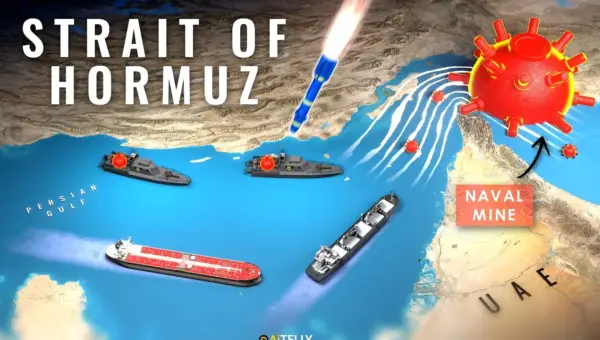
US Strikes Iran’s ‘Mosquito Fleet’ to Secure Oil Lanes
Iran's use of naval mines and fast attack boats in the Strait of Hormuz prompted a decisive US response. The US employed a preemptive strategy, striking mine-laying ships and storage facilities with precision-guided missiles and bombs.

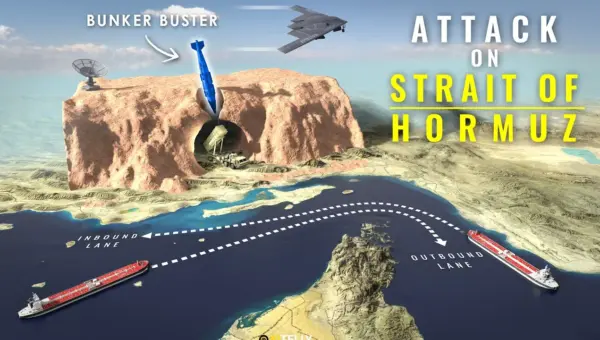
Iran’s Strait of Hormuz Trap: How the US Fights Back
Iran's strategy to control the Strait of Hormuz involves using islands as bases for anti-ship missiles and launching swarm attacks with small boats. The US counters with advanced defense systems, surveillance drones, and powerful bunker-buster bombs, highlighting the ongoing tension in this vital global shipping lane.