Iran Tensions Escalate: US Military Prepares for Escalation
Decades of U.S. military planning against Iran are highlighted, with recent actions suggesting a shift towards more direct confrontation. Military leaders confirm extensive preparations, including wargames and troop deployments, to counter Iran's persistent threats in the Persian Gulf.

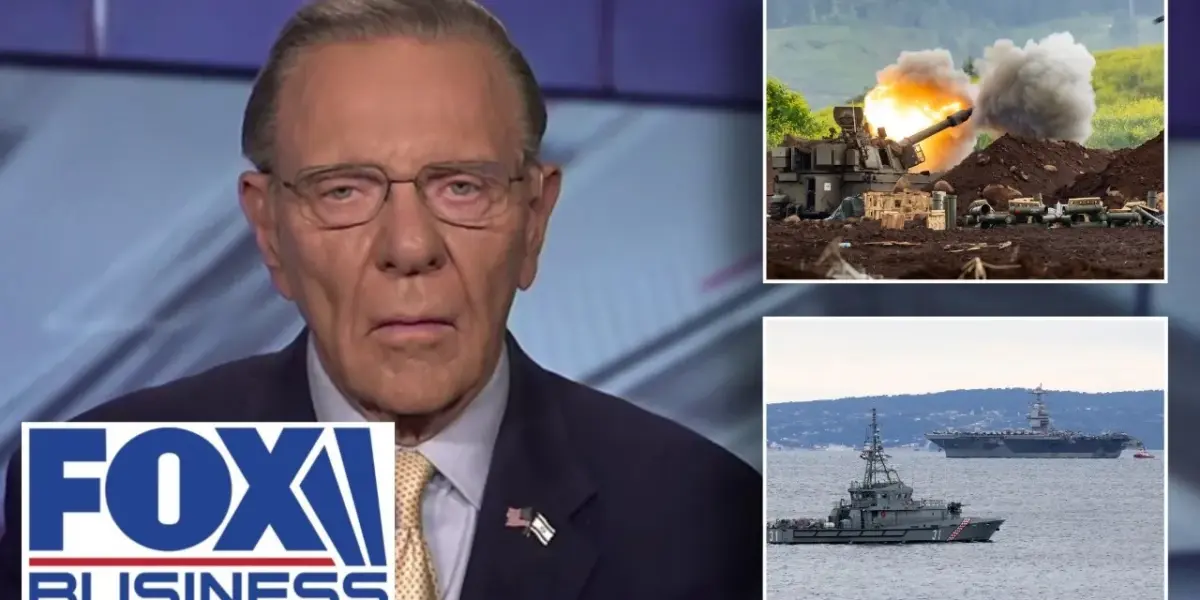
Iran Tensions Escalate: US Military Prepares for Escalation
The United States military has been actively planning for potential conflict with Iran for decades, a fact underscored by recent statements from military leaders. Despite public perceptions, extensive planning and exercises have been underway, particularly in response to Iran’s continued aggression and destabilization efforts in the region. This long-standing preparation highlights a strategic approach to confronting Iran’s actions, which have included attacks on U.S. personnel and interests since the 1980s.
Decades of Planning Against Iranian Aggression
U.S. military planning against Iran dates back to 1983, following attacks that killed over 300 Americans. General Jack Keane, a senior strategic analyst, emphasized that this planning is not new but rather a continuation of efforts to counter Iran’s persistent threats. Unlike previous administrations, President Trump has shown a willingness to confront Iran more directly, aiming to end a 47-year pattern of hostility.
Recent intelligence suggests Iran remains committed to its objectives, including developing advanced missiles and drones, recovering its nuclear program, and continuing to fund proxy groups. This renewed commitment, despite international pressure, has created a sense of urgency. Military commanders are now dusting off and refining existing plans to address these evolving threats.
Military Readiness and Strategic Objectives
General Keane clarified that the military is well-prepared, dispelling notions of a lack of planning. He explained that military exercises, including complex wargames with opposing ‘red teams’ representing Iran, are regularly conducted. These exercises test various scenarios, such as Iran’s ability to disrupt shipping through the Strait of Hormuz, a critical chokepoint for global oil transport. The U.S. military’s plan includes securing the Strait of Hormuz, neutralizing Iran’s ballistic missile and drone programs, and recovering any remnants of its nuclear program.
“Our military plans call for us to open the Straits of Hormuz and use military force to do it and to secure it and keep it open. To recover the nuclear, whatever that is left there and finish off their ballistic missile program as much as we possibly can to include drones. And we will accomplish our assigned missions, that’s a fact.”
Deployment of Additional Troops
The recent deployment of additional troops to the Middle East is part of the President’s options to address the situation. General Keane stressed that these deployments are not for an invasion, which would require well over 100,000 troops. Instead, the current troop movements, likely numbering between 10,000 and 20,000, are intended for specific, short-duration missions. These missions could involve securing key areas like Kharg Island, where 90% of Iran’s oil distribution occurs, or conducting operations against missile sites and drone facilities.
U.S. forces are equipped with advanced assets, including Apache attack helicopters and A-10 Warthogs, designed for close air support. These assets, along with drones and counter-drone capabilities, are expected to provide robust support and minimize risks during operations. While acknowledging that Iran may still be able to launch attacks, military leaders believe these risks are acceptable and manageable.
Diplomatic and Regime Change Considerations
The conversation also touched upon the diplomatic aspect, with President Trump suggesting negotiations with a potentially new Iranian regime. However, General Keane noted that leadership changes within Iran have often involved hard-liners with affiliations to the same regime, characterized by corruption and oppression. He described the Iranian leadership as a wealthy enterprise, akin to a mafia organization, whose primary motivations are self-preservation and maintaining power.
While acknowledging the possibility of diplomatic solutions, General Keane expressed a preference for a military resolution that could force economic collapse, particularly by seizing Iran’s oil distribution points. He warned that a premature deal could offer the regime a lifeline by providing sanction relief and releasing frozen assets, allowing them to recover.
Market Impact and Investor Outlook
The heightened tensions in the Persian Gulf and the potential for military action against Iran carry significant implications for global markets. Oil prices are particularly sensitive to supply disruptions in the Strait of Hormuz, which handles a substantial portion of the world’s crude oil. Any escalation could lead to increased volatility in energy markets, impacting inflation and economic growth worldwide.
Investors should monitor geopolitical developments closely. The defense sector may see increased activity and investment. Conversely, companies with significant operations or supply chains reliant on Middle Eastern stability could face headwinds. The long-term outlook will depend on the de-escalation or escalation of the conflict, as well as the effectiveness of U.S. military and diplomatic strategies.
Source: Gen Keane: THIS could not wait… (YouTube)

Related Articles


Gulf Allies Urge Trump to Continue Iran Conflict
U.S. allies in the Persian Gulf are urging President Trump to intensify military action against Iran, believing Tehran has not been sufficiently weakened. The ongoing conflict raises concerns about regional stability and global energy prices, while questions linger about the administration's long-term strategy.

Jet Fuel Shockwaves: Airlines Warn of Fare Hikes, Flight Cuts
Rising jet fuel prices, driven by conflict in the Strait of Hormuz, are forcing airlines to warn travelers of higher fares and fewer flights. This comes as TSA lines ease, but worker pay remains uncertain, highlighting broader instability.


Middle East Conflict Sends Gas Prices Soaring Past $4
The national average gas price has surpassed $4 per gallon for the first time since 2022, driven by escalating conflict in the Middle East. Recent attacks on oil tankers and military strikes have heightened fears of energy supply disruptions, impacting consumers globally.