Iran Tensions Escalate: Strait of Hormuz Blockade Sparks Global Concern
Iran's threats to block the Strait of Hormuz, a vital global oil route, have intensified international concern. The U.S. warns of military action, citing the Carter Doctrine, while Iran seeks leverage. The situation sparks debate between diplomacy and force, with significant global economic and geopolitical implications.

Iran Tensions Escalate: Strait of Hormuz Blockade Sparks Global Concern
The global stage is tense as Iran’s threats to block the Strait of Hormuz, a critical pathway for global oil and trade, have intensified. This move, aimed at pressuring the United States, has sparked debate about potential military action and diplomatic solutions. The situation highlights a complex web of international interests, historical doctrines, and the ever-present risk of conflict in the Middle East.
The Core Issue: The Strait of Hormuz
The Strait of Hormuz is a narrow waterway connecting the Persian Gulf to the open ocean. It’s one of the world’s most important oil transit points. About 30% of the world’s seaborne oil trade passes through this strait every day. If Iran were to successfully close it, global oil prices would skyrocket, and economies worldwide could suffer greatly. This threat is not new, but Iran’s recent actions and rhetoric have brought it to the forefront again.
US Response and the Carter Doctrine
The United States views any attempt to control the Persian Gulf as a threat to its vital interests. This idea goes back to the 1980 Carter Doctrine, announced by President Jimmy Carter. It states that the U.S. will use military force if necessary to protect its interests in the Gulf. President Trump’s stance appears to be enforcing this long-standing policy. The U.S. warns that if Iran doesn’t allow free passage, it could face military consequences, including potential strikes on its power and oil infrastructure.
Iran’s Strategy and Motivations
Iran’s actions are seen as a response to U.S. pressure, possibly including sanctions. By threatening the Strait of Hormuz, Iran aims to gain leverage. It’s a way to show its ability to disrupt global energy supplies, making the cost of U.S. pressure too high. Iran’s leaders are described as tough negotiators who believe they are currently winning. They are also skilled in cyber warfare and psychological operations, using these tools to influence perceptions and markets. Iran’s objective is to survive and maintain its regime, using the threat of closing the strait as a bargaining chip.
The Debate: Diplomacy vs. Force
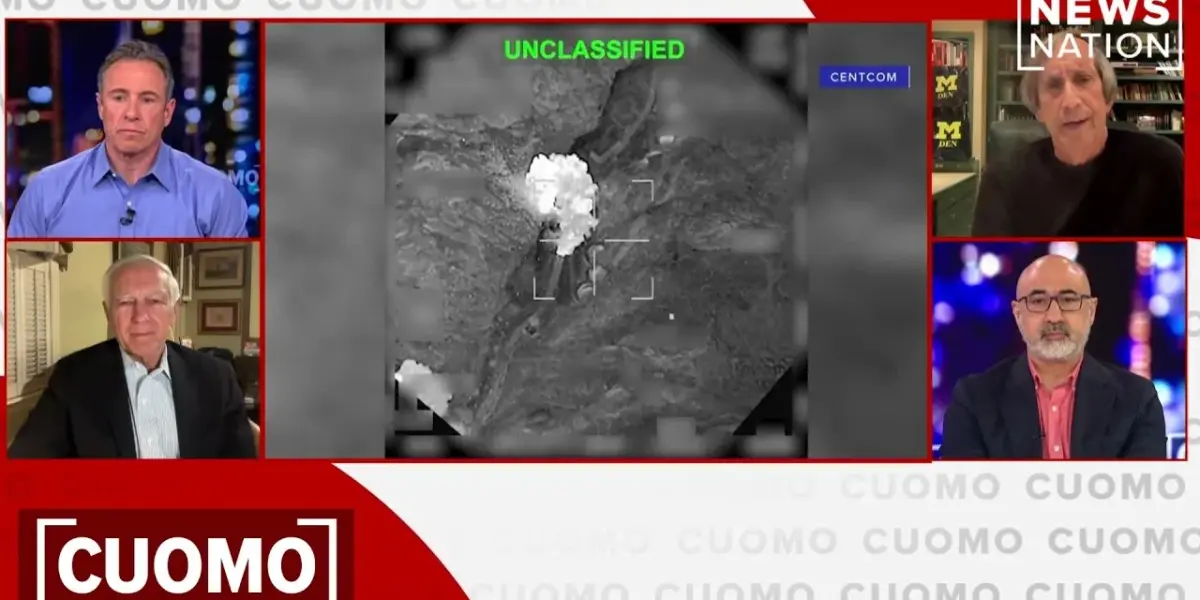
Experts are divided on the best path forward. Some believe that negotiations, even if difficult, are the only way to de-escalate the situation. They point out that direct military action to keep the strait open could be extremely complicated. General Wesley Clark noted that occupying cities along the strait and dealing with potential long-range artillery fire from mountainous areas would require a large military commitment, possibly 100,000 troops or more. This would be an asymmetric battle, where Iran could inflict damage by targeting individual ships or infrastructure.
Others argue that Iran’s actions are a sign of weakness, not strength. They believe that Iran is taking heavy blows and is reaching out for talks because it cannot sustain a prolonged conflict. The appearance of negotiations, even if uncertain, could be a direct result of this pressure. There is also a concern that if the U.S. doesn’t help remove the current regime, Iran might punish its own people more severely.
Internal Iranian Dynamics
The death of Ali Khamenei, who had led Iran since 1989, is seen as a significant event. While the regime is not expected to collapse immediately, it could fracture over time. The current situation is happening within this context of internal change and uncertainty about the future leadership.
Global Impact: Why This Reshapes the World Order
The standoff over the Strait of Hormuz has far-reaching consequences. It directly impacts global energy security and international trade. Countries like Japan, India, and even China rely heavily on oil flowing through the strait. Any disruption threatens their economies and stability. The situation also tests the resolve of international alliances and the effectiveness of U.S. foreign policy in the region. The potential for escalation could draw in other regional powers, further destabilizing an already volatile area.
Future Scenarios
Several outcomes are possible. Negotiations could succeed: A deal might be struck where Iran guarantees passage through the strait in exchange for eased pressure or other concessions. However, given the deep mistrust, this is challenging. Military intervention could occur: The U.S. might attempt to secure the strait by force, which carries significant risks of escalation and prolonged conflict. Status quo with heightened tension: The situation could continue with Iran making periodic threats and the U.S. maintaining a strong military presence, leading to a prolonged period of instability.
The political calculation within the United States is also critical. If the tensions continue intensely into the fall, it could become a major issue in domestic politics, diverting attention from other pressing problems. The long-term stability of the Middle East and the global economy hinges on how these complex challenges are managed.
Source: Panel debates who Trump is negotiating with in Iran | CUOMO (YouTube)

Related Articles
Ukraine Strikes Russian Oil Refinery, Eyes Iran Threat
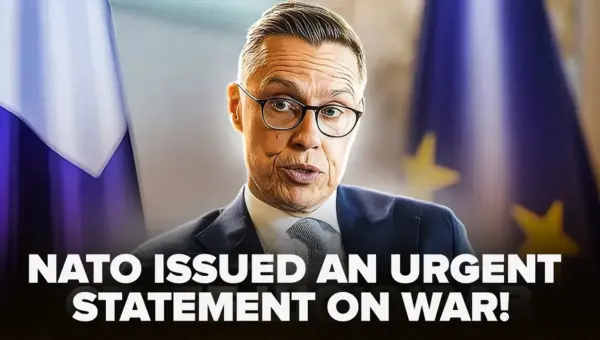
Ukrainian forces struck a key Russian oil refinery, disrupting Moscow's war capabilities. Meanwhile, Finland's president urged continued U.S. support for Ukraine, as Kyiv shares its air defense expertise globally amid growing geopolitical complexities involving Iran and potential sanctions against Hungary.

Trump Halts Iran Strikes Amid Stalled Diplomacy
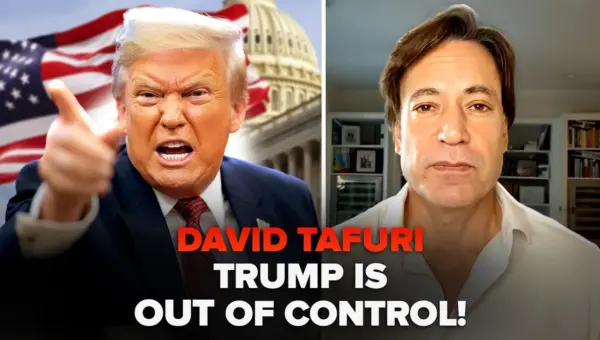
President Trump announced a pause on planned strikes against Iran, citing productive talks, though Iran denies negotiations occurred. Reports also suggest a potential U.S. ground operation on Iran's Hark Island. The situation raises concerns about international support for Ukraine and potential shifts in U.S. foreign policy.

Iran’s Missile Threat Reduced by 90%, Analyst Says
An analyst reports that Operation Epic Fury has degraded Iran's missile launchers by 90%, despite challenges in targeting hidden sites. The conflict's duration and media coverage are also discussed, with implications for global energy markets and investor confidence.