Iran Targets US Firms, Escalates Middle East Tensions
Iran has escalated regional tensions by threatening American companies with operations in the Middle East. The country has also launched attacks from Iran and Yemen, impacting areas in Israel and Qatari waters. The UAE is reportedly considering joining efforts to secure the Strait of Hormuz.


Iran Escalates Regional Conflict, Threatens American Companies
Iran is increasing its pressure in the Middle East. Overnight, the country launched attacks from both Iran and Yemen. These actions have put American companies with Middle East operations on notice, as Iran has declared them potential targets. This move marks a significant escalation, drawing more international attention to the already tense region.
Missile Alerts and Attacks Rock Israel
In Tel Aviv, residents experienced missile alerts, forcing many to seek shelter. Attacks have impacted central Israel, with health authorities reporting 25 people injured and 14 hospitalized. Among those hurt was a child. The violence extends beyond Israel’s borders.
Shipping Lanes Threatened in Qatari Waters
A tanker near Qatar, leased by Qatar Energy, was hit by a missile. The attack started a fire on board. No injuries were reported from this incident. However, Iran has stated it will continue to threaten ships near the Strait of Hormuz. This strait is a crucial route for global oil transport.
American Companies Listed as ‘Legitimate Targets’
Starting today, Iran’s Revolutionary Guard has identified 18 American companies. They claim these companies, which have operations in the Middle East, are now legitimate targets. This action is described as retaliation for the killing of top Iranian leaders. The list includes major technology and aerospace/defense companies. This broadens the scope of potential conflict beyond direct military confrontation.
UAE Considers Joining Fight in Strait of Hormuz
Reports suggest the United Arab Emirates (UAE) is considering joining the fight to secure the Strait of Hormuz. The Wall Street Journal reported this possibility. If the UAE joins, it would be the first Gulf country to formally enter combat in this conflict. So far, the UAE has not publicly confirmed these plans.
UAE’s Stance on Cease-Fire
Publicly, the UAE has stated its opposition to a simple cease-fire in the region. They believe Iran still has too much power and willingness to threaten nearby countries. The UAE feels Iran’s military capabilities need to be reduced. This suggests a desire for a more decisive resolution to the ongoing instability.
Global Impact and Shifting World Order
Iran’s actions and threats have far-reaching implications. By targeting American companies, Iran directly challenges U.S. economic interests in the region. This could force American businesses to reconsider their investments and operations. The potential involvement of the UAE in securing shipping lanes highlights a growing willingness among some Gulf states to take a more active role in regional security. This could reshape existing alliances and create new security partnerships. The increased danger to shipping in the Strait of Hormuz could disrupt global energy supplies, leading to higher oil prices and economic instability worldwide. The conflict also draws attention to the complex web of interests and rivalries that define the Middle East.
Historical Context of Regional Tensions
The current tensions are not new. The Strait of Hormuz has long been a strategic chokepoint, with various actors seeking to control or influence its passage. Past conflicts and diplomatic efforts have often centered on maintaining freedom of navigation in this vital waterway. Iran’s threats to shipping and its broader regional actions are part of a long-standing rivalry with countries like Saudi Arabia and the United States. These rivalries have often played out through proxy forces and economic pressure.
Economic Leverage and Future Scenarios
Iran’s threats against American companies are a form of economic warfare. It aims to pressure the U.S. and its allies by threatening their business interests. The U.S. and its allies have previously used sanctions as a tool to influence Iran’s behavior. Now, Iran appears to be using its own methods of economic coercion.
Looking ahead, several scenarios are possible. Iran could continue its current trajectory, leading to further escalation and increased risk for international businesses. Alternatively, diplomatic efforts could intensify to de-escalate tensions and find a peaceful resolution. The UAE’s potential involvement represents another variable; their active participation could significantly alter the regional balance of power. The international community faces the challenge of managing these competing interests to prevent a wider conflict.
Source: Iran threatens Apple, Dell, Meta operations in Middle East | Morning in America (YouTube)

Related Articles
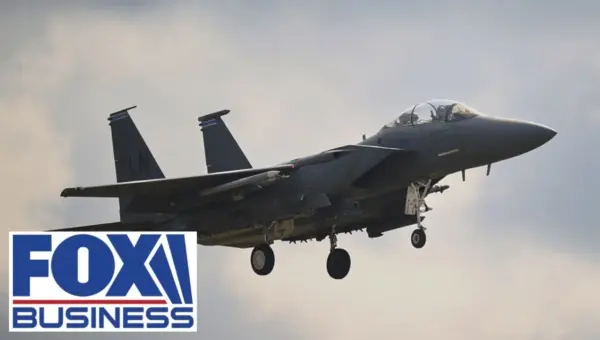
Iran Downs US F-15; One Pilot Rescued, Second Missing
A U.S. F-15 fighter jet has been shot down over Iran, with one pilot rescued and a search underway for the second. Iran is leveraging the incident for propaganda purposes, while the U.S. prioritizes the rescue mission.
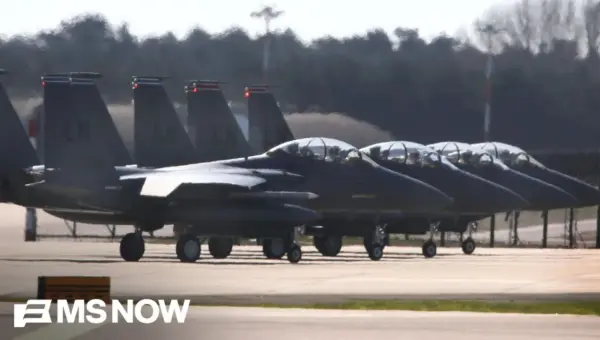
US Scours Iran for Downed F-15 Crew
A U.S. F-15 fighter jet has crashed in Iran, triggering an intense search and rescue mission. The crew, trained in survival techniques, is being sought by specialized teams. The incident raises concerns about the crew's safety and potential political leverage for Iran if captured.
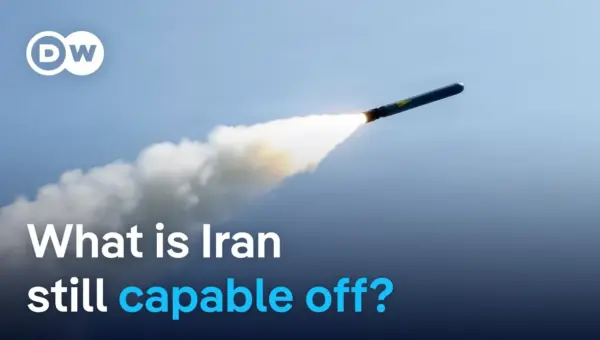
Iran Strikes Target Infrastructure: Gulf States Fear Escalation
Iran's retaliatory strikes on critical infrastructure, including a Kuwaiti desalination plant, have heightened fears across Gulf states. Expert Kaman Matin explains Iran's strategy of targeting civilian and economic assets in response to attacks, while Gulf nations brace for potential escalation. The situation remains tense, with diplomatic efforts struggling to find a path to de-escalation.