Iran Targets US Bases in Gulf, Raising Security Concerns
Iran has escalated its actions by targeting multiple U.S. military bases across the Middle East, including significant installations in Qatar, Saudi Arabia, and Bahrain. These strikes raise serious concerns about the vulnerability of American forces and the dwindling supply of defensive interceptor missiles.


Iran Strikes US Military Installations in Middle East
Iran has launched a series of attacks targeting U.S. military installations across the Middle East, including bases in Qatar, Saudi Arabia, Bahrain, Kuwait, and the United Arab Emirates. These strikes are reportedly part of Iran’s counteroffensive following what it describes as attacks by Israel and the United States. The targeted sites include significant military hubs, raising questions about the vulnerability of American forces and assets in the strategically vital Gulf region.
Key Bases Under Fire
Among the prominent U.S. military facilities targeted is the Al Udeid air base in Qatar, a critical hub for U.S. Central Command with approximately 10,000 personnel. This base plays a crucial role in logistics, including the flow of supplies and aerial refueling capabilities for U.S. operations in the region. Also struck on March 2nd was the Prince Sultan air base in Saudi Arabia. The headquarters of the U.S. Navy’s Fifth Fleet in Bahrain, which supports around 9,000 personnel and coalition forces, has also been a target. Other bases hit include Ali Al-Salem air base in Kuwait and Al Dhafra Air Base in the United Arab Emirates, which hosts some 3,500 U.S. personnel.
Vulnerability and Interceptor Limitations
The escalating attacks have brought to light concerns about the defensive capabilities of U.S. bases in the region. Experts suggest that the U.S. possesses a limited supply of interceptor missiles. As these supplies dwindle, the threat to U.S. bases will intensify, forcing difficult decisions about whether to expend valuable interceptors or absorb potential hits to conserve them for future threats.
“Over time, we have limited numbers of interceptor missiles. And so the threat to US bases will increase as our supply of interceptors dwindles down. Uh, you’re going to have to start making some really hard choices about whether to intercept things or to take some hits in order to conserve your interceptors for future threats.”
US Military Presence in the Gulf
The United States maintains a significant military footprint in the Middle East, with approximately 40,000 personnel stationed across 19 sites in the Gulf region. This substantial presence is largely an outgrowth of the 1991 Gulf War and the subsequent Iraqi threat following its invasion of Kuwait. Operation Desert Storm saw a massive deployment of forces to Saudi Arabia to protect the kingdom and liberate Kuwait, establishing a long-term strategic posture.
Debate Over Stabilizing Role
Washington asserts that its presence in the Gulf is essential for preventing regional threats, promoting stability, and ensuring security. However, there is ongoing debate about the actual impact of this forward military posture. Critics argue that there is insufficient evidence to suggest that the U.S. presence in the Middle East has been stabilizing, pointing to historical events as evidence that contradicts this claim.
Looking Ahead
The recent attacks underscore the volatile security environment in the Gulf and the persistent threats faced by U.S. military assets. As Iran continues its retaliatory actions, the focus will remain on the effectiveness of U.S. air defenses, the sustainability of its missile interceptor stockpiles, and the broader strategic implications of its military presence in the region. The coming weeks will likely see increased scrutiny of U.S. defense strategies and diplomatic efforts to de-escalate tensions.
Source: How vulnerable are US military bases in the Gulf? | DW News (YouTube)

Related Articles

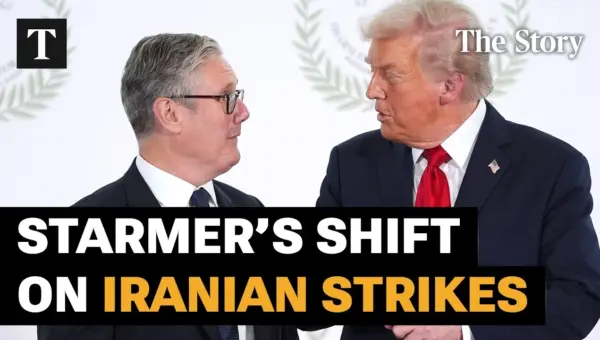
UK Shifts Stance on Iran Strikes, Citing ‘Defensive’ Needs
The UK has shifted its military stance on the Iran conflict, now permitting the use of its bases for 'defensive purposes' after initially opposing offensive strikes. This adjustment follows Iran's retaliatory actions and aims to protect allies and interests in the region, while grappling with the legacy of past conflicts and the evolving nature of modern warfare.


US Regime Change: A Pattern of Failed Intervention
The repeated attempts by the U.S. to engineer regime change have historically failed, often exacerbating conflicts and creating instability. This analysis explores the flawed premise of removing leaders without a viable plan for post-intervention governance.


US Defense Stocks Surge Amid Escalating Iran Conflict
Escalating conflict in the Middle East, marked by drone attacks on U.S. interests, has prompted urgent discussions about U.S. munition supplies and defense production. The situation is impacting global markets and drawing international criticism.