Iran Targets Gulf Infrastructure in Escalating Conflict
Iran is escalating its conflict by targeting critical civilian infrastructure like desalination plants and airports in Gulf states, a strategy driven by a need for survival rather than victory. Military analysts suggest this approach aims to exert pressure and inflict economic pain on adversaries, potentially leading to a prolonged period of heightened tensions.

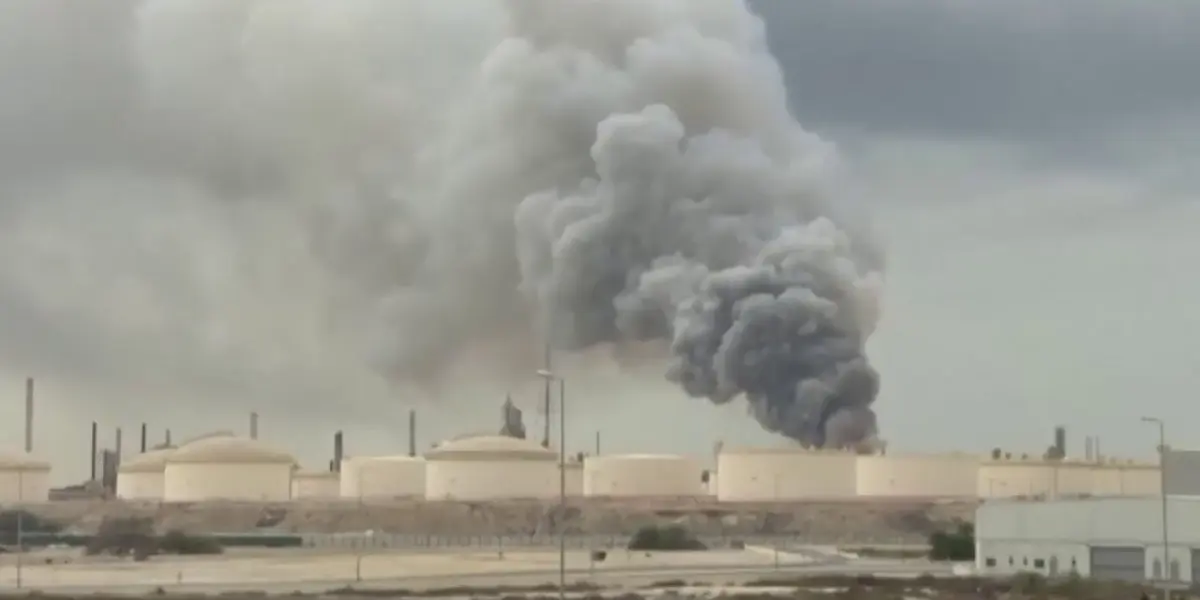
Iran Escalates Attacks on Civilian Infrastructure in Gulf States
In a significant shift in its military strategy, Iran has reportedly expanded its targeting to include critical civilian infrastructure across Gulf states and Israel. The recent wave of attacks, utilizing hundreds of missiles and drones, has impacted vital facilities such as desalination plants, hotels, airports, and data centers, transforming them into potential military targets. This escalation marks a notable change from previous conflict patterns, raising concerns about regional stability and the potential for wider economic disruption.
Strategic Calculus: Survival Over Victory
NBC News Military Analyst Colonel Steve Warren suggests that Iran’s recent actions are driven by a strategic imperative for survival rather than any expectation of outright military victory. Colonel Warren explained, “I think it’s probably the only strategy the Iranians have available to them. And here’s why the Iranians cannot prevail militarily over the American and Israeli forces that are arrayed against them. They can’t beat us in a head to head fight.”
He elaborated on this point, stating, “The only option is then to create pressure. So by striking the civilian infrastructures around the Gulf Nations, by striking, you know, energy… What they are trying to do is pressure, is create pressure on the President, on the United States of America, so that we eventually say enough.” This approach aims to impose economic pain on adversaries and their allies, compelling them to reconsider their involvement in the conflict.
Perceptions of Leadership and Future Strategy
The recent leadership change in Iran, with the designation of a new leader, coupled with pronouncements from Iran’s Foreign Minister about “surprises in store,” has led to speculation about potential shifts in strategy. However, Colonel Warren remains skeptical about Iran possessing significant untapped capabilities.
“I think they may try some. I don’t believe they have much in the way of capabilities remaining. No, I do not believe that. But I think they can still try some various… tactics,” Warren stated. He posited that Iran might attempt to inflict a significant blow, such as a mass casualty event, to gain leverage and potentially bring the conflict to a close. “If they can create a mass casualty event somehow kill a lot of people, a lot of Americans in a short time, that might give them some leverage,” he hypothesized.
While acknowledging that Iran might attempt attacks against U.S. warships or conduct terrorist attacks against regional posts and camps, Warren reiterated his belief that these efforts would likely stem from existing, rather than novel, capabilities. “So while I don’t believe they have any special capabilities that we haven’t already seen, I do believe they may try some additional… angles of attack,” he concluded.
The Concept of an ‘Off-Ramp’
The discussion also touched upon the concept of an “off-ramp” – a path to de-escalation or resolution of the conflict. Colonel Warren indicated that such an opportunity would likely only emerge when one side can no longer sustain the associated costs.
“The off ramp will come when one side or the other can’t take the pain anymore,” Warren explained. “So in the Iranians case, it’s the physical pain that the U.S. and Israeli forces are inflicting upon them. In the United States case, it’s the economic pain that the Iranians are trying to inflict on us by… striking civilian infrastructure of our partners and allies.” This suggests a prolonged period of pressure and counter-pressure before any potential diplomatic breakthrough.
Broader Implications and Future Outlook
The targeting of civilian infrastructure carries significant implications beyond the immediate military context. It risks exacerbating humanitarian concerns, disrupting global supply chains reliant on regional energy and trade routes, and potentially triggering a broader regional conflict. The deliberate nature of these attacks on non-military assets underscores a willingness by Iran to employ asymmetric tactics to achieve its strategic objectives, even at the risk of international condemnation and further isolation.
Moving forward, the international community will be closely monitoring Iran’s next moves, particularly in light of its stated intentions and the potential for further escalation. The response from the United States and its allies, as well as the internal dynamics within Iran following its leadership transition, will be crucial in determining the future trajectory of this escalating conflict and its impact on the wider Middle East region.
Source: Iran’s war targets spread into civilian infrastructure (YouTube)

Related Articles

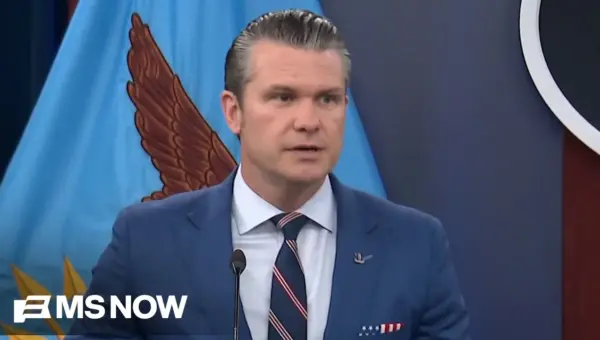
US Escalates ‘Epic Fury’ Strikes Against Iran
The U.S. has intensified Operation Epic Fury with its most significant strikes inside Iran to date, targeting missile stockpiles, naval capabilities, and nuclear ambitions. Officials described the operation as decisive, efficient, and a stark departure from previous prolonged conflicts.


Iran Soccer Players Granted Asylum in Australia After Anthem Protest
Five Iranian women's soccer players have been granted asylum in Australia after a silent protest during their national anthem at a tournament sparked backlash at home. Australian Prime Minister Scott Morrison confirmed the players are in a safe location after receiving humanitarian visas. The move follows international calls for protection, with fears they would face severe consequences if returned to Iran.
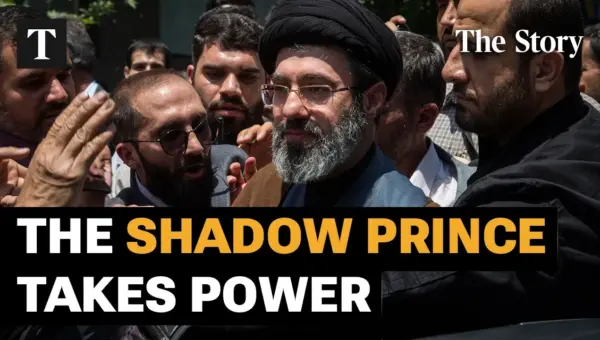
Iran Appoints Khamenei’s Son as Supreme Leader
Iran has appointed Mojtaba Khamenei, son of the late Ayatollah Ali Khamenei, as the new Supreme Leader. This decision follows the assassination of his father amidst regional conflict and marks a shift towards security credentials over clerical authority in leadership. The move signals continuity and defiance, presenting complex challenges for international relations and global stability.