Iran Taps Supreme Leader’s Son, Escalating Tensions With US
Iran has appointed Mojtaba Khamenei, son of the late Supreme Leader, as his successor, a move David Ignatius calls a "direct rebuff" to President Trump. The escalating conflict has led to strikes on civilian infrastructure and a significant surge in oil prices, intensifying pressure for a resolution.

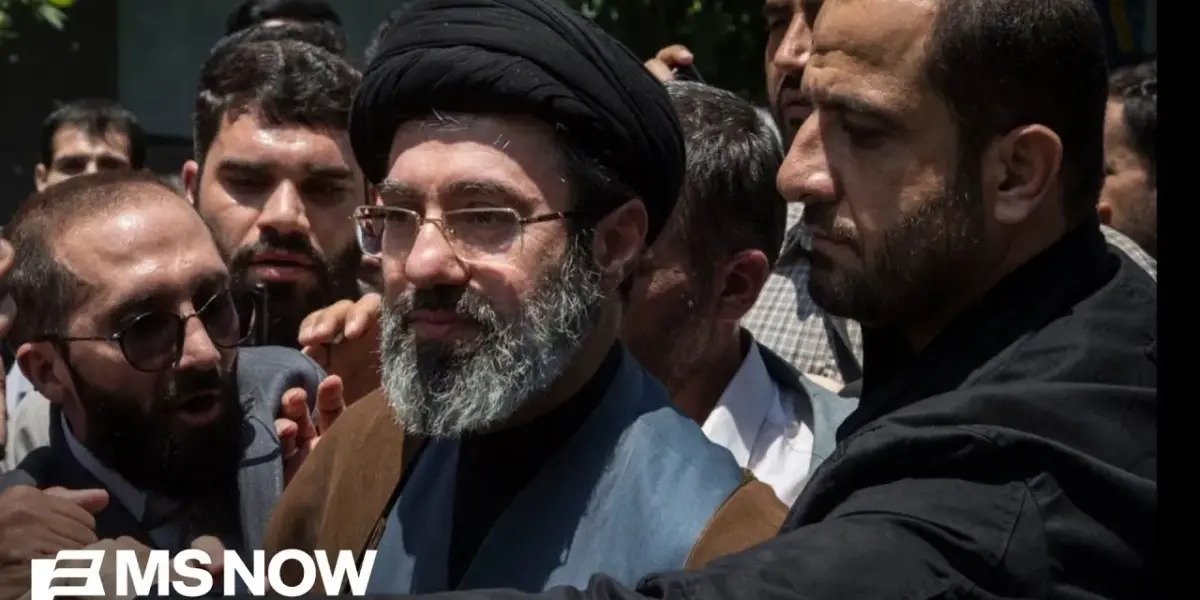
Iran Names Khamenei’s Son as Successor, Defying Trump
In a move seen as a direct challenge to the United States, Iran has officially selected Mojtaba Khamenei, the son of the late Supreme Leader Ayatollah Ruhollah Khomeini, to succeed his father. The decision was announced amidst escalating tensions in the Middle East, with the ongoing conflict now entering its second week and involving strikes on oil and gas facilities.
President Donald Trump had previously warned Iran against elevating any successor not approved by his administration. U.S. and Israeli officials have vowed that any new leader would remain a target. This strategic appointment by the Iranian regime, as reported by Axios, suggests a hardening of its stance, potentially complicating de-escalation efforts.
David Ignatius, a columnist for The Washington Post, described the selection as a “direct rebuff” to President Trump’s implicit suggestion that he might influence the choice of Iran’s next supreme leader. “They picked somebody who is so close to the IRGC that my source said he’s basically woven into the fabric of the IRGC,” Ignatius stated, indicating that the new leader is expected to be a hardliner.
Escalating Conflict and Civilian Concerns
The conflict, now in its second week, has seen significant developments including explosions at oil and gas storage facilities. While Iran’s president reportedly apologized to neighboring countries for recent attacks and pledged to cease offensive actions unless provoked, reports of continued explosions persist, raising concerns among Gulf states.
The U.S. and Israel have been conducting airstrikes, with reports indicating that Israeli strikes on Iranian fuel depots were broader than anticipated by the United States. Two sources told Axios that the U.S. is concerned these actions could further destabilize the region and drive up oil prices.
A significant point of contention has been the targeting of civilian infrastructure. Reports, including those from The New York Times, suggest that a Tomahawk missile may have struck a girls’ school, killing up to 175 people. While the intended target may have been a nearby naval facility, the civilian casualties have drawn sharp criticism.
Ignatius highlighted the strategic implications of striking civilian targets such as water desalination plants, which are vital for the region’s population. “When those plants are being struck, you are putting yourself in a position to create a lot of hostility,” he noted. He also pointed out that such actions, historically, tend to strengthen the resolve of the targeted population rather than break it.
“Bombing these fuel depots and water desalinization plants is intentional. We don’t know yet who’s doing the targeting, but it reminds me of a dispute that took place between the United States and Britain during World War II over what targets were appropriate.”
Even Senator Lindsey Graham, a vocal supporter of the war, reportedly issued a warning to Israel regarding careful target selection, underscoring the growing unease about civilian impact.
Economic Ramifications and Exit Strategy Uncertainty
The conflict’s impact on global markets is becoming increasingly severe, with oil prices surging past $100 a barrel and speculation that they could reach $150. The blockade of the Strait of Hormuz and other war-related effects are beginning to pinch the world economy, leading to growing pressure for a resolution.
Analysts suggest that President Trump may face significant political pressure to end the conflict within the next week, given the rising cost at the pump for consumers. However, wrapping up the war presents a complex challenge, especially with a hardline regime now in power.
The lack of a clear exit strategy is a significant concern. “The problem with this kind of bombing is that rather than breaking the will of the public, it seems from the history that we’ve all studied to actually tighten their resolve. It makes them angry, it makes them more willing to fight on,” Ignatius observed. He expressed hope that this factor would be considered in discussions about ending the war.
A Tenuous Situation Ahead
The current situation in Iran is described as dire, with skies over Tehran largely undefended, allowing U.S. and Israeli bombers to strike targets with relative ease. However, the resilience of the Iranian regime, which has been in power since 1979, is a key factor.
Despite the military pressure, there have been no signs of mass protests within Iran, leading to speculation about the potential need for ground troops, a move that many deem unlikely due to the significant logistical challenges and memories of the Iraq War.
The potential for Russia to be providing Iran with targeting intelligence for U.S. military assets has also emerged, a development that the Trump administration appears to be largely dismissing, much to the concern of observers.
Looking ahead, the coming week will be critical. The clash between market forces demanding an end to the economic disruption and President Trump’s desire to project strength will likely define the immediate future. The world will be watching to see if a diplomatic or negotiated strategy can emerge from this deeply entrenched conflict, or if the region is headed for further escalation.
Source: David Ignatius: Iran naming late supreme leader's son as successor a 'direct rebuff' to Trump (YouTube)

Related Articles


UK PM Must Court Trump Despite Party Backlash
British Prime Minister Keir Starmer faces a difficult balancing act, needing to maintain a crucial relationship with the US President despite domestic criticism. Rising global tensions and economic instability add further pressure, complicating the government's agenda and public finances.


Iran Appoints New Leader Amid Escalating Global Tensions
Iran has appointed Mojtaba Khamenei, son of the former leader, as its new Supreme Leader amidst escalating international conflict. The war has driven oil prices to record highs, impacting global markets and American consumers. Meanwhile, the U.S. military toll rises, and travel faces significant disruption due to the government shutdown.
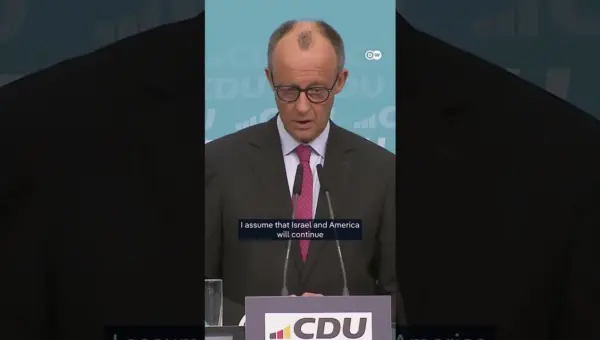
Merz: “Iran is the center of international terrorism, and must be shut down”
CDU leader Friedrich Merz has labeled Iran the "center of international terrorism" and called for the downfall of its current regime. Merz argued that regime change in Tehran is the quickest path to ending regional conflicts and that Iran's support for groups like Hamas and Hezbollah makes it a primary threat.