Iran Tangle: Trump’s Risky Gamble Isolates Allies
President Trump's Iran strategy is criticized for a lack of planning, alienating allies, and creating economic risks. The US faces a "cul-de-sac" with shifting goals and potential for further escalation.

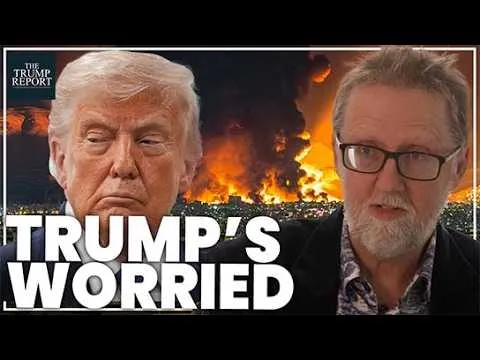
Trump’s Iran Strategy Leaves Allies in the Dark
President Trump’s approach to Iran has put the United States in a difficult spot, according to Professor Scott Lucas. Trump’s decision to keep allies like Japan uninformed about potential military actions has caused friction. During a meeting with Japan’s Prime Minister, a reporter asked Trump why he didn’t tell US allies about his plan to strike Iran. Trump’s response, comparing it to Pearl Harbor, left the room in awkward silence. This incident highlights a pattern of Trump’s communication style, which can be seen as impulsive and lacking consideration for diplomatic relationships.
Economic Fallout from Iran Tensions
The situation with Iran has serious economic consequences, both globally and domestically. A key concern is the Strait of Hormuz, a vital waterway for oil transport. Iran has the ability to disrupt shipping in this strait, and the US seems to have underestimated this threat. Reports indicate that tanker operators are paying significant sums, like $2 million, for safe passage through the Strait of Hormuz. This suggests Iran is using its control over the strait to generate income and exert political influence.
A Lack of Planning and Shifting Strategies
Professor Lucas points out a significant lack of planning by the Trump administration regarding Iran. They did not anticipate Iran potentially closing the Strait of Hormuz. Furthermore, their strategy appears to be shifting, with Treasury Secretary Steven Mnuchin suggesting the possibility of unsanctioning Iranian oil. This move, intended to boost global supply and lower prices, would also put money directly into Iran’s pockets. This appears contradictory to the goal of pressuring the Iranian regime.
Internal Divisions and a “Cul-de-Sac”
The differing statements from within the Trump administration, such as those from Mnuchin versus other officials advocating for military action, suggest internal divisions. This lack of a clear, unified strategy has left the US in a difficult position, described as a “cul-de-sac.” The administration seems unsure of how to proceed, especially given the potential for global economic disruption and the fact that Iran has had years to plan its responses.
Iran’s Asymmetric Warfare Advantage
Iran’s strategy is not about direct military confrontation with the US, which it knows it cannot win. Instead, Iran employs asymmetric warfare, using allies and proxies like the Houthis in Yemen to threaten shipping and create instability. This approach allows Iran to exert influence without engaging in a full-scale war. The US administration, by contrast, has been criticized for gutting its intelligence and diplomatic expertise, potentially leading to poor decision-making.
The $200 Billion Question and Future Outlook
The Pentagon’s request for $200 billion to fund the ongoing conflict raises further questions, especially when Trump has suggested the war would end soon. This large sum suggests a longer conflict than initially stated. Some analysts, like those quoted by Axios, speculate about potential US actions like blockading or occupying Kharg Island, a major oil export hub for Iran. However, the economic impact of such actions, and the broader disruption to infrastructure, could take months or even years to repair.
Shifting Goals: Regime Surrender vs. Regime Change
A crucial distinction in the US approach is the goal of “regime surrender” rather than outright “regime change.” This means Iran’s government could remain in power if it agrees to specific demands, such as abandoning its nuclear program and ballistic missile development. However, the US has given itself few options, leaving Iran with little incentive to fully capitulate. This has reportedly angered Gulf states like Saudi Arabia, who want a swift resolution to avoid prolonged instability.
Broader Geopolitical Implications
The situation is further complicated by potential moves beyond Iran. The large military funding request and the lack of a clear resolution in Iran could lead the US to seek other targets, with Cuba mentioned as a possibility. This suggests a pattern of seeking dominance and projecting power. However, the economic shockwaves from the Iran conflict, particularly damage to infrastructure, may ultimately dictate the pace and direction of future US foreign policy actions.
Why This Matters
The current Iran strategy highlights the dangers of impulsive foreign policy decisions made without adequate planning or consultation with allies. The economic consequences of escalating tensions in the Strait of Hormuz could impact global energy markets and supply chains. Furthermore, the internal divisions within the US administration and the lack of a clear endgame create uncertainty and risk further instability in an already volatile region. The focus on “regime surrender” over “regime change” also raises questions about the long-term stability and future of Iran itself.
Source: Trump’s ‘on his own’ in Iran after burning bridges with everyone else | Scott Lucas (YouTube)

Related Articles


Trump’s Iran Claims: Shocked or Deluded by War Games?
Donald Trump claimed surprise over Iran's actions in the Strait of Hormuz, but experts suggest retaliation was inevitable. Military war games likely predicted such a scenario, raising questions about the advice given to the President.
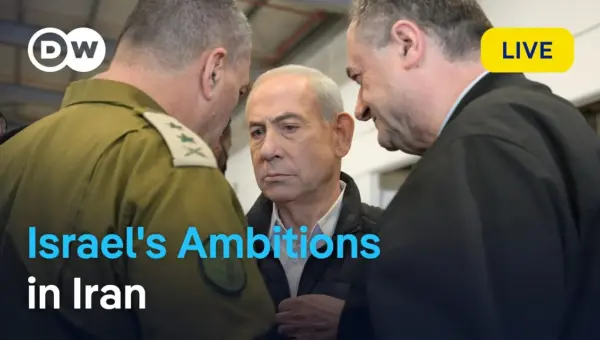
Israel’s Strategy Against Iran Revealed
Israel's strategy to counter Iran's nuclear ambitions and regional influence centers on containment, utilizing a mix of covert military actions, intelligence operations, and diplomatic pressure. Analysts highlight the growing urgency due to Iran's nuclear advancements, while also noting the persistent risk of escalation in the volatile Middle East.

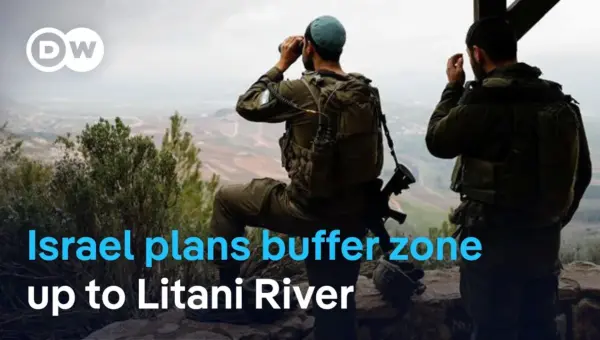
Israel Eyes Lebanon Buffer Zone: A Political Ploy?
Israel's military operations in southern Lebanon aim to create a buffer zone and pressure Hezbollah, according to expert Yazid Sayigh. He argues the strategy is more political than military, echoing historical tactics. The ongoing conflict could destabilize Lebanon further, while Hezbollah fights for survival.