Iran Talks Stall: US Threatens Military Action, Cuba Awaits Fate
High-stakes U.S.-Iran talks in Pakistan face uncertainty as Iran demands a Lebanon ceasefire and sanctions relief, while President Trump threatens military action. Cuba's President vows to defend the revolution, expressing fears of becoming a U.S. "conquest" amidst regional tensions.

US-Iran Talks Face Hurdles Amidst Military Threats and Regional Instability
High-stakes negotiations between Iran and the United States have begun in Pakistan, but the path to a deal is fraught with tension. President Trump has openly threatened military action if an agreement isn’t reached, with reports indicating increased U.S. naval activity in the Middle East. The President stated, “We’re going to find out in about 24 hours. We’re going to know soon about whether or not the talks are a success.” However, Iran has declared it will not proceed with peace talks unless a ceasefire is established in Lebanon and sanctions on Iranian assets are lifted. This raises serious questions about the likelihood of success for these critical discussions.
Lebanon Ceasefire Opens Door for Pakistan Negotiations
Despite the deep-seated distrust and complex issues, the talks are expected to proceed, with both sides scheduled to sit down. A key development that may facilitate these discussions is President Trump’s reported instruction to Israel to “lowkey” its airstrikes. Crucially, Israeli and Lebanese representatives are also set to engage in negotiations. While Lebanon has historically been hesitant to disarm Hezbollah, the current Lebanese government shows a stronger willingness than in recent memory to take more control and attempt to neutralize the group’s influence. This willingness has been a long-sought goal, making the upcoming negotiations a significant step.
Key Figures and Shifting Dynamics in the US Delegation
The U.S. delegation is led by Vice President J.D. Vance, a notable choice reportedly requested by Iran. Vance, who initially opposed the conflict, committed to supporting the administration’s efforts once the green light was given. His inclusion is significant, especially given his recent comments suggesting a communication gap with the Iranian side. He also indicated that an Iranian ten-point plan presented might be more workable than initially perceived, hinting at the complexity and potential for misunderstandings. This has led to speculation about the true intentions and flexibility on both sides.
Gulf Allies Seek Ironclad Security in Any Deal
Discussions with Gulf allies reveal a strong desire for an “ironclad” agreement that guarantees regional security, ensures the freedom of navigation in the Strait, and addresses Iran’s broader threats. These allies reportedly feel more comfortable with Jared Kushner’s presence on the delegation. They believe Kushner, who has extensive business dealings in the Gulf, understands the region’s security needs and will not settle for a mediocre outcome. This perspective suggests that while a swift, comprehensive deal may be unlikely, the initial talks could lay the groundwork for a more extended diplomatic process.
Managing Expectations: A Process, Not a Quick Fix
Experts advise lowering expectations for an immediate breakthrough. The ambassador’s remarks suggest that the immediate goal is to initiate a process where both sides can begin talking in good faith. Given years of mistrust and numerous unresolved issues, a durable deal tomorrow is improbable. However, if both parties continue to engage constructively, it could help de-escalate rising tensions. The implicit hope, as suggested by the ambassador, is that President Trump refrains from military actions, such as the previous strikes, while these sensitive negotiations are underway. The emphasis is on good faith engagement as the crucial first step.
Cuba’s President Vows to Defend Revolution Amidst US Threats
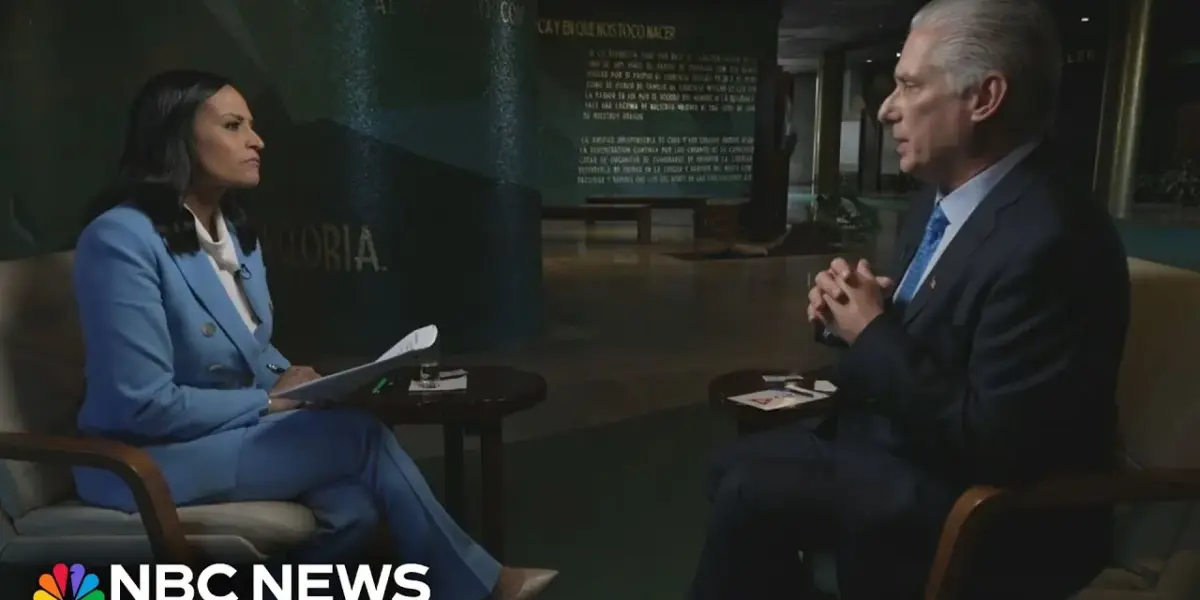
Meanwhile, Cuba finds itself watching the escalating situation with concern. President Miguel Díaz-Canel, in a recent interview, responded to President Trump’s threats that Cuba could be next. When asked if he feared for his life or was prepared to make the ultimate sacrifice, he stated firmly, “Have no fear. I am willing to give my life for the revolution.” He also expressed hope that the American people would not support an invasion of a small island nation that poses no national security threat to the United States. This defiant stance highlights Cuba’s resolve to protect its sovereignty.
Cuban Leadership Weighs Concessions Amidst Fear of Escalation
While President Díaz-Canel is willing to defend the revolution with his life, he has not committed to stepping down. This comes amid speculation that Cuba might be willing to sacrifice a figurehead leader to preserve the system, drawing parallels to Venezuela and Iran. The interview granted to the journalist was seen as a deliberate move to signal Cuba’s concerns to the international community, particularly the U.S. government. The Cuban leadership is reportedly worried about President Trump potentially shifting focus to Cuba after dealing with Iran, a fear amplified by Trump’s recent comments about the U.S. military being ready for “next conquests.” The world is now closely observing these diplomatic and geopolitical developments.
What’s Next: Monitoring Diplomatic Progress and Regional Stability
The coming days will be critical in assessing the trajectory of U.S.-Iran relations and the broader implications for regional stability. All eyes will be on the negotiation table in Pakistan to see if a process of dialogue can be established, however tentative. Simultaneously, Cuba’s situation remains precarious, with its leadership anxiously awaiting any signs of a shift in U.S. policy. The international community will be monitoring closely to see if diplomacy can prevail over military threats and if a lasting peace can be forged in these volatile regions.
Source: Cuban president: 'I am willing to give my life for the revolution' (YouTube)

Related Articles

Iran Gains Strait of Hormuz Control Amidst War
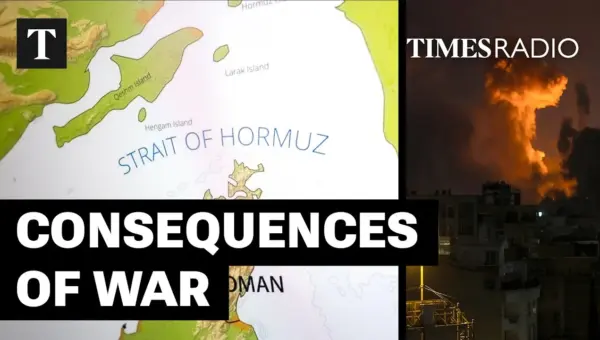
Top US officials are traveling to Pakistan for critical talks with Iran, facing preconditions including a ceasefire in Lebanon and the release of blocked assets. Iran's de facto control over the Strait of Hormuz has emerged as a significant leverage point in the escalating regional tensions. The negotiations are expected to be tough, with both sides holding firm positions on key issues.


Netanyahu Pushed for Iran Attack; Only Trump Said Yes
John Kerry confirmed that Israeli Prime Minister Benjamin Netanyahu proposed attacking Iran to multiple U.S. presidents. While Barack Obama, George W. Bush, and Joe Biden refused, Donald Trump was the only one who agreed to the plan. This highlights significant differences in foreign policy approaches among U.S. leaders regarding Iran.
Oil Prices Hold Steady Amid Iran Tensions, Inflation Eases
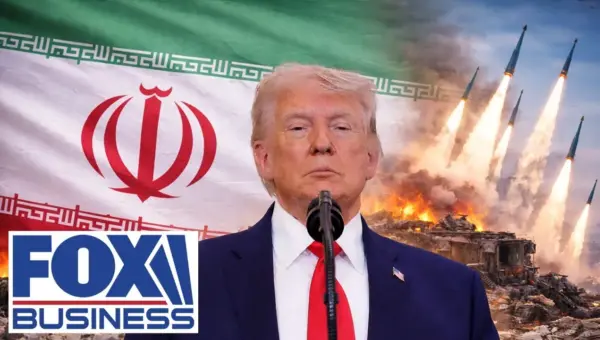
Oil prices remain below $100 a barrel despite rising tensions with Iran, as inflation shows signs of cooling. While diplomatic talks face significant hurdles, Saudi Arabia's pipeline capacity and falling food prices offer some economic stability. Investors remain cautious, weighing geopolitical risks against easing price pressures.