Iran Talks Stall: US ‘Arrogance’ Fuels Mideast Stalemate
Peace talks between Iran and the U.S. in Pakistan have stalled due to what Iran calls "excessive demands" and a U.S. attempt to alter a pre-agreed 10-point framework. Tensions are high, with both sides expressing deep mistrust and a readiness for conflict.

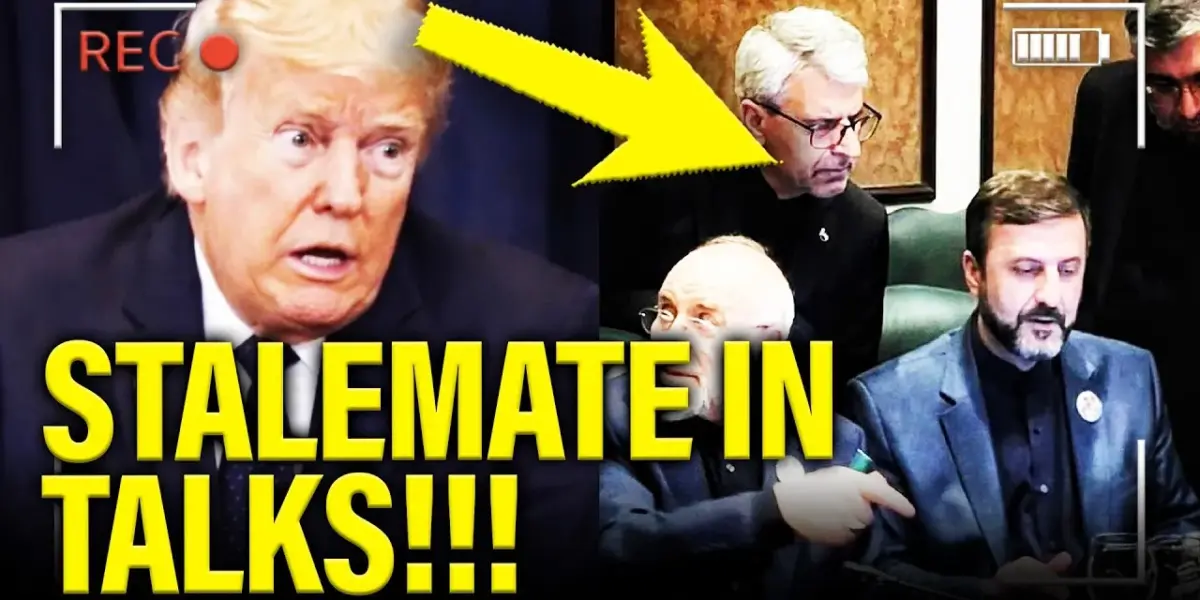
Iran Talks Stall: US ‘Arrogance’ Fuels Mideast Stalemate
Peace talks aimed at easing tensions in the Middle East have hit an immediate roadblock, with Iran accusing the United States of making “excessive demands.” Representatives from the Trump administration, including JD Vance, Jared Kushner, and Steve Woff, met with Iranian leaders in Islamabad, Pakistan. The core issue appears to be a disagreement over a 10-point framework that Iran had proposed as a condition for talks and a ceasefire. Iran insists on sticking to this original plan, while the U.S. delegation reportedly tried to change its terms.
Iranian state media reported that their leaders would make one last effort to negotiate directly with the U.S. However, if a deal cannot be reached within the agreed-upon 10-point framework, Iran has stated it will walk away from the discussions. This stalemate highlights a deep mistrust between the two sides, with Iran feeling that the U.S. is not negotiating in good faith. Professor Muhammad Morandi, part of the Iranian delegation, posted that “unreasonable demands from the Trump regime are still hindering the establishment of the desired framework.” He added that Iran is determined to solidify its military gains from recent conflicts.
Strait of Hormuz: A Point of Contention
A major sticking point in the negotiations seems to be control over the Strait of Hormuz, a vital waterway for global oil transport. Iran has always maintained it controls this strategic area and has rejected any idea of a joint venture with the United States. However, the U.S. reportedly proposed a shared control arrangement, which Iran has firmly rejected. “We want to build on our gains from this war,” Iranian representatives stated, emphasizing their refusal to agree to such a joint venture. This disagreement over sovereignty and control is a significant obstacle to any potential agreement.
“The United States cannot conduct serious diplomacy. Their arrogance and maximalist approach make it extremely difficult for them to show minimum care and flexibility for the interests and concerns of other nations.”
– Pakistani Diplomat
A Pakistani diplomat, speaking anonymously, described the U.S. approach as arrogant and unwilling to be flexible with other nations’ concerns. This sentiment is echoed by Iranian officials, who feel the U.S. agreed to the 10-point framework only to draw Iran into negotiations, then attempted to change the terms significantly. The Iranian president, Pzeskian, has affirmed that the delegation is there to protect Iran’s interests and will negotiate with courage, regardless of the outcome.
U.S. Navy Actions Raise Tensions
Adding to the already tense atmosphere, the U.S. Navy reportedly sent two destroyers through the Strait of Hormuz to conduct a mine-sweeping operation. Iran’s navy quickly located these vessels and instructed them to turn back. The mediator, Pakistan’s Prime Minister Sharif, was informed of the situation. He reportedly communicated to the U.S. that no further talks would continue unless the destroyers retreated. The destroyers did indeed turn around, but not before U.S. Central Command (Centcom) issued a statement claiming a mine-clearing mission had begun. This discrepancy between Centcom’s statement and reports from Bloomberg and Iranian officials suggests a potential effort to control the narrative through propaganda.
The timing of these actions, occurring while peace talks are underway, is seen by Iran as a deliberate attempt to undermine the negotiations. Professor Morandi stated that Iran does not trust the U.S., citing past instances where negotiations were allegedly followed by attacks. He believes these negotiations are partly to show the international community that the U.S. is the dishonest party, while Iran is genuinely seeking solutions. Iran has made it clear that it is prepared to return to conflict if its demands are not met.
Netanyahu’s Stance and China’s Growing Role
Meanwhile, Israeli Prime Minister Netanyahu held a press conference stating that Israel’s campaign against Lebanon is not over and that Iran is struggling to survive. He vowed that Israel would continue to fight Iran’s regime. This statement, made during the ongoing peace talks, adds another layer of complexity to the regional dynamics. Concurrently, reports suggest that China is increasing its involvement in the Middle East, providing weapons and supplies to Iran. This growing Chinese influence is seen by some as a direct result of perceived U.S. weakness or withdrawal from the region, presenting China with a significant opportunity to assert greater control.
Adding to the controversy, an op-ed published in The Washington Post by Mark Thon, described as a Trump proxy, called for the assassination of Iranian negotiators if a deal is not reached. The op-ed suggested that the lives of Iranian leaders depend on reaching a settlement favorable to Trump. Iran’s foreign ministry spokesperson condemned this as a public incitement for state terrorism, questioning if this constitutes a U.S. policy discourse that normalizes extortion through threats of violence. The Iranian social media accounts have actively shared this article, highlighting it as further proof of American hostility and threats.
Why This Matters
The breakdown of these talks, if it occurs, has significant implications for regional stability and global security. The Strait of Hormuz remains a critical chokepoint, and any escalation of conflict there could disrupt global energy markets. The apparent U.S. strategy of agreeing to terms and then attempting to change them, coupled with actions like the naval maneuvers, fuels Iranian distrust and makes future diplomatic efforts even more challenging. This situation also presents an opportunity for other global powers, like China, to expand their influence in a region where U.S. engagement is perceived as inconsistent or unreliable.
Historical Context and Future Outlook
This situation echoes past periods of heightened tension and failed negotiations in the Middle East. The history of U.S.-Iran relations is marked by deep suspicion, stemming from events like the 1953 coup, the 1979 revolution, and subsequent confrontations. The current talks appear to be a continuation of this pattern, where trust is scarce and preconditions are easily violated. The inclusion of figures like Jared Kushner, whose business dealings have drawn scrutiny, and the aggressive rhetoric from some U.S. media figures, further complicate diplomatic efforts. The future outlook remains uncertain, with both sides showing a willingness to resort to military action if diplomatic channels fail. The ongoing involvement of regional powers like Pakistan as mediators, and the increasing role of China, suggest a shifting geopolitical landscape. Whether these talks can be salvaged or will lead to further conflict will depend on a significant change in approach from all parties involved, particularly the U.S.’s willingness to engage with genuine flexibility and respect for agreed-upon frameworks.
Source: BREAKING: Trump PANICS over STALEMATE in IRAN TALKS!!! (YouTube)

Related Articles

Trump’s Pakistan Deal Collapses, Media Confrontation Erupts
Negotiations in Pakistan involving Iran have reportedly collapsed, leading to a heated exchange between Donald Trump and the media. The breakdown raises questions about U.S. foreign policy effectiveness and the accuracy of political claims regarding the conflict with Iran.

Iran Scrambles Drones, U.S. Warships Face Threats
Iran allegedly scrambled drones at U.S. warships in the Strait of Hormuz amidst tense negotiations. Reports also hint at potentially captured Iranian pilots in U.S. custody, adding another layer of intrigue to the volatile regional dynamics.

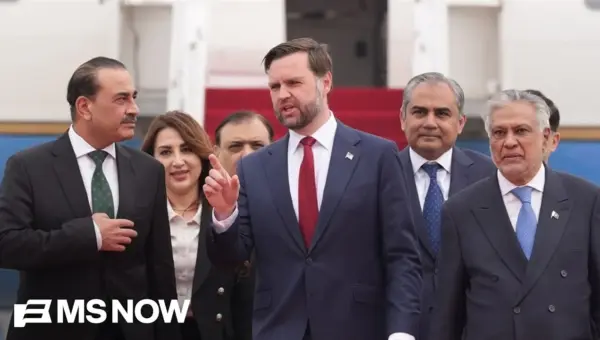
Iran Nuclear Deal Expert Warns Against Quick Deal Expectations
Robert Malley, a key negotiator of the 2015 Iran nuclear deal, warns against expecting a quick or easy resolution in current U.S.-Iran peace talks. He stresses that any agreement will require compromise from both sides, not surrender. Malley suggests the current talks may focus on immediate steps like reopening the Strait of Hormuz and sanctions relief, laying groundwork for future, more comprehensive discussions.