Iran Talks Stall Amid Lebanon Strikes, Strait of Hormuz Tensions
High-level U.S.-Iran talks are underway but face major hurdles, including ongoing Israeli strikes in Lebanon and lingering disputes over the Strait of Hormuz. Iran demands asset unfreezing and a Lebanon ceasefire, while the U.S. focuses on securing vital shipping lanes.

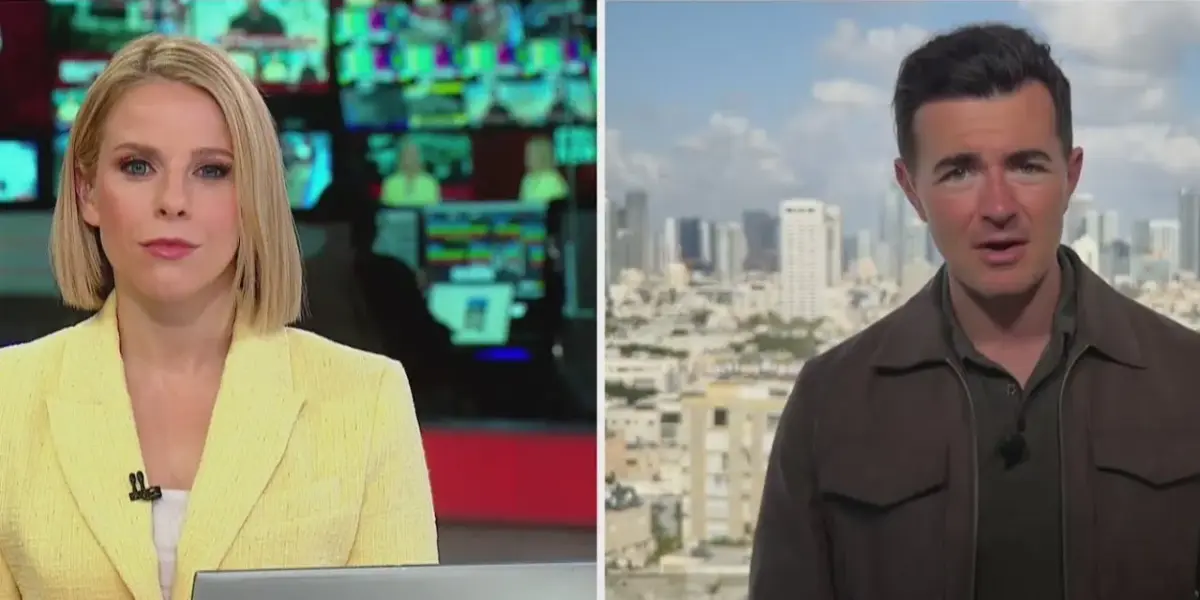
High-Level Talks Face Hurdles as Regional Conflicts Escalate
The highest-level talks between the United States and Iran in decades have begun, but early signs point to significant challenges. These crucial discussions, the first of their kind since 1979, are happening with Vice President Biden meeting with Pakistan’s Prime Minister and other top officials in Islamabad. While direct negotiations are now taking place, previous talks often relied on mediators. This shift to face-to-face meetings signals a serious effort, but optimism is mixed.
Both Sides Weigh Diplomacy and Military Options
Both the U.S. and Iran have stated they want to ‘take the temperature’ of their counterparts. This means they want to see if there is a real chance to reach an agreement. If a deal seems possible, talks will continue. However, if no common ground is found, both sides have warned they are ready to return to conflict quickly. The Iranian delegation is currently aligning its positions before meetings. They have given no public indication of backing down from their key demands.
Key Iranian Demands Clash with U.S. Stance
Two main points Iran has raised are the unfreezing of Iranian assets and a ceasefire in Lebanon. Iran’s Speaker of Parliament called for these actions before the talks started. However, initial reports from U.S. officials suggest that Iranian assets are not being unfrozen at this time. This indicates a significant gap between the two sides’ priorities.
Lebanon Border Remains a Flashpoint
The situation on Israel’s northern border remains tense. The Israeli Air Force has been carrying out strikes on southern Lebanon, targeting Hezbollah positions. This is happening even though direct negotiations between Lebanon and Israel are scheduled in a few days. These future talks are important because the two countries do not have official diplomatic ties. Israel, however, is not showing any signs of stopping its operations in southern Lebanon. Iran has repeatedly pointed to this conflict as a major point of contention.
Strait of Hormuz Concerns Persist
President Trump mentioned that the U.S. has intelligence indicating Iran may not know the exact location of all the mines it has placed in the Strait of Hormuz. Iran has cited these mines as the reason it cannot reopen the vital waterway, fearing damage to ships. The President stated that while he is unaware of the specific intelligence about Iran’s knowledge, the U.S. knows where the mines are. The U.S. is reportedly bringing sophisticated mine-clearing equipment to the area. This issue is a serious concern for many Gulf states, who worry about the safety and accessibility of the Strait.
Reduced Traffic Highlights Strait’s Importance
Recent comments suggest that U.S. actions may have degraded Iran’s ability to worsen the situation in the Strait of Hormuz. The focus is now on stabilization. While other countries have offered support for efforts to reopen the Strait, their specific commitments are unclear. The impact of the tensions is clear when looking at shipping traffic. Only a few ships have passed through the Strait in the last couple of days, a sharp drop from the 120-40 ships seen just two months ago. Finding ways to remove the mines and create countermeasures is the ultimate goal.
Global Impact
The ongoing tensions in the Strait of Hormuz directly affect global energy markets. A significant portion of the world’s oil supply passes through this narrow waterway. Any disruption can lead to higher oil prices worldwide, impacting economies from the United States to Europe and Asia. The conflict in Lebanon, fueled by regional rivalries, also risks drawing in more actors and destabilizing the Middle East further. The failure of these high-level talks could lead to increased military activity, potentially escalating conflicts and impacting international shipping and trade routes.
Historical Context
The Strait of Hormuz has been a critical chokepoint for centuries, controlling access between the Persian Gulf and the open ocean. Its strategic importance has made it a focal point in regional conflicts and international diplomacy for decades. The current tensions echo past standoffs, particularly those involving Iran and the United States since the 1979 Islamic Revolution. The U.S. naval presence in the region, aimed at ensuring freedom of navigation, has often been a point of friction with Iran. The current situation reflects a long-standing pattern of strategic competition and brinkmanship in this vital global waterway.
Economic Leverage and Future Scenarios
Economic factors play a crucial role in these negotiations. Iran’s demand for the unfreezing of assets is tied to its economic struggles, exacerbated by international sanctions. The U.S. and its allies have used sanctions as a tool to pressure Iran on various issues, including its nuclear program and regional activities. The ability of Iran to disrupt shipping in the Strait of Hormuz represents a significant economic threat it can wield. Several future scenarios are possible: the talks could lead to a de-escalation, with both sides making concessions; they could stall completely, leading to renewed hostilities; or a limited agreement might be reached on specific issues, leaving broader disagreements unresolved. The path forward will depend heavily on the willingness of both parties to compromise and the evolving regional security dynamics.
Source: Trump: U.S. knows where Iranian mines are in Strait of Hormuz | NewsNation Live (YouTube)

Related Articles


Iran Seeks Vance as US Envoy Amid Shifting War Aims
New peace talks are underway, but Iran remains skeptical due to past U.S. actions. Analysts suggest U.S. war aims lack clarity, complicating negotiations. Iran has reportedly requested J.D. Vance's presence, viewing him as a war skeptic.


Lebanon Cancels US Peace Talks Amid Hezbollah Threats
Lebanon's Prime Minister has canceled his planned peace talks with the U.S. and Israel in Washington D.C. amid internal circumstances and threats from Hezbollah. Meanwhile, high-level U.S.-Iran negotiations are underway in Pakistan, with Vice President JD Vance leading the American delegation.

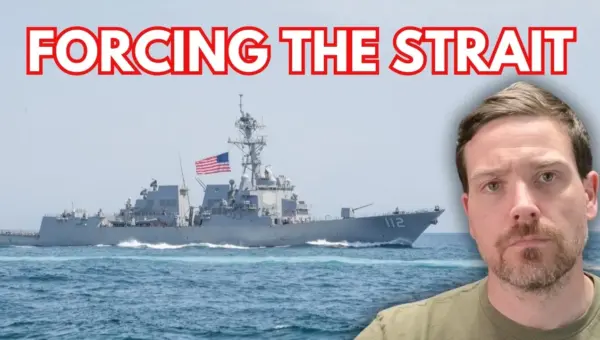
US Warship Tests Iran’s Resolve in Key Strait
A U.S. Navy warship's uncoordinated transit through the Strait of Hormuz is seen as a U.S. display of strength amid ongoing Iran-U.S. talks. Iran claims the ship was forced back, while U.S. officials assert freedom of navigation. This event, alongside Iran's list of non-negotiable demands, signals a complex negotiation landscape with high stakes for regional stability.