Iran Talks Collapse: US Blocks Strait, Escalates Tensions
Peace talks between the U.S. and Iran have collapsed over Iran's nuclear ambitions. In response, the U.S. Navy has initiated a blockade of the Strait of Hormuz, escalating tensions and threatening global oil supplies. This move follows Iran's refusal to meet key American demands.

Iran Talks Collapse: US Blocks Strait, Escalates Tensions
Peace talks between the United States and Iran have failed, leading to a significant escalation. The U.S. Navy is now blockading the Strait of Hormuz, a vital waterway for global oil shipments. This move comes after Iran reportedly refused to meet American demands, particularly regarding its nuclear program.
U.S. Demands Unmet, Talks Fail
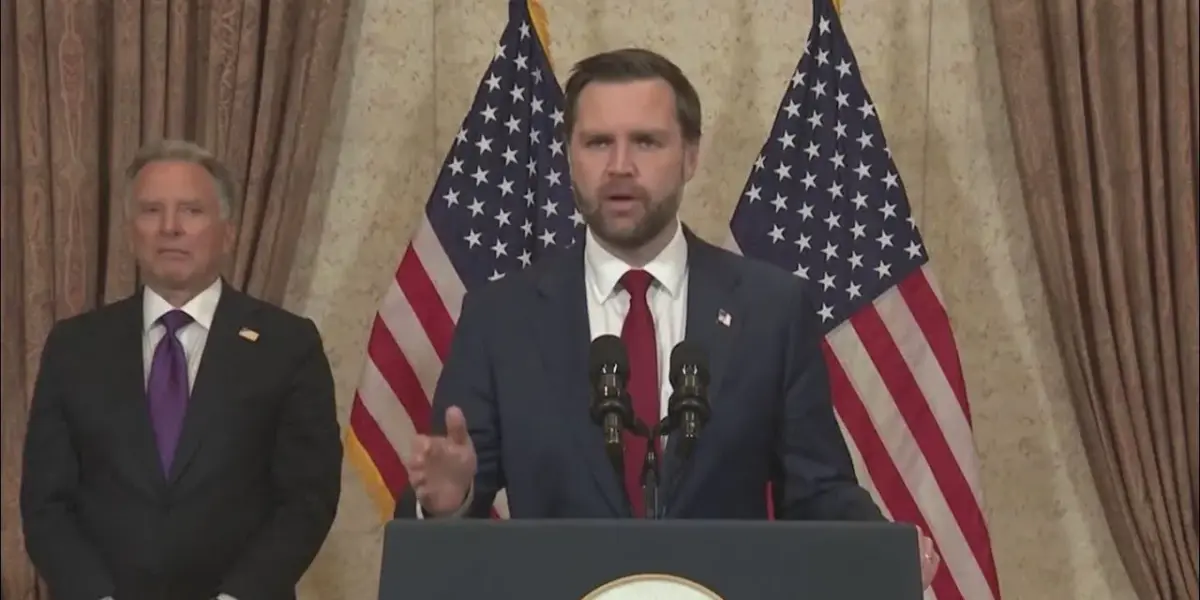
According to a U.S. official speaking to NewsNation, peace negotiations broke down after 21 hours in Pakistan. The core issue was Iran’s refusal to abandon its nuclear ambitions. President Trump stated that Iran’s nuclear program is the single most important point of contention. The Vice President confirmed the talks ended because Iran would not accept U.S. terms. These terms, described as “red lines,” included several key demands.
Key U.S. Demands for Iran
- Ending all uranium enrichment.
- Removing already enriched uranium.
- Establishing a security framework for peace with regional allies.
- Stopping Iran’s funding of groups like Hamas, Hezbollah, and the Houthis.
- Fully reopening the Strait of Hormuz without any tolls.
Iran’s rejection of these demands led directly to the breakdown of diplomatic efforts and the subsequent U.S. actions.
Strait of Hormuz Blockade and Military Readiness
In direct response to the failed talks, President Trump announced an immediate U.S. Navy blockade of the Strait of Hormuz. This blockade applies to all ships attempting to enter or leave the strait. The President cited concerns that Iran might have laid mines in the waterway. The U.S. Navy is actively working to locate and remove any potential mines. Furthermore, the U.S. Navy will intercept ships that have already paid tolls to Iran to pass through the strait. President Trump also issued a stark warning, stating the U.S. military is “fully locked and loaded” to confront Iran if necessary.
Economic Impact and U.S. Domestic Concerns
The closure of the Strait of Hormuz could have serious economic consequences, particularly for Americans facing rising gas prices. While President Trump has downplayed current high gas prices as a short-term issue, the blockade is expected to prolong the oil shortage and contribute to global price spikes. The President expressed hope that oil and gas prices might stabilize before the upcoming midterm elections, though his timeline was uncertain. The White House plans to refocus on its economic message, with the President scheduled to highlight new tax policies aimed at providing larger tax refunds to Americans.
Historical Context and Geopolitical Stakes
The Strait of Hormuz is a critical chokepoint, through which a significant portion of the world’s oil passes daily. Any disruption here has immediate global repercussions. The U.S. demands regarding Iran’s nuclear program echo long-standing international concerns about preventing Iran from developing nuclear weapons. The funding of regional militant groups also represents a major point of friction, impacting stability across the Middle East. The current confrontation builds upon decades of complex relations between the U.S. and Iran, marked by periods of intense hostility and intermittent, often strained, diplomatic engagement.
Global Impact: Reshaping the World Order
This breakdown in diplomacy and the subsequent military actions signal a potentially dangerous new phase in U.S.-Iran relations and broader Middle East security. The blockade of a vital global trade route threatens international commerce and energy markets. It also heightens the risk of direct military confrontation. The situation underscores the fragility of international security when core demands on nuclear proliferation, regional influence, and freedom of navigation cannot be resolved through negotiation. The world watches closely as competing interests in the Persian Gulf move from the negotiating table to a direct confrontation, potentially reshaping regional alliances and global power dynamics.
Source: US official says Iran could not agree to America’s red lines for ending the war | NewsNation Live (YouTube)

Related Articles

US Navy Blockade of Strait of Hormuz: Power Play or Empty Threat?
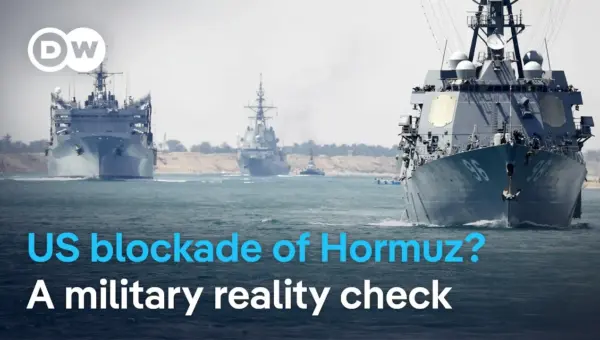
President Trump has threatened a U.S. Navy blockade of the Strait of Hormuz after failed peace talks with Iran. While the U.S. possesses significant naval power, the narrow strait presents challenges, and Iran could retaliate by threatening oil supplies. The situation is described as dangerous brinkmanship in ongoing negotiations.
Trump Orders Strait of Hormuz Blockade, Risks Global Oil Shock
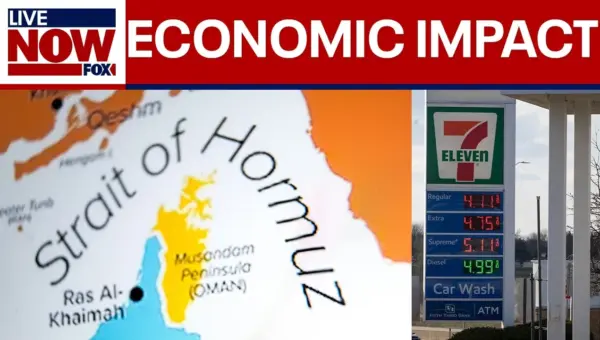
President Trump has ordered the U.S. Navy to blockade the Strait of Hormuz, a critical global oil transit point, sparking fears of soaring energy prices and inflation. This strategic move aims to exert pressure on Iran and China, while also addressing domestic economic concerns ahead of midterm elections.


Iran’s Strait of Hormuz Blockade Shifts Global Oil Power
Iran's control over the Strait of Hormuz, a vital global oil route, is shifting economic power dynamics. As former President Trump declared a U.S. naval blockade, experts highlight Iran's effective use of this physical choke point, challenging U.S. financial leverage and potentially forcing negotiations under duress.