Iran Talks Collapse: No Deal on Nuclear or Strait Fees
International talks aimed at halting Iran's nuclear program have collapsed, with negotiators returning home without a deal. Key disagreements over uranium enrichment and control of the Strait of Hormuz remain unresolved, raising concerns about regional stability and oil prices.

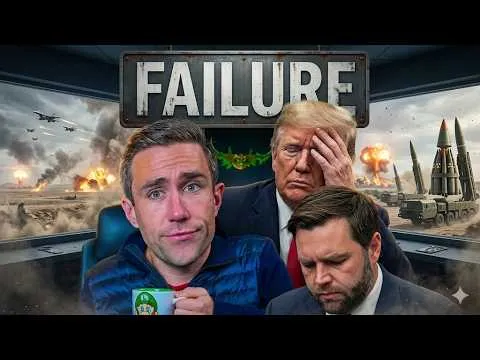
Iran Nuclear Talks Stall Amid Disagreements on Enrichment and Strait Access
International talks aimed at preventing Iran from developing nuclear weapons have broken down, with negotiators returning to the United States without an agreement. The discussions, which involved Senator JD Vance, failed to resolve key disputes, including Iran’s demand for nuclear enrichment capabilities and its desire to impose tolls on ships passing through the Strait of Hormuz.
Senator Vance, who led the U.S. delegation, stated that the U.S. presented its “best and final offer” after 21 hours of negotiations. However, Iran did not accept the terms, which included no nuclear enrichment and no tolls for passage through the vital waterway. Vance emphasized the U.S. need for a clear commitment from Iran that it will not develop nuclear weapons, a commitment he believes is still lacking.
Key Sticking Points: Nuclear Ambitions and Strait Control
A major hurdle in the negotiations is Iran’s insistence on its right to enrich uranium. This is a capability that could bring the country closer to developing nuclear weapons. The United States and other international partners aim to prevent Iran from becoming another nuclear-armed state, similar to North Korea. Iran, however, views uranium enrichment as a fundamental right.
Another significant point of contention is Iran’s attempt to control passage through the Strait of Hormuz. This strategic waterway is crucial for global oil transport. Iran is reportedly demanding tolls or fees from ships, a practice not previously in place. Reports suggest that many ships are now deliberately avoiding certain areas within the strait, possibly to steer clear of naval mines, a tactic that Iran is known to employ.
“We are negotiating in good faith,” Senator JD Vance stated, though he also noted the lack of fundamental commitment from Iran regarding nuclear weapons development.
The number of ships transiting the Strait of Hormuz has reportedly decreased significantly, from around 140-150 ships per week before recent conflicts to about 70 per week now. Iran’s assertion of control over this waterway represents a significant shift and has raised concerns about potential disruptions to global trade and energy supplies.
Divergent Views and Propaganda
Both sides have presented differing accounts of the negotiations. While the U.S. delegation, led by Vance, described their offer as final and stressed the lack of progress on key issues, Iranian officials have accused the United States of making excessive demands that have hindered diplomacy. Iran’s Foreign Minister suggested that the success of diplomacy depends on the seriousness and good faith of all parties involved, urging a move away from “maximalist and unlawful demands.”
The breakdown of these talks is particularly disappointing given the efforts made by mediators, such as Pakistan, to facilitate an agreement. The failure to even establish a basic framework or outline for future discussions suggests a deep divide between the negotiating parties.
Market Impact and Investor Considerations
The collapse of these talks has several potential implications for markets and investors. Increased tensions in the Middle East, particularly concerning the Strait of Hormuz, could lead to volatility in oil prices. Any disruption to this vital shipping lane could impact global energy supplies and contribute to inflation.
For investors, the situation underscores the geopolitical risks associated with the energy sector. Companies involved in oil and gas production, shipping, and related industries may experience fluctuations in their stock prices based on developments in the region. The ongoing nuclear enrichment concerns also add a layer of uncertainty that could affect international relations and economic stability.
The failure to reach an agreement also highlights the challenges in de-escalating geopolitical conflicts. While short-term market reactions might focus on oil prices, the long-term implications could involve broader economic sanctions, shifts in global alliances, and continued instability in a critical region.
Investors should monitor the situation closely, paying attention to any further diplomatic efforts, potential escalations, and their impact on energy markets and the broader geopolitical landscape. The lack of a clear path forward in these negotiations suggests that uncertainty may persist.
Source: *SH*T* IRAN TALKS JUST COLLAPSED (YouTube)

Related Articles

US-Iran Talks Collapse: War Looms After Summit Fails
US-Iran peace talks in Islamabad have collapsed after the Trump administration reportedly tried to change the negotiating framework. Senator JD Vance announced the breakdown, stating Iran refused U.S. demands, signaling a likely return to conflict. The failure occurred while President Trump attended a UFC match.


Robots Turn Tide: Ukraine’s Tech Edge Crushes Russian Forces
Ukraine's innovative use of ground robotics is fundamentally altering the nature of warfare, offering a strategic advantage over Russia. These machines are reducing casualties, enabling territorial gains, and paving the way for Ukraine's future economic strength.

US-Iran Talks Collapse: Trump’s Dealmaking Falters
Recent U.S.-Iran negotiations in Pakistan have collapsed, with both sides blaming the other for changing the framework and imposing demands. The failure raises concerns about renewed conflict and highlights deep-seated mistrust.