Iran Strikes US Bases Amid Regional Escalation Fears
Iran has launched retaliatory strikes on US military bases across the Middle East, signaling a significant escalation in regional tensions. This move, potentially driven by hardliners within the Iranian regime, aims to pressure allies to de-escalate. Concerns are mounting over the economic impact, particularly regarding the Straits of Hormuz, and the potential for a wider regional conflict.

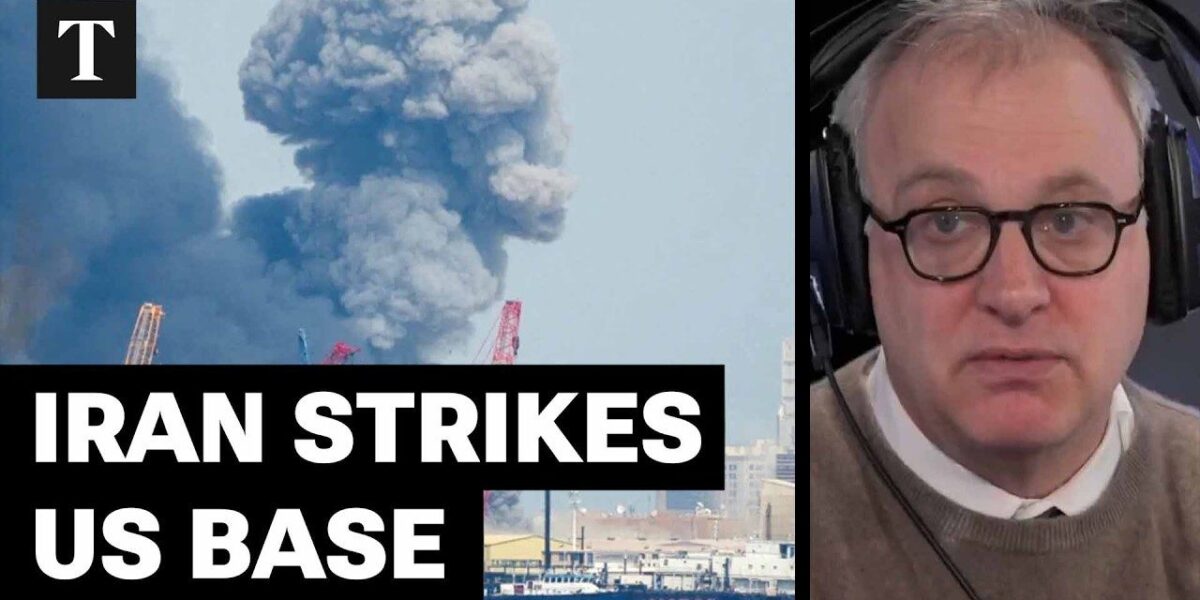
Iran Responds to Regional Tensions with Strikes on US Military Facilities
In a significant escalation of regional tensions, Iran has launched retaliatory strikes targeting US military bases across the Middle East. This move signals a clear departure from previous restraint, with reports suggesting a shift in strategy within the Iranian theocracy, potentially empowering hardliners who advocate for a more forceful response. The strikes, which have reportedly hit bases in Qatar, the UAE, Bahrain, and Saudi Arabia, come amid mounting concerns over the potential for a wider regional conflict.
Analysis: A Calculated Response to Perceived Weakness
Ben Taylor, editor of the Sunday Times, speaking on Times Radio, characterized Iran’s actions as a direct response to a perceived lack of forceful retaliation in the past. “There was a debate, we’re told within the theocracy last year, that they didn’t fight back hard enough and it could be that the hardliners are winning and that they are going to inflict pain on US allies or Western allies in the region,” Taylor explained. The objective, he suggests, is to pressure allies such as Saudi Arabia to engage with the US and Israeli leadership, urging them to de-escalate the situation.
The strikes have immediate implications for key regional players, particularly Saudi Arabia. As a vital US and UK military hub, its involvement in any escalating conflict would dramatically broaden the scope of hostilities. “Saudi Arabia starts to make you really think, you know, about how big this could get and how the Saudis will want this to stop as soon as possible,” Taylor noted, highlighting the kingdom’s aversion to such disruptions despite its adversarial relationship with Iran.
Straits of Hormuz: A Critical Economic Chokepoint
A significant concern arising from the heightened tensions is the potential impact on the Straits of Hormuz, a crucial global shipping lane through which a substantial portion of the world’s oil passes. The possibility of the strait being shut down raises profound economic questions for businesses and consumers worldwide. The Sunday Times, like other news organizations, is actively seeking to analyze the implications and explore alternative routes in the event of a disruption.
Challenges in Reporting from Iran
Obtaining accurate and timely information from within Iran remains a significant challenge for international media. Taylor detailed the difficulties faced by journalists, including denied visa applications, even for established correspondents like Christina Lamb. “We’re not allowed in there,” he stated. Consequently, news outlets are relying on a network of diaspora contacts and potentially satellite communication technologies, such as Starlink, to gather information from families and individuals inside Iran and relay it to the outside world.
UK’s Stance and Military Preparedness
The UK government has reiterated its commitment to preventing Iran from developing nuclear weapons and expressed its priority for the safety of UK nationals in the region. A government spokesperson stated, “Our immediate priority is the safety of UK nationals in the region and we will provide them with consular assistance available 24/7… We stand ready to protect our interests. We do not want to see further escalation into a wider regional conflict.” The UK confirmed it did not participate in the recent strikes but maintains defensive capabilities in the region, including bases in Cyprus and operations in the Gulf. Ben Taylor noted that this aligns with US foreign policy objectives, emphasizing a strong strategic partnership despite perceptions of US policy volatility.
Broader Regional Context: The Long Tail of October 7th
The current escalation is being viewed as a potential final push in a prolonged period of regional instability originating from the October 7th attacks. According to Samir, a correspondent for The Times, the conflict has evolved from the war in Gaza against Hamas to operations against Hezbollah in Lebanon, and now appears to be targeting the Iranian regime itself. This perspective suggests a coordinated effort by the US and Israel, driven by Iran’s stated aim to eliminate Israel.
There is also a palpable fear within the region that Iran, influenced by the perceived underutilization of Hezbollah’s arsenal, might feel compelled to deploy its full military capabilities preemptively. “There is a danger that in Iran they will just think that if we don’t use all of our firepower then we could just be bombed to oblivion,” Samir warned, acknowledging the speculative nature of this assessment but underscoring the gravity of the situation.
Looking Ahead: A Protracted Period of Uncertainty
The current situation points towards a potentially protracted period of heightened tension and uncertainty in the Middle East. While the immediate focus is on the direct strikes and their immediate aftermath, the long-term ramifications for regional peace and stability remain a significant concern. The coming days will be critical in determining the trajectory of this escalating conflict and its ultimate impact on global security and economics.
Source: Iran Strikes US Military Base: ‘It’s Not Taking This Lying Down’ | Ben Taylor (YouTube)

Related Articles
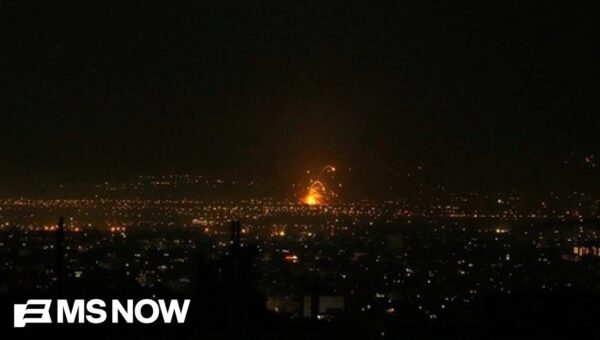
Trump’s Shifting Iran Stance: From Dealmaker to War Talk
President Trump's rhetoric on Iran has undergone a significant shift, contrasting his past calls for diplomacy with recent threats of military action. This shift follows a period of escalating tensions, withdrawal from the Iran nuclear deal, and renewed indirect negotiations.

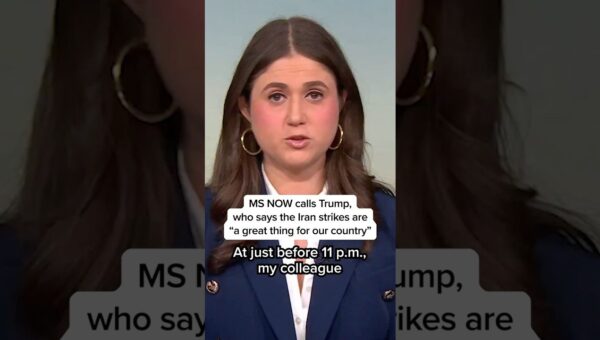
Trump Hails Iran Strikes as ‘Great Thing for Our Country’
President Donald Trump described the recent strikes in Iran that killed the country's supreme leader as "a great thing for our country." In a call with MS NOW, Trump also called celebrations in both Iran and the U.S. "fantastic."
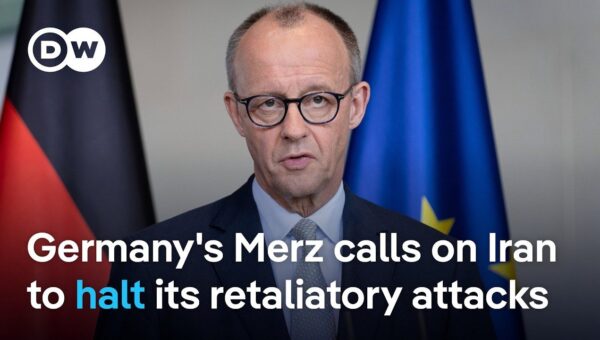
Germany on US-Israel Strikes: No “Lecturing” Partners
Germany's Chancellor Scholz calls on Iran to end its attacks and nuclear program but refrains from "lecturing" US-Israel on international law regarding recent strikes. Berlin increases security for Jewish institutions amid fears of retaliation.