Iran Strikes US Base: Are We Learning from Mistakes?
A recent Iranian drone and missile attack wounded American service members and damaged aircraft in Saudi Arabia. This incident highlights concerns about military preparedness and the failure to learn from past mistakes, as exposed aircraft remain vulnerable targets. The ongoing conflict involves complex regional dynamics, including Iran's missile capabilities and the potential involvement of groups like the Houthis, raising questions about future stability.

Iran Strikes US Base: Are We Learning from Mistakes?
A recent Iranian attack on Saudi Arabia’s Prince Sultan Air Base has wounded 10 American service members. The strike, which involved drones and missiles, also damaged U.S. refueling aircraft and other equipment. This event raises serious questions about military preparedness and the lessons learned from past conflicts.
A Vulnerable Target
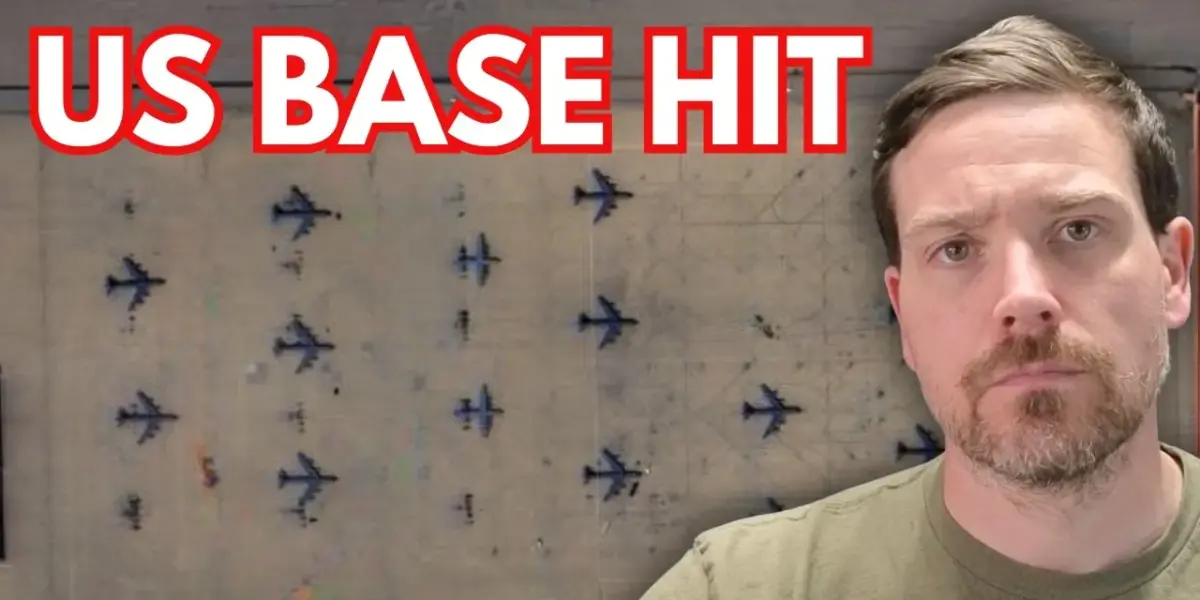
The attack hit a sensitive location, showing that Iranian munitions bypassed U.S. and Saudi air defenses. Satellite images, though not perfect, suggest damage to several KC-135 refueling aircraft. Open-source intelligence also pointed to fires within the base after the strike. This incident is particularly frustrating for those who have watched similar events unfold in Ukraine for years without apparent change in U.S. strategy.
“What are we doing parking aircraft open on the tarmac inside of the enemy drone and missile range?” – [Source: Video Transcript]
The question hangs heavy: why are valuable aircraft left exposed on tarmacs, making them easy targets? It’s a tactic that has been criticized when used by other nations, yet U.S. forces appear to be repeating the same mistakes. Even simple measures like camouflage nets or temporary coverings could offer some protection, but even those seem to be lacking.
Lessons Unlearned
For over four years, the vulnerability of exposed aircraft has been evident. Yet, U.S. forces seem to have learned little. Aircraft parked in the open are incredibly vulnerable to relatively inexpensive threats, like a $20,000 drone. The damage inflicted can take aircraft out of operation for weeks, months, or even years. The current conflict, though only weeks old, has already seen Iranian drones and missiles targeting U.S. bases daily.
Iran’s Arsenal and Ambitions
Reports suggest that Iran still possesses a significant number of drones and missiles. While the U.S. has targeted some of Iran’s missile stockpiles, it’s difficult to know the exact number remaining, especially those hidden in underground tunnels and bunkers. Assessing enemy weapon capabilities has proven challenging in recent conflicts, as seen with Russia’s missile reserves in Ukraine.
Iran’s strategy appears to involve deep underground facilities, making it hard to gauge their true offensive capacity. The nation is clearly preparing for conflict, potentially with the U.S. and Israel in mind. Their underground infrastructure likely includes multiple entry and exit points, making complete destruction difficult.
Escalation and Retaliation
While the focus is on Iranian attacks, Israel has also been active, striking Iran’s largest steel factories and facilities linked to its nuclear program. These strikes are intended to inflict significant economic damage and disrupt Iran’s industrial capacity. The U.S. has generally avoided targeting such sites, concerned about destabilizing Iran further.
Iran’s foreign minister has vowed retaliation for these Israeli strikes, accusing Israel of acting in coordination with the U.S. This exchange highlights the ongoing cycle of escalation. Despite diplomatic efforts and deadlines, tensions remain high, with key shipping routes like the Strait of Hormuz still closed.
The Houthi Wildcard
A significant unknown in this conflict is the role of the Houthies in Yemen. They possess the ability to disrupt shipping through the Bab el-Mandeb Strait, a crucial chokepoint. If this route were closed, in addition to the Strait of Hormuz, it would severely impact global trade and the Middle East’s economy.
The Houthis have indicated they might intervene under certain conditions: if another country joins the U.S. and Israel against Iran, or if the Red Sea is used for hostile actions against Iran or any Muslim country. Their potential involvement adds another layer of complexity and risk to the already volatile situation.
Why This Matters
The recent attacks underscore critical issues in military strategy and preparedness. The failure to protect vital assets like aircraft from known threats is a serious concern. It suggests a gap between recognizing threats and implementing effective countermeasures. The ongoing conflict in the Middle East, with its complex web of actors and shifting alliances, demands constant vigilance and adaptation.
Understanding the true extent of Iran’s missile capabilities and the potential for escalation involving regional players like the Houthis is crucial for U.S. foreign policy and defense planning. The economic and strategic implications of disrupted shipping routes are immense, affecting global markets and international relations.
Future Outlook
The diplomatic path forward appears challenging, with both sides presenting maximalist demands. The U.S. seeks to curb Iran’s nuclear program and regional influence, while Iran demands U.S. withdrawal from the region. Without significant concessions or a breakthrough in negotiations, the conflict is likely to continue.
The potential for wider regional conflict remains high. The Houthi threat to shipping, coupled with ongoing strikes and counter-strikes, creates a volatile environment. The effectiveness of current U.S. and Israeli strategies in deterring Iran and its proxies is yet to be fully determined. The coming weeks and months will be critical in shaping the future of this conflict and its impact on global stability.
Source: Iranian Missile Strike Hits US Base – Multiple American Casualties (YouTube)

Related Articles


Iran’s Capabilities Destroyed, Stocks to Soar: Analyst
Geopolitical analysis suggests Iran's military capabilities are nearing destruction, paving the way for U.S. control of the Strait of Hormuz. This resolution is expected to lower oil prices and significantly boost the stock market, according to market watchers.


Trump Flirts With Host, Dodges Iran Human Rights Question
During an interview, Donald Trump deflected a question about the human rights situation in Iran. Instead of answering, he reminisced about a past lunch and complimented the interviewer's appearance. This exchange highlights a trend in political communication where personal interactions can overshadow serious global issues.


Gov’t Shutdown Grips Nation as Markets Plunge
The U.S. government shutdown continues, causing historic airport delays and deepening political gridlock as lawmakers reject compromise deals. Meanwhile, Wall Street experienced a sharp sell-off, with the Dow entering correction territory amid rising global oil prices and escalating tensions with Iran over control of the Strait of Hormuz.