Iran Strikes: Tehran Oil Depot Hit in Airstrikes
Airstrikes, reportedly involving the United States and Israel, have struck targets in Iran, including a significant oil depot in the capital, Tehran. Israel has confirmed targeting fuel storage facilities, marking a serious escalation in regional tensions. The incident raises concerns about economic impact and potential retaliation.

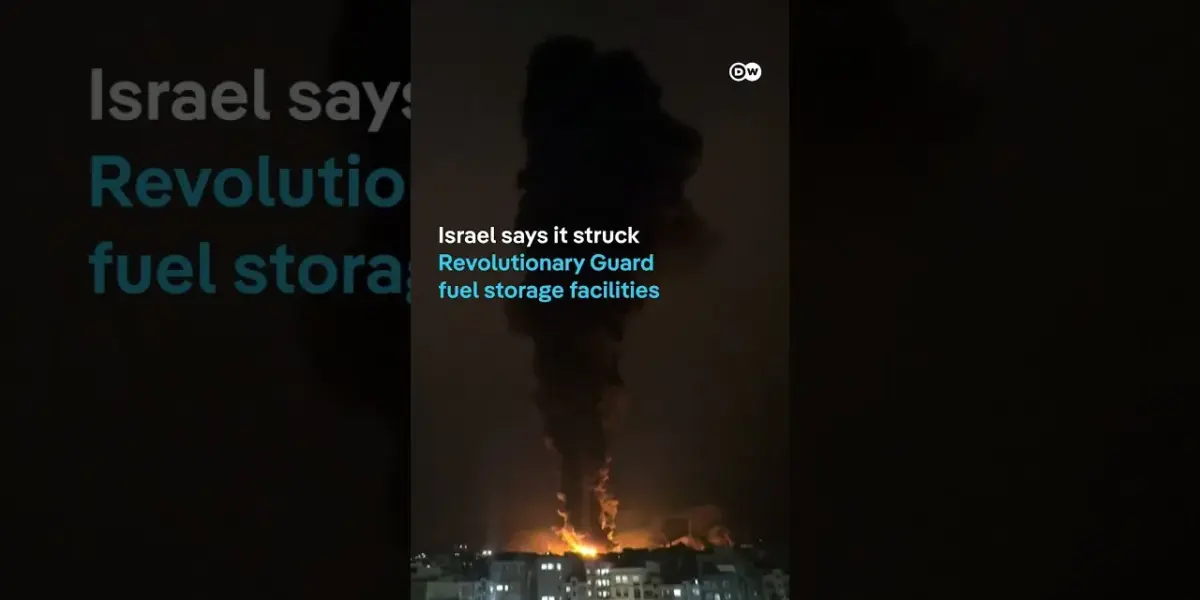
Iran Hit by Airstrikes Targeting Tehran Oil Depot
Tehran, Iran – Saturday saw a significant escalation in regional tensions as Iranian state media reported that airstrikes, attributed to the United States and Israel, struck targets within Iran, including a major oil depot in the capital. Israel has since confirmed its involvement, stating that fuel storage facilities in Tehran were targeted. The precise timing and scale of the strikes, along with the immediate aftermath, are still being assessed, but the incident marks a serious development in an already volatile geopolitical landscape.
Confirmation and Initial Reports
Iranian state media was the first to break the news of the attacks on Saturday, describing strikes that hit various locations across the country. The focus, however, quickly turned to the capital, Tehran, where an oil depot became a primary target. This specific targeting of a vital energy infrastructure facility in the heart of the capital has raised significant concerns about the potential for wider conflict and the strategic objectives behind the operation.
Following the initial reports from Iranian sources, Israel acknowledged its role in the strikes. While details remain scarce, the confirmation from Israeli officials indicates a deliberate and coordinated action aimed at specific infrastructure. The implications of such a direct strike within Iran’s borders, especially on a facility like an oil depot, are far-reaching, potentially triggering retaliatory measures and further destabilizing the region.
Strategic Implications of Targeting Oil Facilities
The decision to target an oil depot in Tehran is a strategically significant move. Oil infrastructure is critical to any nation’s economy and daily functioning. Disrupting or damaging such facilities can have immediate and long-term economic consequences, impacting fuel supply, transportation, and overall industrial output. For Iran, a country heavily reliant on oil revenue, attacks on its energy sector represent a direct assault on its economic lifeline.
Furthermore, the location of the strike in the capital itself signifies a bold move, demonstrating a capability and willingness to project force closer to the centers of power. This contrasts with strikes that might occur in more remote or border regions. The psychological impact of such an attack within Tehran, a city that has largely been spared direct military action in recent decades, cannot be understated. It signals a new phase of engagement, potentially aimed at pressuring the Iranian regime through economic and symbolic means.
Broader Geopolitical Context
These airstrikes occur against a backdrop of heightened regional tensions, particularly concerning Iran’s nuclear program and its alleged support for various militant groups across the Middle East. The ongoing conflict in Gaza and the wider proxy wars involving Iran have created a complex web of alliances and enmities. Both the United States and Israel have repeatedly expressed concerns over Iran’s regional activities and its pursuit of nuclear capabilities.
The timing of these strikes, coupled with the confirmation from Israel, suggests a calculated response to perceived threats or provocations. While specific justifications for this particular operation have not been fully detailed, it is likely linked to the broader strategic calculus of preventing Iran from advancing its nuclear ambitions or further entrenching its influence in the region. The international community will be closely watching the reactions from Iran and its allies, as well as the responses from the US and Israel, to gauge the potential for escalation.
Potential for Retaliation and Escalation
The immediate question following such an attack is the likelihood and nature of a retaliatory response from Iran. Historically, Iran has responded to direct attacks with asymmetric warfare, cyberattacks, or by leveraging its network of proxy groups in the region. A direct military response against Israel or US interests is possible, though likely to be carefully calibrated to avoid all-out war. The targeting of an oil depot could also prompt Iran to consider actions that disrupt global oil markets, a move that would have significant international economic repercussions.
The involvement of both the US and Israel raises the stakes considerably. It suggests a unified front against specific Iranian actions or capabilities. However, it also presents a more significant target for any retaliatory actions Iran might consider. The coming days and weeks will be crucial in determining whether this incident leads to a further cycle of escalation or if diplomatic channels can be employed to de-escalate the situation.
Looking Ahead
The airstrikes on the Tehran oil depot represent a critical juncture in the ongoing tensions between Iran and its adversaries. The world will be watching closely for Iran’s official response, any further actions by the US and Israel, and the broader implications for regional stability and global energy markets. The potential for miscalculation remains high, making diplomatic engagement and careful de-escalation efforts paramount in the immediate future.
Source: Iran war: Moment airstrikes hit Tehran oil depot | DW News (YouTube)

Related Articles


Ukraine Frees Captives, Russia Warns of New Threats
Ukraine successfully repatriated 300 citizens from Russian captivity while President Zelenskyy warned of an impending Russian spring offensive. Meanwhile, Russia issued a nuclear threat to Finland, and a Russian soldier's wife appealed for urgent support amid financial hardship.


Trump Honors Fallen Soldiers Killed in Iran Drone Attack
President Donald Trump honored six U.S. soldiers killed in an Iranian drone attack during a solemn ceremony at Dover Air Force Base. The event followed a day of the president projecting strength on military options against Iran and engaging with Latin American leaders.


Trump Escalates Iran Conflict, Warns of ‘Complete Destruction’
President Trump escalates military action against Iran, warning of "complete destruction" amidst rising global tensions and economic impacts. The conflict sees intensified strikes, a rejection of surrender demands, and the potential deployment of U.S. troops. Meanwhile, deadly tornadoes hit the U.S. Midwest, and economic ripples are felt globally with soaring oil prices.