Iran Strikes Target Infrastructure: Gulf States Fear Escalation
Iran's retaliatory strikes on critical infrastructure, including a Kuwaiti desalination plant, have heightened fears across Gulf states. Expert Kaman Matin explains Iran's strategy of targeting civilian and economic assets in response to attacks, while Gulf nations brace for potential escalation. The situation remains tense, with diplomatic efforts struggling to find a path to de-escalation.

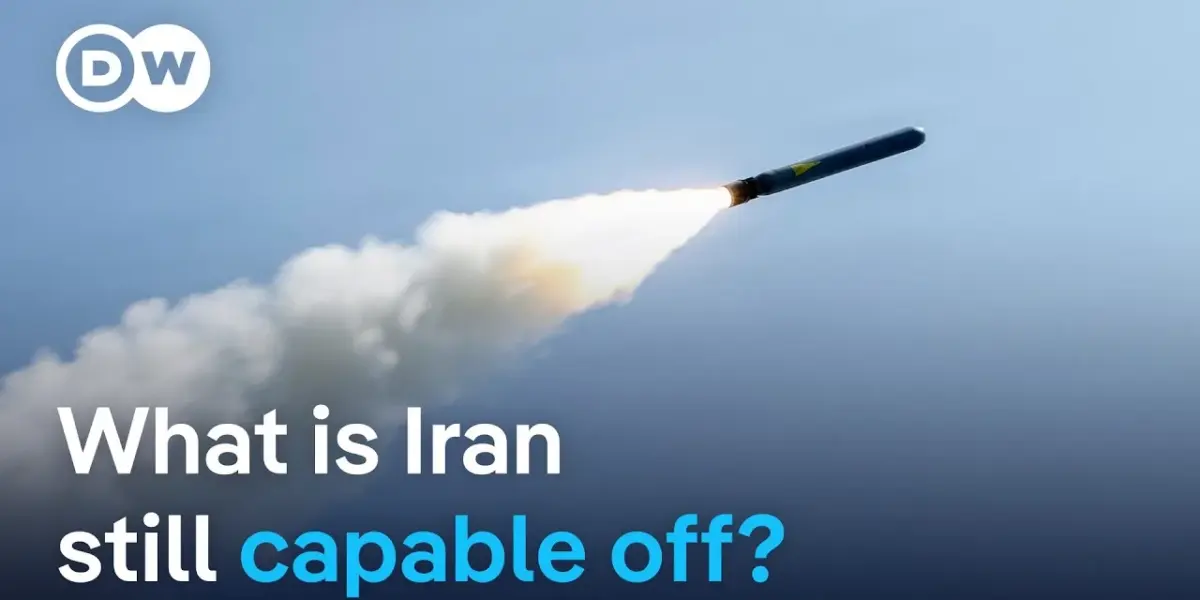
Iran’s Defiant Response Sparks Infrastructure Fears
Iran has launched retaliatory strikes against critical infrastructure in the region, targeting a desalination plant and a refinery in Kuwait. This move follows US strikes and signals Iran’s intent to continue attacks on US and Israeli water and energy assets. An Iran expert suggests this pattern indicates a response to any attacks on Iran’s own civilian infrastructure.
Expert Analysis: Retaliation and Escalation
Kaman Matin, an Iran expert from the University of Sussex, explained Iran’s strategy. “Iran has maintained from the beginning of this war that it would retaliate at the same level against any attacks on its military or economic and civilian infrastructure,” Matin stated. He noted that Iran’s targeting of places like a bridge linking Karaj and Tehran seems to be a direct response to similar attacks on its own facilities, including pharmaceutical companies like the Pasteur Institute.
Matin believes Iran will likely continue these retaliatory strikes. “All signs indicate Iran will continue to target those places in retaliation to any attack by US and Israel on similar targets in Iran,” he said.
Gulf States on High Alert
The prospect of Iran targeting key infrastructure in the Gulf has Gulf states extremely worried. Matin highlighted the potential devastation. “Water desalination facilities in particular can have a devastating impact on the civilian population in those states,” he explained. He also pointed out Iran’s attacks on data centers belonging to major Western companies like Amazon and Oracle, which could severely impact the economic stability of these nations.
Adding to the concern, Iran has used cluster ammunition in some attacks. While both sides claim their actions are in retaliation, the use of such weapons raises the stakes significantly.
Military Involvement Looms for Gulf States?
The possibility of Gulf states being drawn into the conflict militarily increases if Iran continues to target infrastructure. Reports suggest Gulf nations have drafted a UN Security Council resolution demanding the Strait of Hormuz be opened. However, China and Russia have opposed this draft, indicating a complex geopolitical situation.
“GCC countries are very worried and they might be forced into action if the war continues and Iran keeps targeting those infrastructure and US is unable to provide the kind of protection these countries thought it could,” Matin commented.
Iran’s Remaining Firepower
Assessing Iran’s military capabilities, Matin noted that even Western intelligence suggests Iran retains over 50% of its drone capacity. The country also appears to possess a considerable number of ballistic missiles, often fired from underground positions, making them harder to attack.
Path to De-escalation Unclear
Matin suggested that both sides still have room to escalate further before seeking a resolution. “There are still quite few escalatory steps that both sides can take before they reach the point that they realize they can’t escalate anymore,” he said. This suggests a period of continued tension before any potential ceasefire or agreement.
Former Minister’s Peace Overture
A statement from former Iranian Foreign Minister Mohammad Javad Zarif, calling for an end to the suffering, has been met with cautious analysis. Matin, who commented on Zarif’s article, noted that Zarif belongs to a reformist camp. He questioned how much influence such statements hold now that the IRGC has a strong informal hold on the state.
Matin expressed doubt that the US, under the current administration, could easily accept Zarif’s proposed terms for peace. These terms reportedly include low-level uranium enrichment, reopening the Strait of Hormuz, a non-aggression pact, and the lifting of all sanctions. Accepting such terms now could make the current administration appear weak, especially after the conflict’s costs.
“I think as I mentioned earlier that probably US will still try to escalate a bit more… before potentially for some sort of limited ground operation,” Matin predicted.
Strait of Hormuz: A Diplomatic Chessboard
Regarding efforts to force Iran to reopen the Strait of Hormuz, Matin is doubtful about military action from the UK and other European countries. He believes they are seeking arrangements with Iran, with French authorities emphasizing Iran’s involvement in any conversation.
Currently, individual countries appear to be making separate arrangements with Iran, paying what Matin described as “ransom” for their ships to pass. This situation is strategically problematic, as it could be seen as formalizing Iran’s control over what is considered international waters. Matin is unsure how effective European initiatives will be without military force, though they might offer more covert military assistance to the US.
Source: How worried are Gulf states about Iran focussing on attacking key critical infrastructure? | DW News (YouTube)

Related Articles

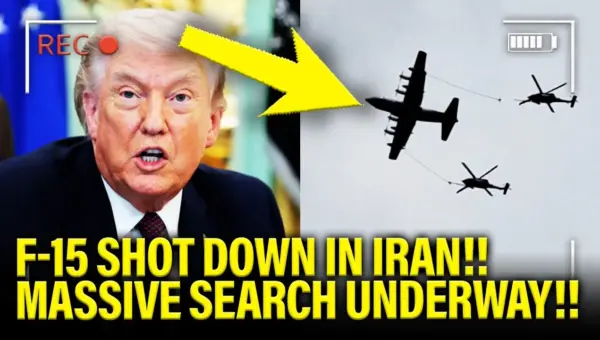
Iran Downs US Jet, Exposing Global Power Shifts
An F-15E jet shot down over Iran sparks a rescue mission and highlights global power shifts. Allies question U.S. predictability while domestic debates rage over military spending. This incident underscores complex regional tensions and evolving international dynamics.
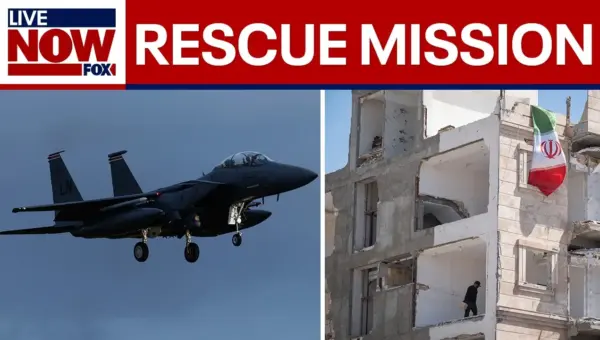
US Jet Downed in Iran: One Pilot Rescued, Search Continues
A US F-15 fighter jet has crashed in Iran, leading to a large-scale rescue operation. One pilot has been rescued, but an intense search continues for a second crew member. The incident occurred in a challenging mountainous region, and the cause of the crash is still under investigation.

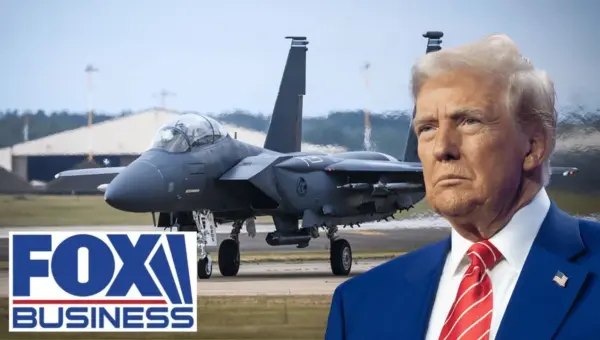
US Fighter Jet Downed Over Iran Amid Regional Tensions
A U.S. F-15 fighter jet crashed in Iran, prompting an ongoing search and rescue mission. The cause remains uncertain, with possibilities including mechanical failure or being shot down by Iranian forces. The incident raises concerns about escalating regional tensions and impacts on global energy markets.